- Product Information
- Product Resources
- Enquire
- Related Products
OE design
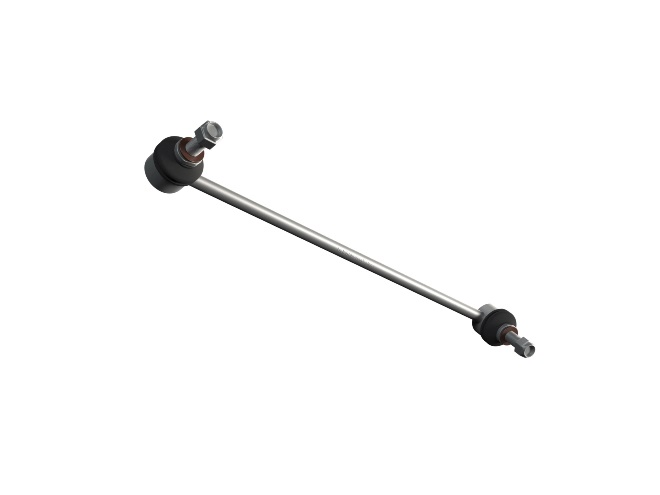
Delphi link stabilizers come in either steel, aluminium or reinforced plastic as per the OE. The lightweight property of our plastic link stabilizers , helps to reduce weight and dampen vibrations, whereas the corrosion-resistant steel makes for a stronger, longer-lasting part. Whichever material you fit, you can be assured it’s been manufactured to the very latest OE specifications.
Engineered for a stronger, durable part
.jpg?sfvrsn=e723e13c_7)
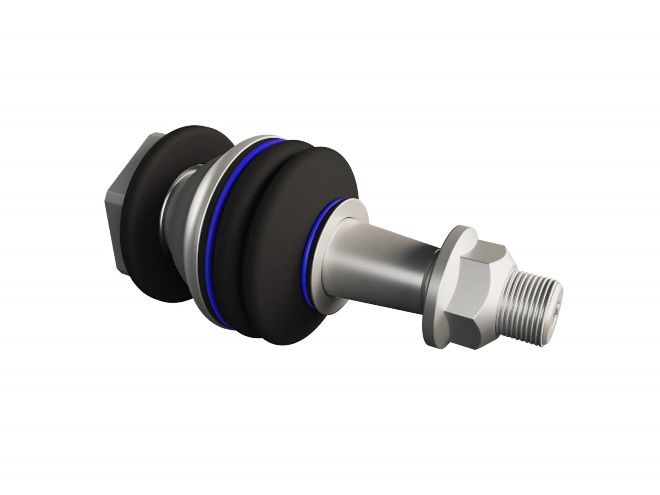
Because they’re subject to extremely high stresses, Delphi link stabilizers feature a larger, surface-hardened steel ball pin, wear-resistant plastic clip-on socket, reinforced link rod and a temperature-resistant, high-performance grease. Together they offer improve load carrying capacity and service life.
Added protection

Given their position, link stabilizers are particularly vulnerable to contamination from dirt and moisture. For reliable protection from this and more, we use sealed, high-grade rubber boots on all our link stabilizers. We also apply an environmentally friendly, water-based cataphoretic coating providing up to 10 years’ corrosion protection.
Rigorous testing
Link stabilizers are subject to massive shock loading, so we conduct tensile strength testing to validate both the product housing and welding strength - applying force through the centre of the housing until breakage occurs. Importantly this is never sooner than the OE.
Three-year warranty – available in UK

Our meticulous approach to product development and testing means you can fit Delphi link stabilizers with confidence. But for added peace of mind, they also come with an extended three-year or 36,000-mile warranty.
The Delphi Difference
-
100 years of OE experience, supplier to the world’s top automakers
-
OE heritage and knowledge built into every aftermarket part
-
Comprehensive portfolio for a wide range of vehicles and model years
-
Streamlined SKUs for easy inventory management
-
Support through tools, tips and training

Related product resources and downloads
Resource Highlights
We all want a smooth ride when driving, and an air suspension system offers many benefits for reducing noise, vibration and discomfort. Like many in-vehicle systems, calibration is needed from time to time, especially when a part is replaced.
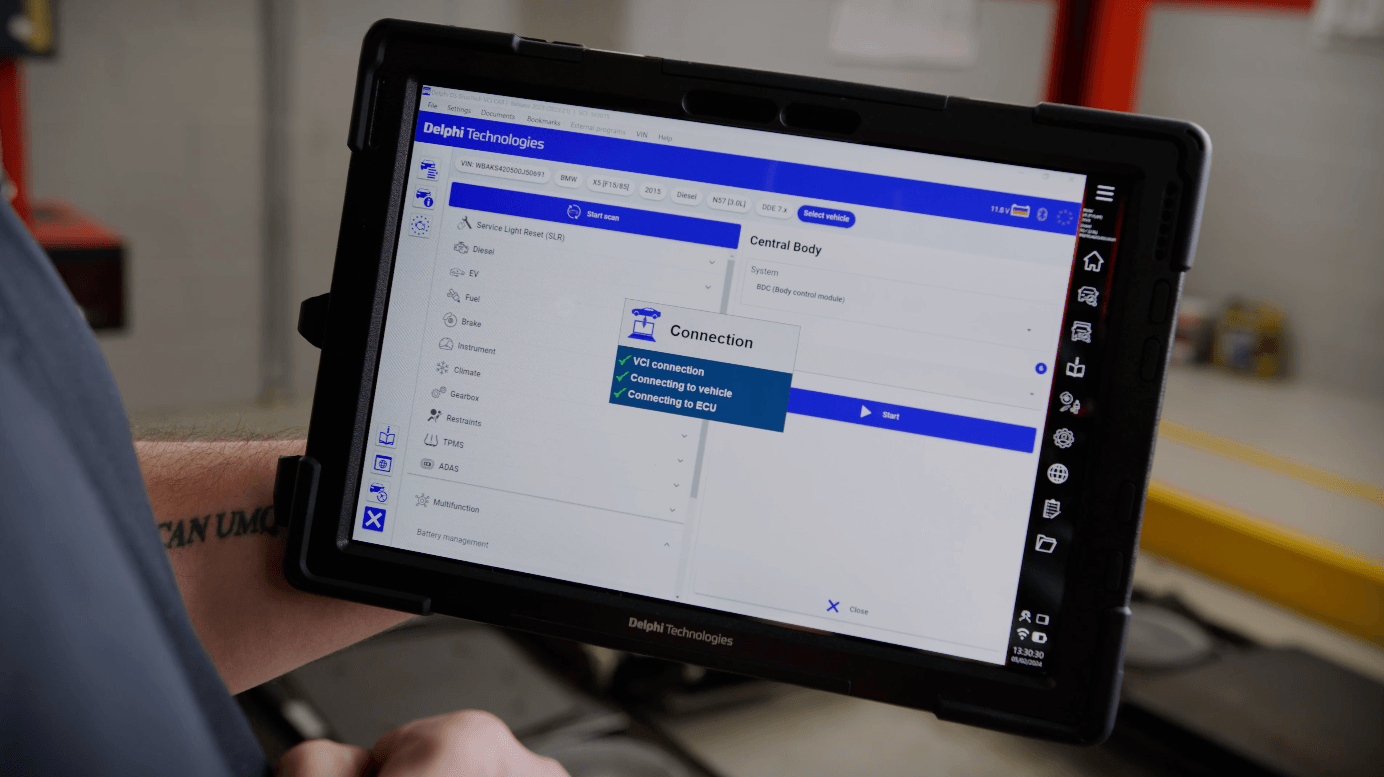
Watch the video below to follow our Delphi expert as he takes you through the steps needed to calibrate the air suspension on a BMW X5.
Although the procedure is fairly straightforward, there are some essential ‘watch-outs’ which we cover in the video, including:
• A vehicle having full or part air suspension
• The difference between static and dynamic calibrations
• The vehicle status when running the calibration
Will the suspension system be the same for all four wheels?
Not necessarily. Some air suspension vehicles can have full air springs (front and rear), or have a mix of coil springs and air springs (one front, the other rear).
When do I need to perform a height calibration on the air suspension system?
The calibration would normally be performed after completing one of two jobs:
1. An air spring replacement
2. A damaged height sensor replacement
What’s the difference between a static calibration and a dynamic calibration?
Some vehicles will only require a static height calibration which can be completed in the workshop. However, some models will need a static calibration and then also a dynamic one, which is performed whilst the vehicle is being driven on the road.
Before I run the calibration, is there anything I need to do?
You need to ensure that after completing a replacement job on an air spring or height sensor, the air system of the vehicle is refilled. You do this by running the function ‘Filling the bellows’ using the Delphi BlueTech VCI diagnostic tool.
After that, head into the ‘Body control’ module. Go into ‘Adaptations and calibrations’ subsection and run the function ‘Height level adjustment.’
Why is it important to be out of the vehicle when running the calibration?
The vehicle’s load must not change during the calibration. So, if anyone was sat in the vehicle, any movement would adjust the vehicle’s height, disrupting the calibration. Follow manufacturers instructions, for example weighting the car correctly, ensuring it is on level ground with the steering wheel straight and the tyre pressure set correctly for the procedure to be successful with no inconsistencies.
Should I plug in an EV vehicle when calibrating the air suspension?
On an EV enabling ‘Ready’ mode or similar will ensure that the DCDC converter will support the low voltage battery. If this isn’t possible, it’s a good idea to ensure that you have battery support attached, so that there’s no drop in voltage during calibration.

Visit our Technician Library for access to Documents and Downloads
Get in touch
Find out where to buy Delphi parts