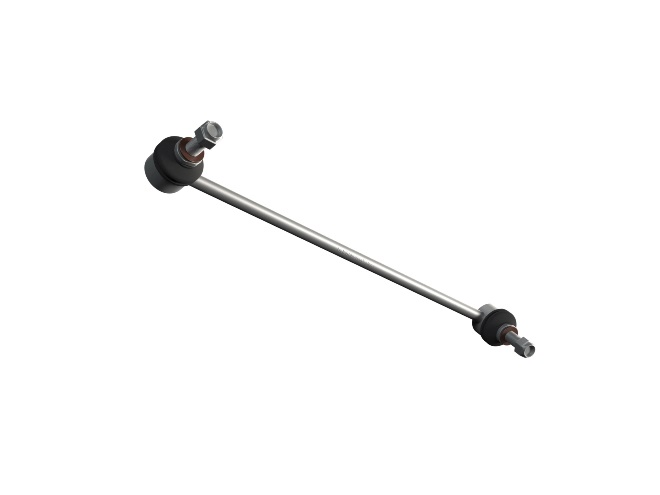
- Product Information
- Product Resources
- Enquire
- Related Products
OE design
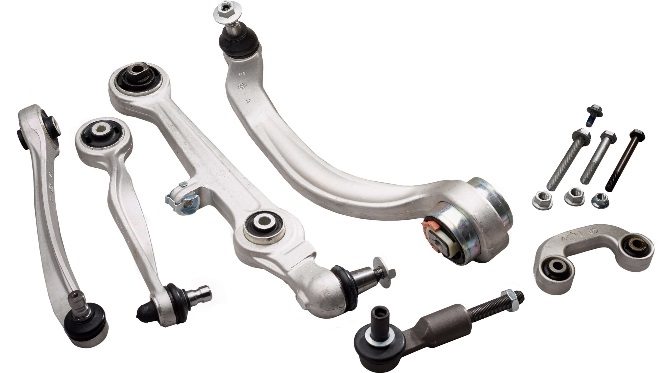
Delphi link stabilizers come in either steel, aluminium or reinforced plastic as per the OE. The lightweight property of our plastic link stabilizers , helps to reduce weight and dampen vibrations, whereas the corrosion-resistant steel makes for a stronger, longer-lasting part. Whichever material you fit, you can be assured it’s been manufactured to the very latest OE specifications.
Engineered for a stronger, durable part
.jpg?sfvrsn=e723e13c_7)
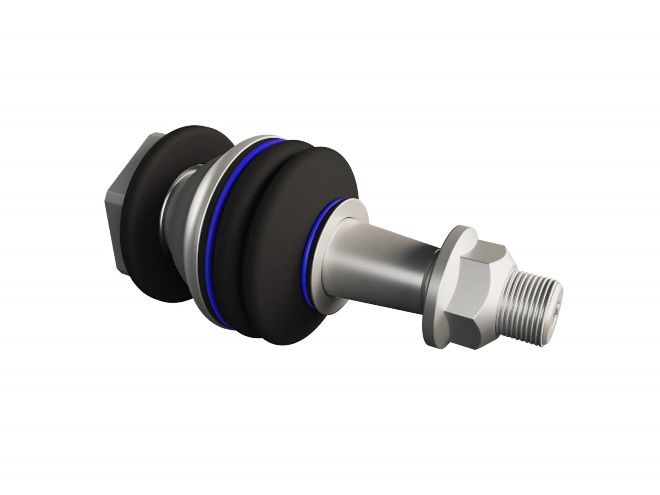
Because they’re subject to extremely high stresses, Delphi link stabilizers feature a larger, surface-hardened steel ball pin, wear-resistant plastic clip-on socket, reinforced link rod and a temperature-resistant, high-performance grease. Together they offer improve load carrying capacity and service life.
Added protection

Given their position, link stabilizers are particularly vulnerable to contamination from dirt and moisture. For reliable protection from this and more, we use sealed, high-grade rubber boots on all our link stabilizers. We also apply an environmentally friendly, water-based cataphoretic coating providing up to 10 years’ corrosion protection.
Rigorous testing
Link stabilizers are subject to massive shock loading, so we conduct tensile strength testing to validate both the product housing and welding strength - applying force through the centre of the housing until breakage occurs. Importantly this is never sooner than the OE.
Three-year warranty – available in UK

Our meticulous approach to product development and testing means you can fit Delphi link stabilizers with confidence. But for added peace of mind, they also come with an extended three-year or 36,000-mile warranty.
The Delphi Difference
-
100 years of OE experience, supplier to the world’s top automakers
-
OE heritage and knowledge built into every aftermarket part
-
Comprehensive portfolio for a wide range of vehicles and model years
-
Streamlined SKUs for easy inventory management
-
Support through tools, tips and training

Related product resources and downloads
Resource Highlights
Air suspension helps you achieve a smoother and consistent ride quality, reducing noise and road vibration. In general, air springs also suffer from less wear and tear when compared to conventional sprung suspension.
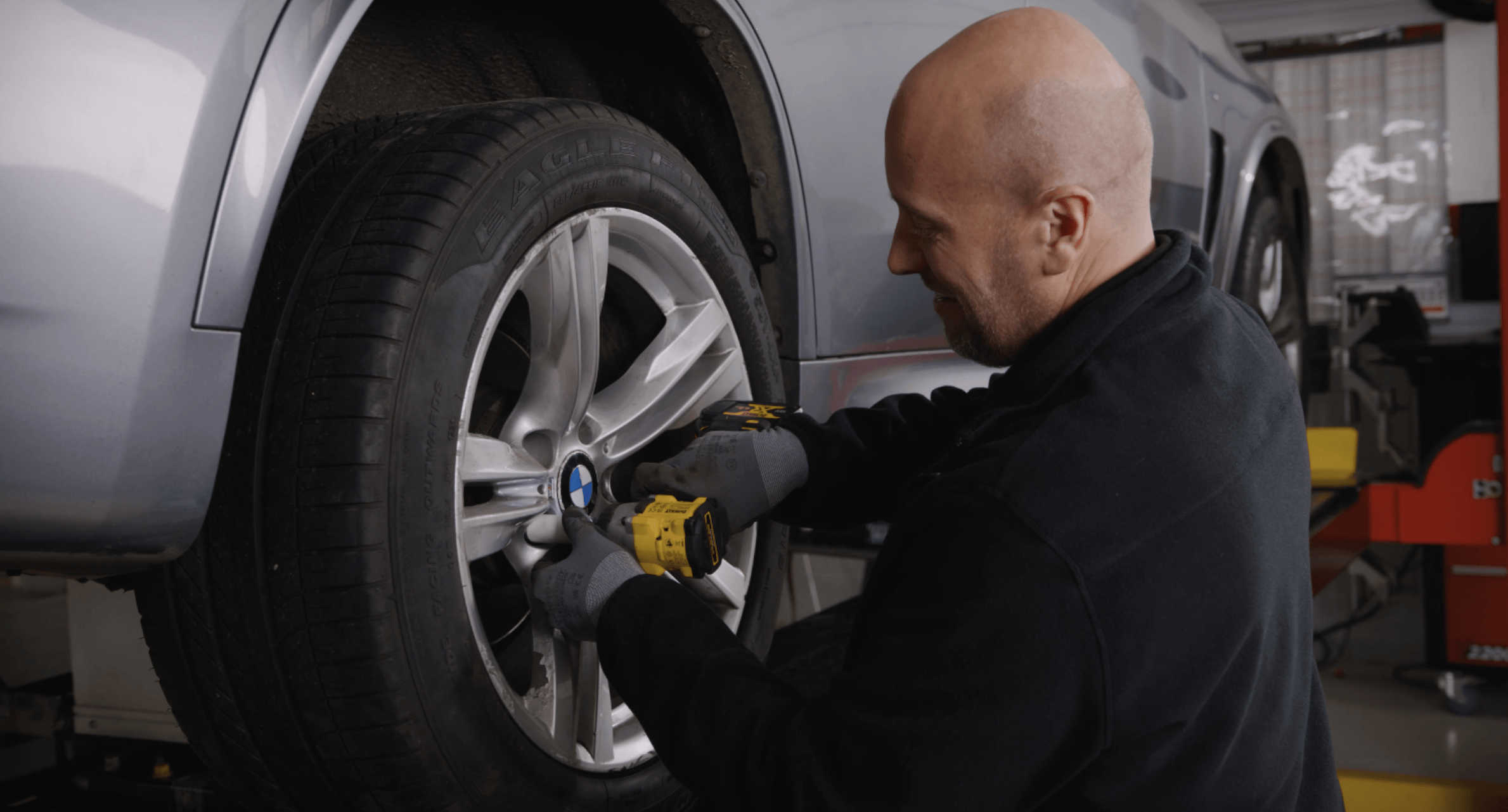
In this short video from the experts at Delphi, you’ll learn how to replace the air springs on a BMW X5 in a step-by-step process. We cover:
- Which diagnostic tool to use
- How to safely remove the air spring
- How to remove the air and refill the system
How many steps are involved in replacing the air springs?
Essentially there are two main steps. The first is to remove the air from the system and deflate the air springs. The second is to remove, replace and reinflate the system.
What’s the main differences between air springs and coil springs?
It’s widely thought that air springs improve the ride quality in your car as they offer more absorption on uneven or bumpy roads. Air springs also allow you to control the height of your vehicle, so should you regularly drive in an area with speed bumps, you can raise the suspension level up.
Does the car need to be suspended when carrying out the work?
Yes, you must suspend the vehicle when you’re replacing the air springs. The diagnostic tool should also remind you to do this.
After replacing and reinflating the air springs what do I need to do?

Visit our Technician Library for access to Documents and Downloads
Get in touch
Find out where to buy Delphi parts