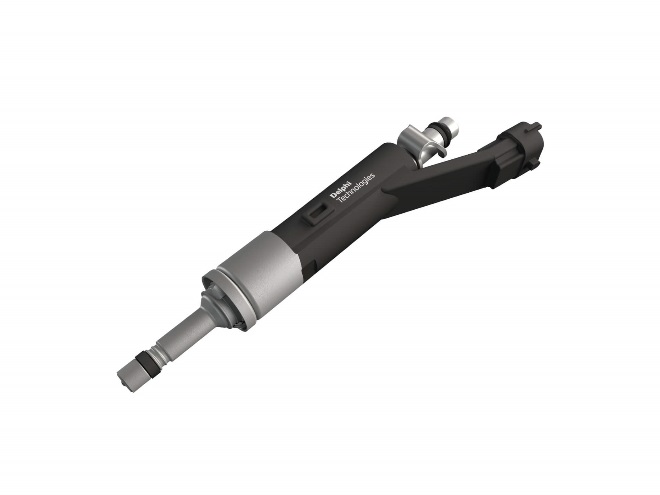
- Product Information
- Product Resources
- Enquire
- Related Products
Delphi OE technology innovations
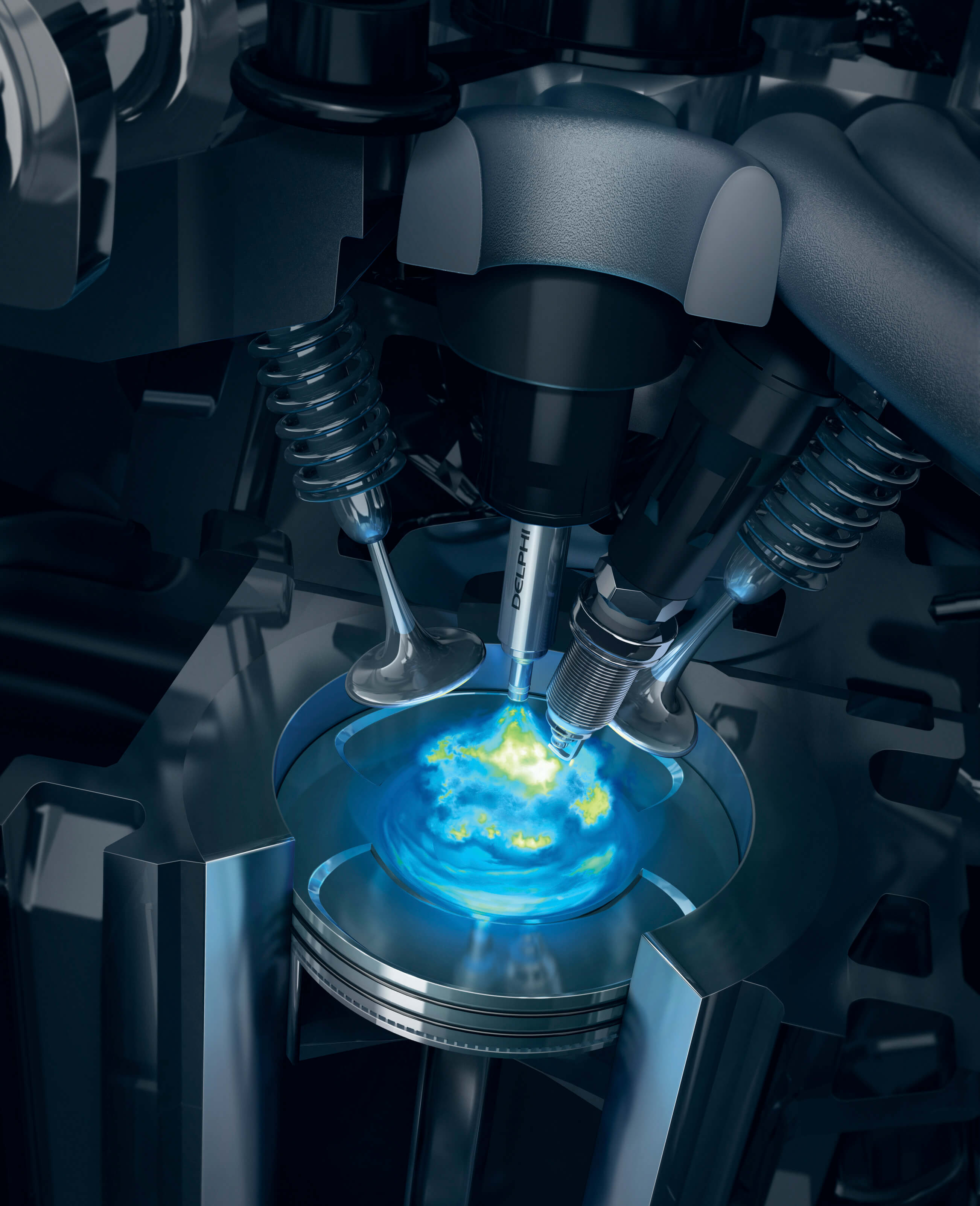
Our leading-edge 350 bar pressure gasoline direct injection system raises the bar, taking injection pressure from 200 to 350 bar. By injecting smaller droplets into the combustion chamber faster, the latest generation system delivers fewer hydrocarbons and particulate emissions – up to 70 percent - and increased fuel savings. And if that’s not enough, we’re already working on a 500 bar solution.
GDi maintenance
With the launch of the Hartridge Excalibur GDi Master, Delphi is now expanding its GDi service program offering in North America to include GDi and multiport gas fuel injector testing equipment. The Excalibur GDi Master is capable of providing up to 250 bar, and powerful flow and injection per minute rates allow it to test coil and piezo injectors of both GDi & PFI technology types.
GDi training from the OE experts
Delphi is a leading Tier 1 supplier GDi systems to global OEMs, and is committed to supporting the aftermarket with that OE experience and know-how. We offer multiple GDi specific training classes, an on-demand technician support hotline staffed by ASE certified technicians, and a full line of GDi high pressure fuel pumps. Contact us to learn how to sign up.
Visit Our Catalog
The Delphi Difference
-
100 years of OE experience, supplier to the world’s top automakers
-
OE heritage and knowledge built into every aftermarket part
-
Comprehensive portfolio for a wide range of vehicles and model years
-
Streamlined SKUs for easy inventory management
-
Support through tools, tips and training

Related product resources and downloads
Resource Highlights
In this article you will find out about how to test the alcohol content of gasoline. This can help you test whether your customer has been improperly using E85, or ethanol, in a vehicle not designed to run on alcohol-based fuels.
Here’s a safe, fast and easy way to check the alcohol content of gasoline using a graduated cylinder.
This can help you test whether your customer has been improperly using E85, or ethanol, in a vehicle not designed to run on alcohol-based fuels.
Safety First
Always put safety first. Be sure you are wearing safety glasses and gloves. Give yourself room to perform the test and have cleanup materials ready in case you spill any gas. And don’t smoke, don’t do the test near an open flame or anything else that may cause a spark. It’s a good idea to have a fire extinguisher on hand.
Graduated Cylinder
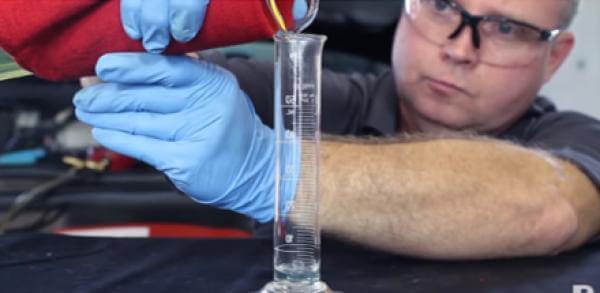
You’ll need a graduated cylinder — we suggest 50 milliliters, but you can use a larger one, too. You’ll also need a small amount of gas and water.
Pour Gas into the Cylinder
Pour 10 milliliters of gas into the cylinder. Then pour in two milliliters of water. Cover the cylinder and shake it for about one minute. Then let it stand for up to 15 minutes.
Leave for 15 Minutes
After about 15 minutes, you’ll see that the water sinks to the bottom. Take a reading where the water and alcohol separate. If there is no alcohol in the gasoline, you’ll see the separation at the two milliliter mark, which is the amount of water that you started with. If the separation line is above the two milliliter mark, you have alcohol in the gasoline.
Figure Out Alcohol Content
So let’s figure out how much alcohol — or the percentage. Just take the number of milliliters at the separation line and subtract two milliliters — which was the amount of water we added. Take the number you get and multiply it by 10, and that is the percentage of alcohol in the gasoline. If you find that the alcohol content of your customer’s gasoline is high, that may be a sign that your customer has been using ethanol.
Watch this video below for more information.

Visit our Technician Library for access to Documents and Downloads
Get in touch

Contact Us
Visit our Contact hub to find a range of enquiry types suited to help you find the exact support you are looking for.