- Product Information
- Product Resources
- Enquire
- Related Products
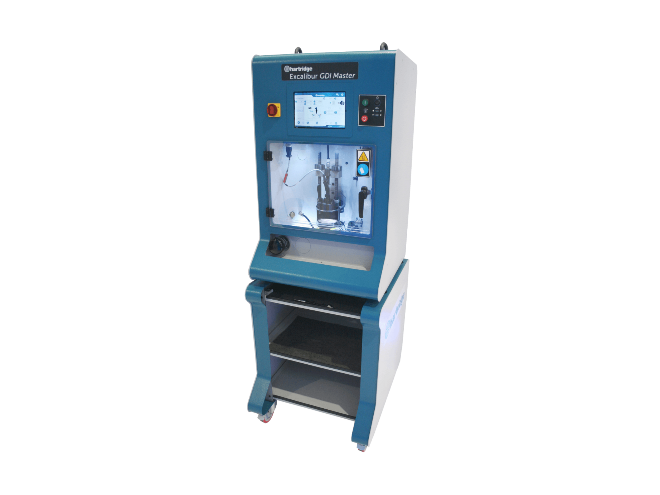
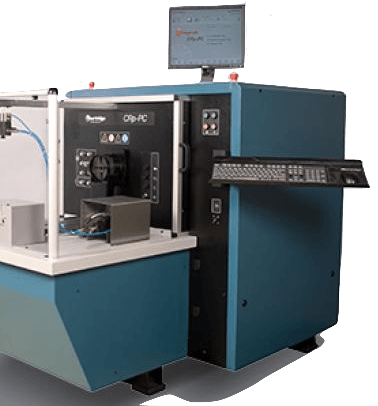
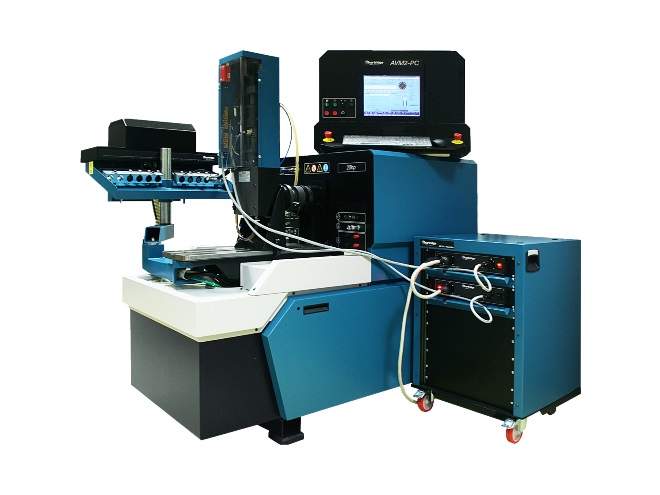
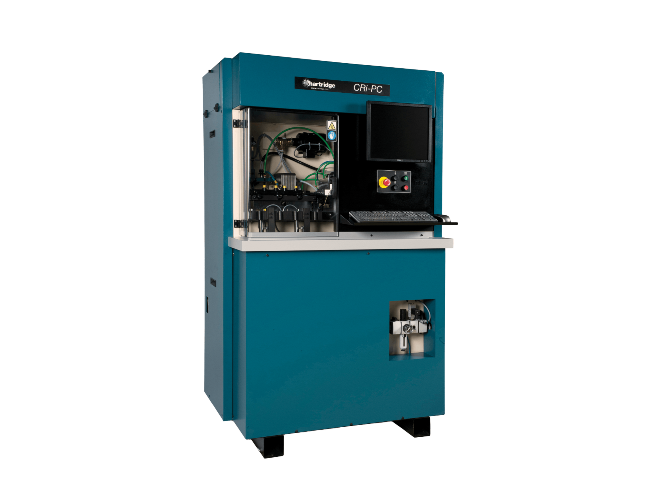
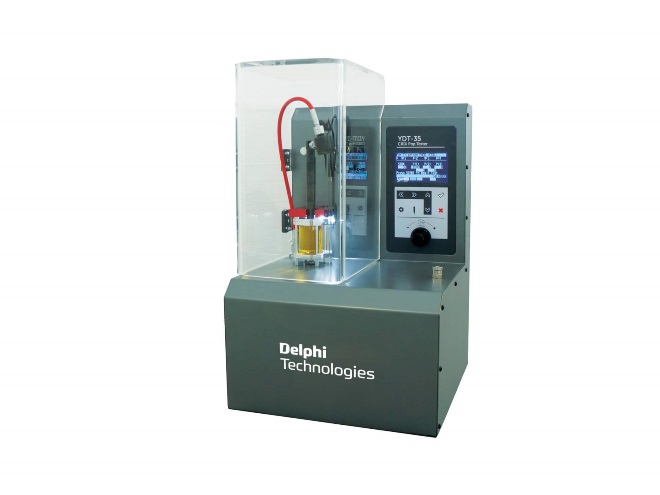
Excalibur GDi Master Key Features
-
All-Makes Coil & Piezo injector testing capability
-
Innovative spray pattern evaluation
-
Integrated back-flush function
-
Ideal for injector diagnostics & refurbishment
-
Easy operation; low-level operator knowledge needed
-
OE level high pressure and high flow rate test capability
-
Compact workshop footprint
Amazing Revenue Opportunities in Emerging GDI Market
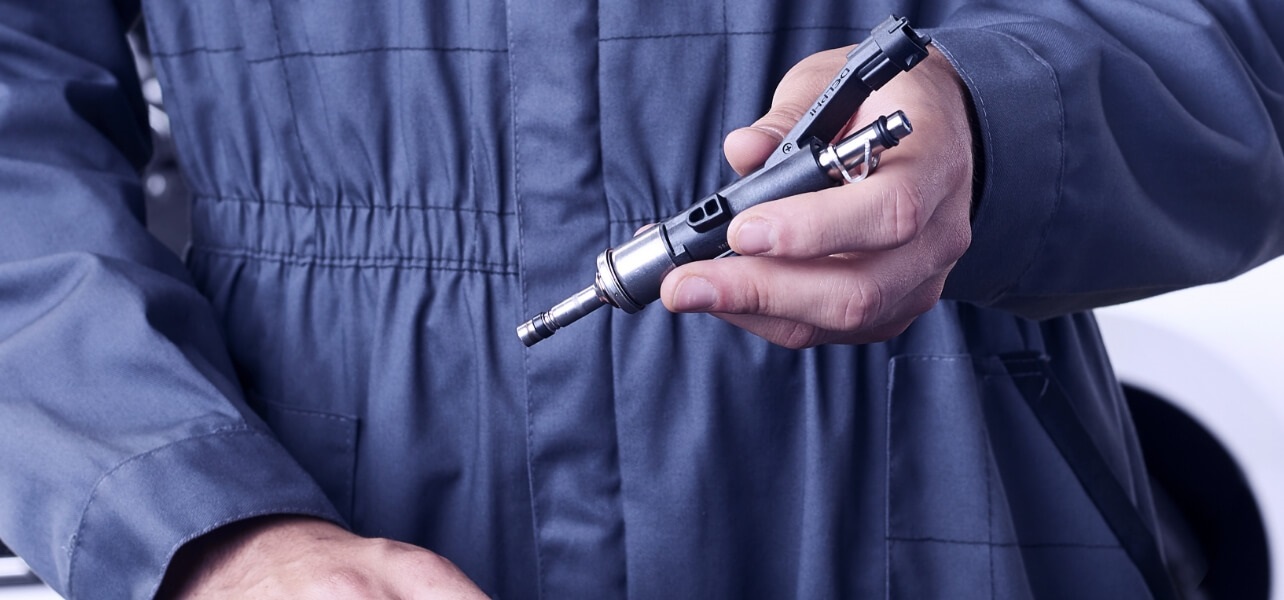
The Excalibur GDi Master offers a fast return on investment with high profit opportunities & low-cost entry requirements. The Excalibur GDi Master enables a workshop to get customer vehicles back on the road faster & with a low-cost alternative to new injector replacement.
The Excalibur’s unique functionality enables workshops to generate high levels of profit using an injector test-refurbishment-retest process. The plug-and-play nature of this compact machine mean a workshop can easily implement GDI and PFI testing and offer even more services to their customers.
The Delphi Difference
-
100 years of OE experience, supplier to the world’s top automakers
-
OE heritage and knowledge built into every aftermarket part
-
Comprehensive portfolio for a wide range of vehicles and model years
-
Streamlined SKUs for easy inventory management
-
Support through tools, tips and training

Related product resources and downloads
Resource Highlights
In this article, you will find out about how to test a fuel pump with scope testing.
Fuel pressure and volume tests are not always conclusive regarding the condition of the fuel pump. Some fuel pumps will pass these tests and yet cause an intermittent starting problem. This condition is typically the result of a worn commutator bar on the armature. If the pump motor stops at that particular spot when the engine is turned off, current will not flow between the brush and commutator the next time the pump is activated. In some cases, tapping the fuel tank may create enough of a vibration to get the pump working.
Using a lab scope is the best way to evaluate the condition of a fuel pump. Even slight inconsistencies will show up in a waveform that took milliseconds to record. By analyzing a fuel pump waveform, you can quickly identify problems that would otherwise go undetected using conventional pressure and volume tests. A good fuel pump waveform consists of a series of small uniform humps. Examining the current waveform of each commutator bar during a complete rotation of the fuel pump will give an accurate indication of the internal condition of the fuel pump. Any spikes indicate problems with the brushes and/or commutator segments.
The scope also displays the average current. It is normal for a fuel pump current to be higher when the pump is first energized and begins to push fuel, though the amperage should quickly drop and stabilize. Low current readings are indicative of electrical problems, such as brush and commutator wear, a poor ground, or high-resistance connections. Excessive fuel pump current indicates that the pump is being overloaded. This may be the result of a restricted fuel filter, a clogged strainer, or blocked return line. Check the appropriate service manual for fuel pump current specifications.

Visit our Technician Library for access to Documents and Downloads
Get in touch
Find out where to buy Delphi parts