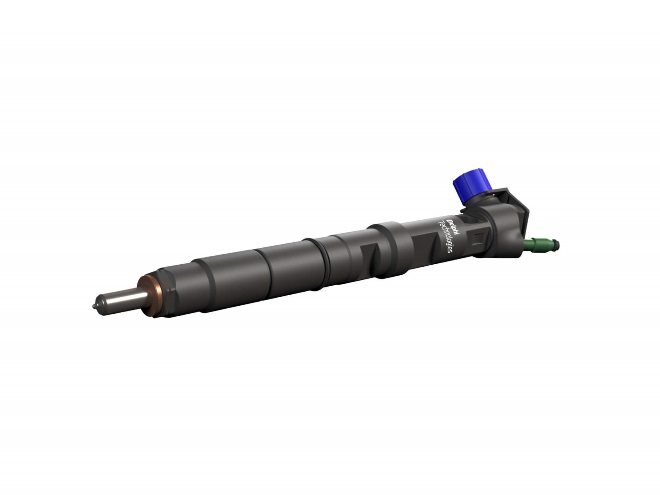
- Product Information
- Product Resources
- Enquire
- Related Products
OE heritage
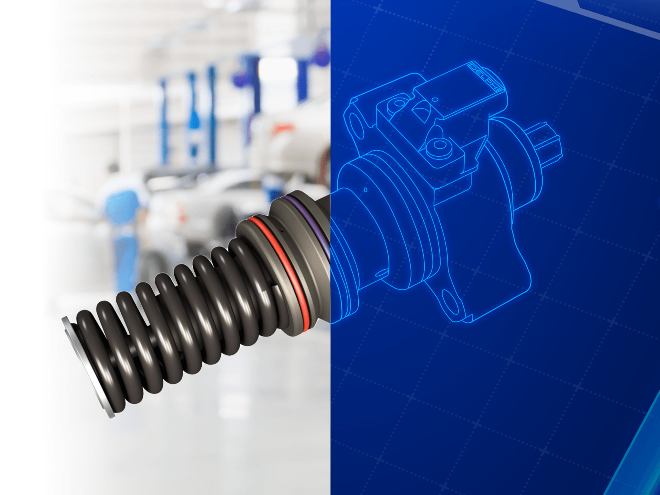
Born from pioneering companies such as CAV and Lucas, our diesel legacy is steeped in more than 80 years of OE innovation, technological advances and groundbreaking firsts from the iconic DPA pump in the 1950s, to the compact, fully-integrated electronic unit injector in 2001, and the first direct acting diesel fuel injection system in 2008. Just a few of many.
Next generation OE technology
Today, our OE diesel fuel injection and engine management systems can be found on millions of cars around the world – this includes our popular Multec® light-duty common rail that provides performance equivalent to servo piezo technology.
OE quality repair
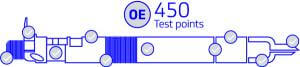
We also offer a range of components for the repair of Common Rail pumps and injectors. Exclusively for our authorized Delphi Diesel Centre network, only out-of-spec components are replaced. Importantly, they’re still calibrated to OE specification, with up to 450 test points and a new calibration code for an OE quality, cost-effective repair. Find your nearest diesel specialist.
Delphi DNA inside?

Want to know if your Common Rail injector has been repaired to OE standards, using only OE parts, with OE approved test plans and equipment? Easy, if you haven't bought it from an authorised Delphi Diesel Centre, just visit...
OE technology for the aftermarket
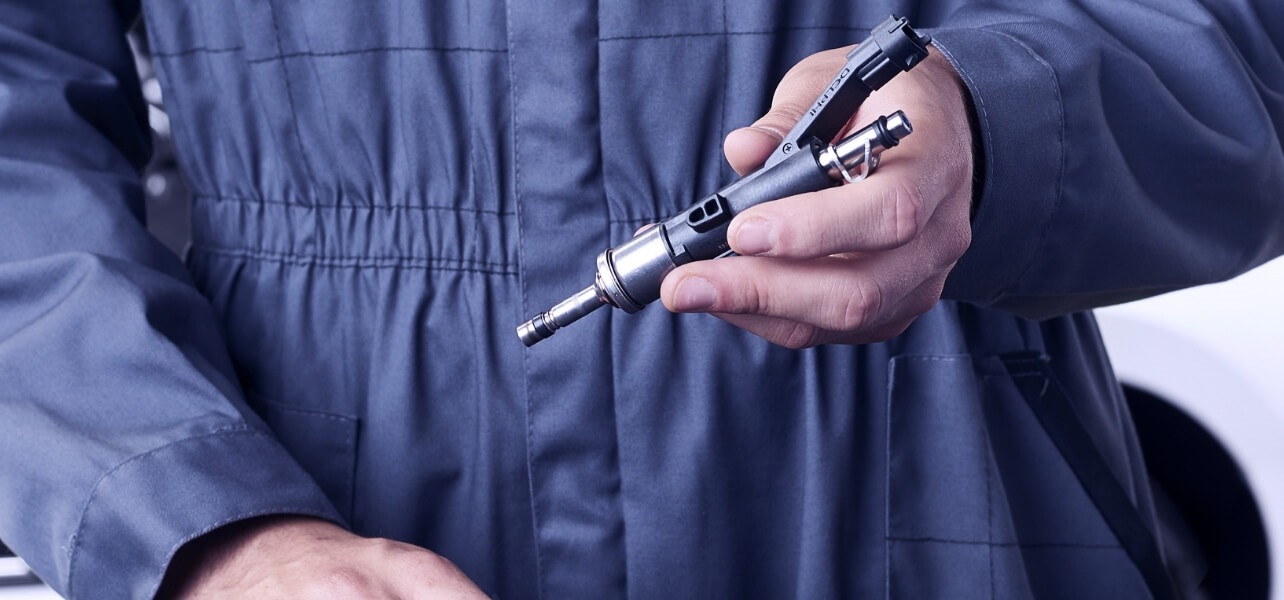
When it comes to servicing, we offer a range of key system components including OE pumps, injectors, rails and high-pressure pipes, as well as complementary products such as filters and glow plugs. All brand new, and all just like the OE.
The best things come in threes
By providing new, remanufactured and authorised repair, we provide the right solution for every vehicle owner. All three choices offer guaranteed quality but at different price points so you can decide what’s best for you, your vehicle and your budget. Learn more about our three choices for injector servicing.
The full solution
Our OE expertise means that we know exactly what is required when servicing these vehicles. In addition to parts, we offer an industry leading range of electronic diagnostic tools and specialist, on-vehicle diesel diagnostic tools, as well as OE-approved test equipment. Together they ensure quick, accurate and cost-effective diagnostics, test and repair, helping to minimise vehicle down time and reduce servicing costs.
Expert training
With Common Rail systems operating at extremely fine tolerances, even minute variations can have very big consequences. Knowing how to repair them to the same exacting standards as new is therefore critical. Our half theory, half practical diesel training gives you these skills and more, and covers everything from basic diagnostics to the repair of the very latest technologies. Learn more about our training.
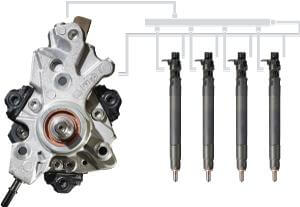
Greener reman
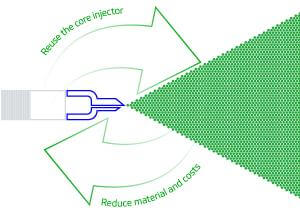
For a more environmentally and budget friendly option, we offer remanufactured injectors too. Just like new, they’re built using the same OE components, processes and calibration - with up-to 1,000 test plan points. The only difference? We reuse the core injector, where viable, to help reduce material and costs.
The Delphi Difference
-
100 years of OE experience, supplier to the world’s top automakers
-
OE heritage and knowledge built into every aftermarket part
-
Comprehensive portfolio for a wide range of vehicles and model years
-
Streamlined SKUs for easy inventory management
-
Support through tools, tips and training

Related product resources and downloads
Resource Highlights
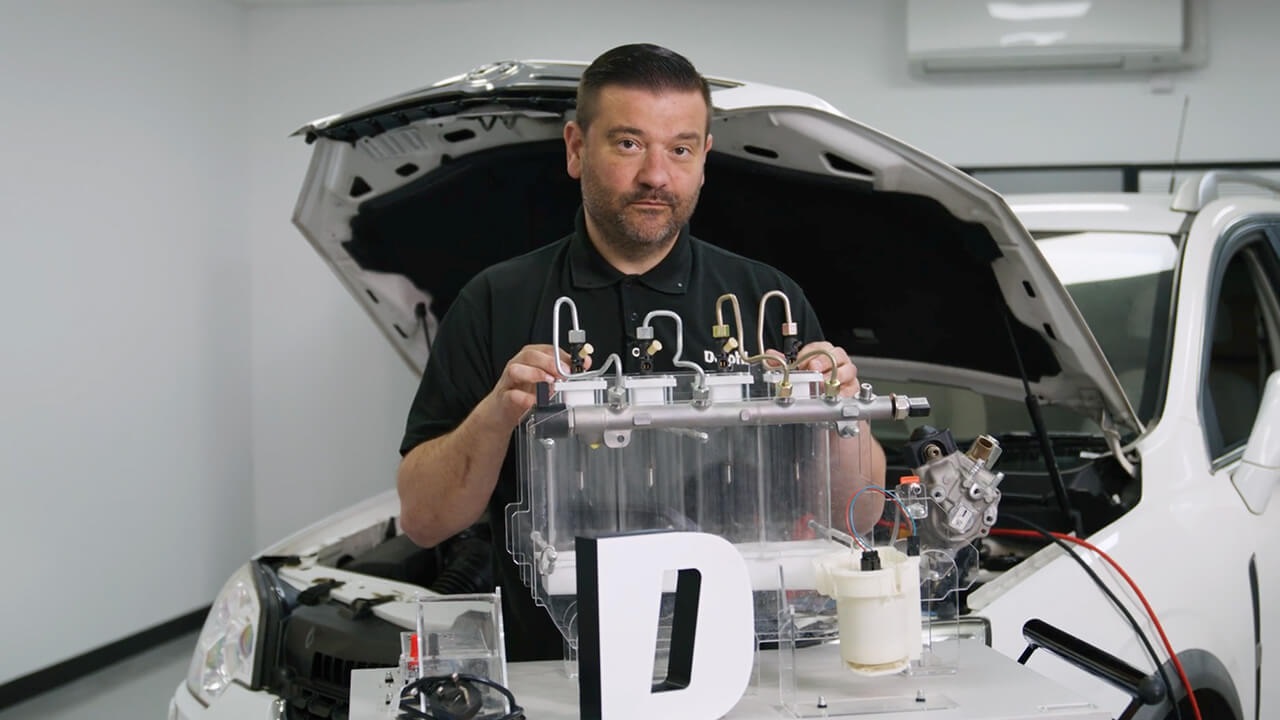
Worried about non-starts or injector faults after fitting new diesel components? Contamination and trapped air are often the cause – and they’re easy to overlook. In this video, our Delphi expert, Phil, takes you through common post-installation issues and how to avoid them.
- Identify damage inside injectors caused by air or debris
- Avoid contamination during injector installation
- Understand different pump types and how they affect bleeding procedures
- Use diagnostic routines or manual methods to bleed air, depending on system setup
- Safely crank and prime the fuel system to ensure smooth starting
- Use the Delphi HD3000 to bleed systems with HPV components
What are the most common injector problems?
There are two main culprits: contamination and air in the system. Contamination damages delicate parts while air prevents proper lubrication, leading to sticking nozzles or failing control valves.
How can I avoid contamination during injector installation?
Keep protective caps on until the injector is about to go into the engine. Exposing the inlet, nozzle, or back-leak ports – even briefly – can allow dirt in and cause damage before you’ve even started the engine.
What is the best way to bleed air from the system?
That depends on the vehicle and fuel system. Some setups allow you to run the in-tank pump via diagnostics. Others require a manual primer. If your vehicle uses a high pressure valve (HPV), you can use the Delphi HD3000 tool to open up the system and purge air efficiently.
What if the system doesn’t have a high pressure valve?
If there’s no HPV, you’ll need to crack open the injector pipes slightly, crank the engine to bleed fuel through, then tighten and torque correctly once fuel appears.
Do I need to worry about electrical connectors when bleeding?
Yes – always keep electrical connectors plugged in. Without a seal, leaking fuel could enter the solenoid and damage the injector beyond repair.
Get in touch
Find out where to buy Delphi parts