- Product Information
- Product Resources
- Enquire
- Related Products
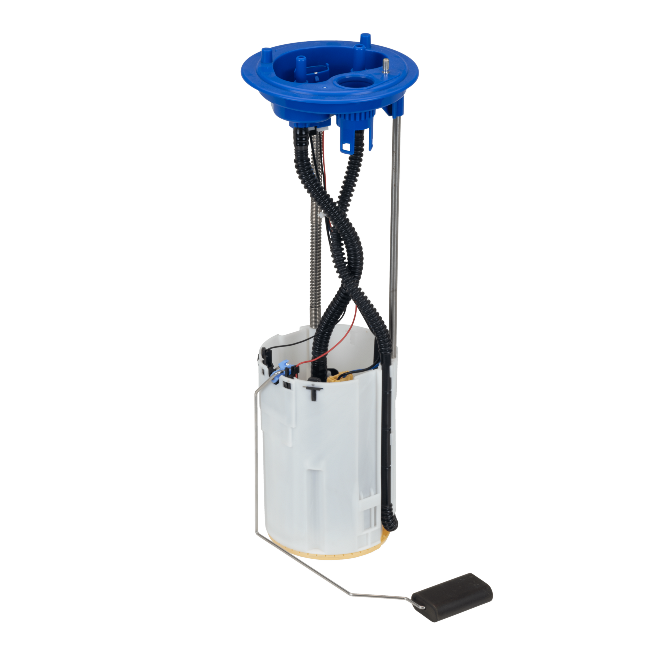
Distinctly Delphi Fuel Pumps
- Anodized aluminum can reduce flow loss by up to 100% in severe contamination
- New carbon commutator extends fuel pump life by up to 300% over commonly used copper commutators by reducing oxidation and premature wear*
- Over-molded armature protects pump windings in corrosive environments
- Button style contacts feature additional wear material that can last for over 1 million cycles
- High capacity synthetic mesh inlet filter is able to filter out all items larger than 30 microns
- Distinctly Delphi with an electric blue fuel pump top, module top cover and strainer material
*In contaminated fuel or fuel with alcohol blends
| Delphi part number | Popular Applications | EMEA car parc |
| FG1455-12B1 | AUDI A1/A1 Sportback/S1 Quattro/S1 Sportback Quattro, SEAT Ibiza/Ibiza SC/Ibiza ST/Toledo, SKODA Fabia/Fabia Scout/Rapid/Rapid Spaceback/Roomster/Roomster Praktik/Roomster Scout, VW Polo | 12.4M |
| FG0989-12B1 | AUDI A3/A3 Cabrio/A3 Quattro/A3 Sportback/A3 Sportback Quattro, SEAT Altea/Altea Freetrack/Altea XL/Leon/Toledo, SKODA Laura/Octavia/Octavia Scout/Yeti, VW Beetle/Bora (Jetta)/Eos/Golf/Golf Cabrio/Golf Estate/Variant/Golf Plus/Golf Van (Variant)/Jetta/Jetta Wagon/Scirocco | 9.2M |
| FG1061-12B1 | ABARTH 500/500C/595/595C/695, FIAT 500/500C/500S/Panda/Panda Classic/Panda Van | 8.9M |
| FG1070-12B1 | AUDI A3/A3 Quattro, SEAT Leon/Toledo, SKODA Octavia/Roomster/Roomster Praktik/Roomster Scout, VW Bora/Bora Estate/Variant/Cabrio/Golf/Golf Cabrio/Golf Estate/Variant/Golf Van (Variant)/Jetta/Jetta Wagon/New Beetle | 5.6M |
| FG1498-12B1 | CITROËN C1, PEUGEOT 107/108, TOYOTA Aygo | 5.3M |
.tmb-1280w.jpg?Culture=en-GB&sfvrsn=a9375dbb_7)

The Delphi Difference
-
100 years of OE experience, supplier to the world’s top automakers
-
OE heritage and knowledge built into every aftermarket part
-
Comprehensive portfolio for a wide range of vehicles and model years
-
Streamlined SKUs for easy inventory management
-
Support through tools, tips and training

Related product resources and downloads
Resource Highlights
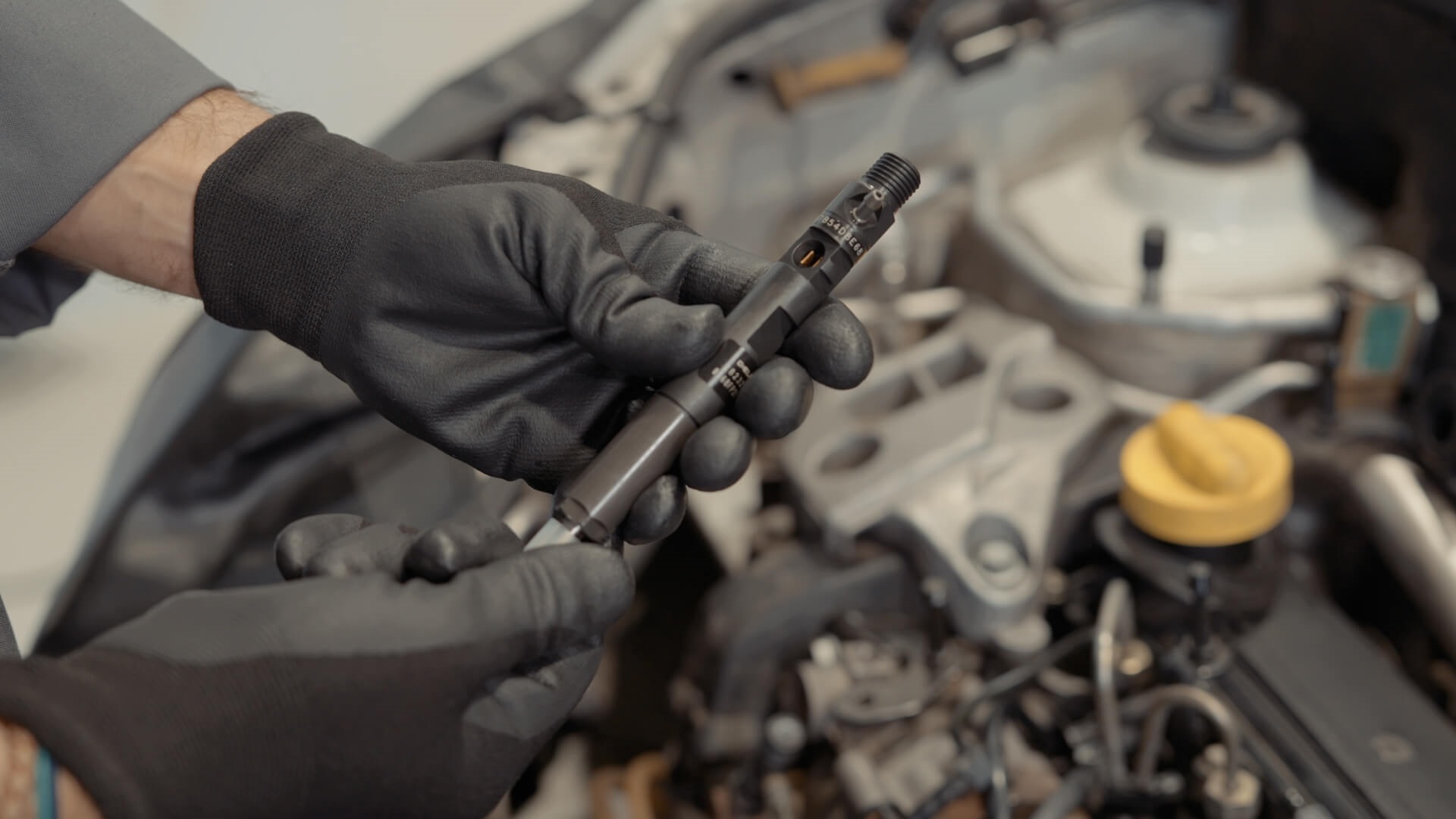
A modern fuel injection system is extremely accurate, efficient and controllable – but because it’s a precision piece of kit, it can go wrong from time to time. Find out how you can test for potential faults with these tips.
What is the fuel injection system?
A vehicle’s fuel injection system supplies – or more accurately, sprays – highly pressurised fuel into the vehicle’s combustion chambers. For optimum performance and to run correctly, the engine needs the right ratio of fuel to air mix, which can vary depending on its current demands. If this mix is not correct, or not being supplied properly, the engine simply won’t work how it should, if at all.
Types of fuel injection systems
Fuel injection systems are generally classified into two categories:
- Indirect injection – This is where all cylinders have their own fuel injectors, and the fuel is injected into the inlet manifold. Sequential injection offers an improvement in fuel efficiency and is a much more emission-friendly system. This is where each injector is controlled separately, so each only sprays fuel when the intake valve opens.
- Direct Injection – Originating in diesel engines, but now the main method of delivering petrol. The fuel is delivered directly to the cylinders, meaning greater control and precision - reducing both consumption and emissions.
Steps for testing the fuel injection system
There are a number of steps you can take to test a fuel injector that you suspect might have acquired a fault or as part of general maintenance.
Initial inspection
Start with the basics and conduct a visual inspection of the engine. What you’re looking for is any obvious signs that something isn’t right – is there a fuel spillage that would indicate a leak? Is something disconnected? Is there substantial wear and tear?
It’s a good idea to check components too for any bent or kinked hoses and pipes, damaged electrical connectors, or a dented fuel tank which may be preventing the fuel pump module from operating properly.
Fuel pressure test
To check that the correct amount of fuel is being delivered, run a fuel pressure test. This is a fairly straightforward procedure. Install a fuel pressure gauge, run the pump and note the pressure reading. Then, compare it to the manufacturer specification. Alternatively, you can use Delphi’s Sealed Rail Diagnostic Kit that allows you to check the pressure being generated by a high pressure pump and identify individual injectors that fail, meaning only faulty components will be replaced.
Electrical tests
Sometimes an electrical fault can cause no-starts or misfires. One way to test is with a multimeter tool while the vehicle is off. Take a resistance reading of the electrical connector and compare that with the vehicle’s technical data. If the readings aren’t in the approved range, there is an electrical fault with the injector and it would need to be replaced.
However, the easiest and quickest way to carry out electrical tests is with Delphi’s Electronic Injector Test Kit. With just one tool you can measure and compare injector values and identify if any are not within a comparable performance range, or display electronic failures. Take a look at our product page to find out more.
For a comprehensive result, injectors can be evaluated on an Excalibur GDi Master test bench, providing the following features:
- All-Makes Coil & Piezo injector testing capability
- Comprehensive test plan with simple pass/fail criteria
- Innovative spray pattern evaluation
- OE level high pressure and high flow rate test capability
- Ideal for injector diagnostics & refurbishment
- Integrated back-flush function
Advanced fuel injection diagnostics
Delphi’s DS180 is an accurate and powerful tool for diagnosing issues. A vehicle’s on-board diagnostic (OBD) systems will store information in the Engine Control Unit (ECU) about the status of components, including fuel injectors. Once connected, the ECU can communicate with the DS180 diagnostic tool so that it can access fault codes, data feeds and diagnostic tests.
If there are any issues, the scanner should be reading fault codes such as:
- P0200 – a fault with multiple injectors
- Codes within the P0201 to P0208 range would indicate a problem with specific injectors
- Codes within the P0300 to P0308 range are generally related to fuel faults
Tips on troubleshooting and identifying common issues
- There are some clear indications that a vehicle has a fault with its fuel injection system. These include:
- Engine misfires
- Low power/poor acceleration
- Reduced fuel efficiency
- Trouble starting
- Unusual engine noises
- ECU warning light
Symptoms such as these may be caused by a variety of issues, so its best practice to check all the usual suspects when diagnosing the problem. These can include:
Dirty fuel injectors – Because deposits of fuel can collect over time, injectors can eventually get clogged and restrict fuel supply. If you’d like to know how to remedy a clog, check out our guide here.
Leaks – Wear and tear can lead to damage, causing a fuel injector to leak.
Fuel injector failure – This could be caused by electrical issues or physical damage. In this case, the injector would need replacing.
Incorrect fuel injector timing – An engine stalling or not starting could point to this. The fault could be with the fuel injector, but it also could be elsewhere on the vehicle.

Visit our Technician Library for access to Documents and Downloads
Get in touch
Find out where to buy Delphi parts