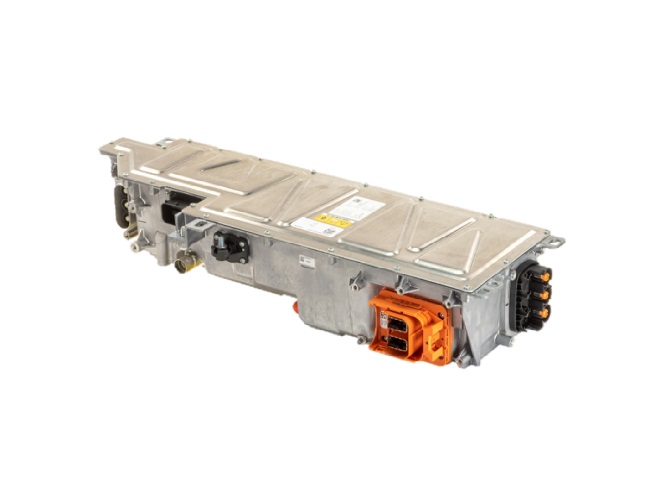
- Product Information
- Product Resources
- Enquire
- Related Products
OE Part Number | Applications | DT Part Number |
12368487431 | BMW 225XE (F45) , X1 (F49), M5 Sedan (F60) | PFV10000-12B1 |
What is the difference between an inverter and DC/DC converter in an electric vehicle?
Much like how internal combustion engines and alternators work together on conventional vehicles, hybrid cars and electric motors use inverters and converters to manage power to and from the battery pack to the motors and other on-board systems.
Inverters transform direct current (DC) from the battery into alternating current (AC) to power the vehicle. Inverters also control the motor and convert it to a generator, transferring braking energy back into the battery.
Converters control the DC voltage from the battery, either stepping it up or down based on the system and the power needed. DC/DC converters usually step down the high voltage from the battery pack to the 12-volts used by radios, headlights, and more.
An OE solution for aftermarket power electronics
Inverters and converters work together to manage the vehicle's electric drive and accessory systems. However, many of today’s inverters and converters can be complex, expensive, and prone to failure from excessive heat. They are also heavy and take up a lot of room on the vehicle, compromising both trunk and passenger compartment space. Delphi OE solution combines the inverter and DC/DC converter into one unit.
Delphi CIDD is cost-effective and saves vital weight and space in hybrids (HEV), plug-in hybrid electric (PHEV), and electric vehicles (EV). And by leveraging patented OE technology - Viper-enabled inverter’s double-sided cooling - it tackles the issue of overheating, allowing higher power outputs from a smaller package and increased range.
Combined Inverter and DC/DC Converter (CIDD)
- Enhances durability and reliability through features designed to withstand under the hood and environmental factors such as debris and temperature extremes.
- Improves voltage distribution functionality, enabling both low-side and high-side power for everything from headlights to power steering and air conditioning systems.
- Provides maximum packaging flexibility and space savings by moving the DC/DC unit from its standard location in the rear to the front of the vehicle.
- Enables better power range and minimizing power losses through the elimination of cabling, cooling hoses, connections, and housings, all while simplifying maintenance and repair.
To learn more about OE quality aftermarket EV parts you can trust, contact your Delphi representative today.
The Delphi Difference
-
100 years of OE experience, supplier to the world’s top automakers
-
OE heritage and knowledge built into every aftermarket part
-
Comprehensive portfolio for a wide range of vehicles and model years
-
Streamlined SKUs for easy inventory management
-
Support through tools, tips and training

Related product resources and downloads
Resource Highlights
Auto IQ | Regulatory demands for better fuel economy and reduced emissions will continue to drive the increase in hybrid vehicles on the road today and for the future. In fact, by 2020, it is projected that volumes will nearly triple from the 2M vehicles produced in 2012. So there is no doubt we will continue to see an increase in the number of hybrids entering the aftermarket once the warranty period ends. Today’s technician must keep up-to-date on the latest in hybrid technologies so they can effectively and efficiently serve their hybrid customers and provide options for service and repair. Due to the high-voltage circuits contained in most hybrid vehicles, proper service takes on a whole new approach. Improper handling of the hybrid system may result in electrocution and damage to vehicle components. Whenever servicing hybrid vehicles it is important to closely follow the service procedures found in the approved vehicle manufacturer repair manual. Each hybrid is unique and the proper procedures need to be followed for locating and removing or switching off service plugs and switches prior to servicing the vehicle. There are a variety of tools required to help diagnose and service hybrid vehicles. First, and foremost, a quality diagnostics scan tool is critical for accurate repairs. Additionally, a Category III DVOM is a must for diagnosing high voltage hybrid vehicle circuits. Meters such as the Fluke 1587 allow for insulation testing as well as performing all the other functions of a CAT III meter. |
Step by Step
1. | Safety TipGlovesAlways wear high-voltage insulated gloves rated to 1000 volts minimum, Class 0, while diagnosing and servicing hybrid vehicles and systems. Use gloves that are in good condition, as even pinholes can be very dangerous. One method of testing a rubber glove for leaks is to blow into the glove and hold it tight by squeezing or rolling the open end tight. If the glove has a leak it will deflate. |
2. | Safety TipWheel DolliesHigh voltage circuits are typically identified by bright orange cables or wires. The wiring may also be covered by bright orange covers or conduit. When hybrid vehicles are in a shop for service the vehicle may need to be moved. Remember, if you are rolling a vehicle in the shop, with the drive wheels on the ground the motor generator may be providing power to these circuits. To avoid this condition wheel dollies are recommended to move hybrid vehicles around the shop. |
3. | Safety TipHave we met?Always remove all jewelry including watches, necklaces, earrings, etc. when working on a hybrid vehicle. Metal objects conduct electricity and could be a hazard if they inadvertently contact a voltage source. Wear the appropriate protective clothing (high voltage rubber gloves, face shield, insulated boots, protective coat or apron) when servicing hybrid vehicles. |
4. | Safety TipRe-set The VehicleDuring diagnosis, do not drive the vehicle in this “Service Mode” as it may damage the transmission or other components of the hybrid system. To re-set the vehicle, shut the vehicle off and restart. |
5. | Safety TipDisable "Smart Key" SystemIf a hybrid is equipped with a “smart key” system the technicians need to be sure the system is disabled prior to performing any service on the vehicle. When in “Ready Mode” the engine can start at any time, which could create a safety concern if this occurs during vehicle service. |

Visit our Technician Library for access to Documents and Downloads
Get in touch

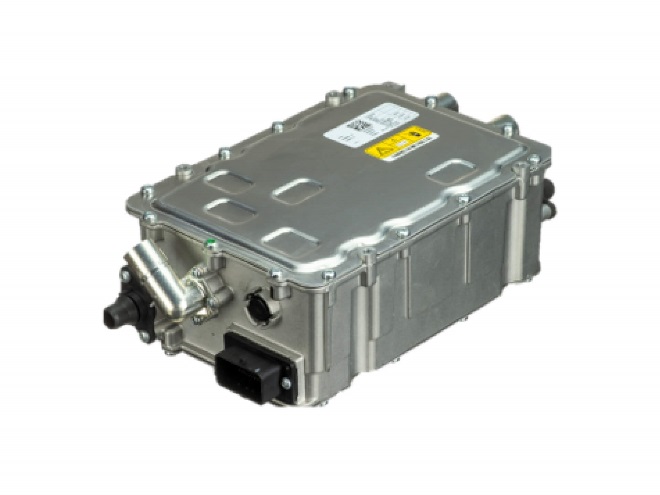

Find out where to buy Delphi parts