- Product Information
- Product Resources
- Enquire
- Related Products
Latest OE technology
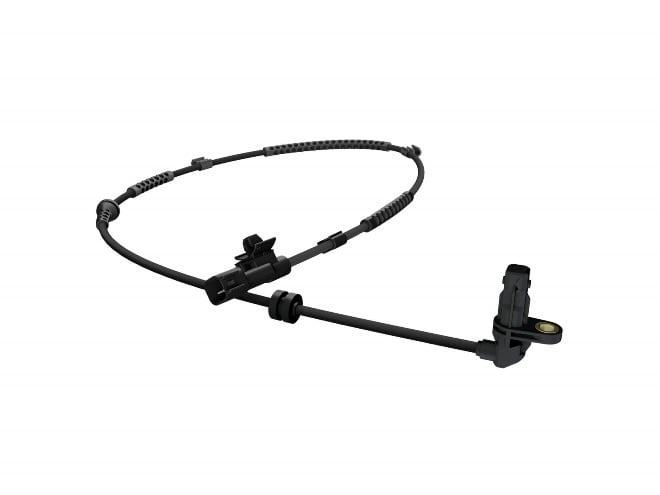
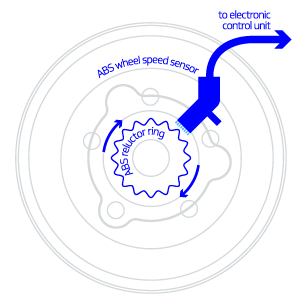
Our ever-expanding range of ABS sensors features the latest digital signal technology. By creating a digital, square wave, Delphi magneto resistive and hall effect sensors only change frequency, not amplitude, improving accuracy, especially at lower speeds. They can also detect the direction of the wheels; forward, reverse and even stop. This is vital for hill hold control, autohold and automatic parking assistance technologies.
Protection from the elements
Given its position, the ABS sensor is particularly vulnerable to contamination from dirt and moisture. That’s why Delphi ABS sensors feature weather-pack connectors that lock out dirt, moisture, chemicals and other contaminants, coupled with plated pins for even great corrosion protection and improved conductivity.
Extreme testing
Water, heat and vibration can all affect a sensors characteristic. So we subject all our sensors to extensive thermal, shock and vibration testing just to be sure. With test temperatures ranging from -40 o C to 140 o C, we know they’ll perform even in the most challenging conditions. Delivering optimum stability and reliability at all times.
Easy installation
For right-fist-time fitment, Delphi ABS sensors are designed to match the OE. With like-for-like mounting and connector designs and wire lengths, technicians can fit quickly and easily, straight from the box.
The complete solution
As well as a growing range of ABS sensors, we also offer advanced diagnostic capability including the ability to read live fault codes and individual wheel speed data, essential repair data through our vehicle technical information package, and expert training and technical support.

The Delphi Difference
-
100 years of OE experience, supplier to the world’s top automakers
-
OE heritage and knowledge built into every aftermarket part
-
Comprehensive portfolio for a wide range of vehicles and model years
-
Streamlined SKUs for easy inventory management
-
Support through tools, tips and training

Related product resources and downloads
Resource Highlights
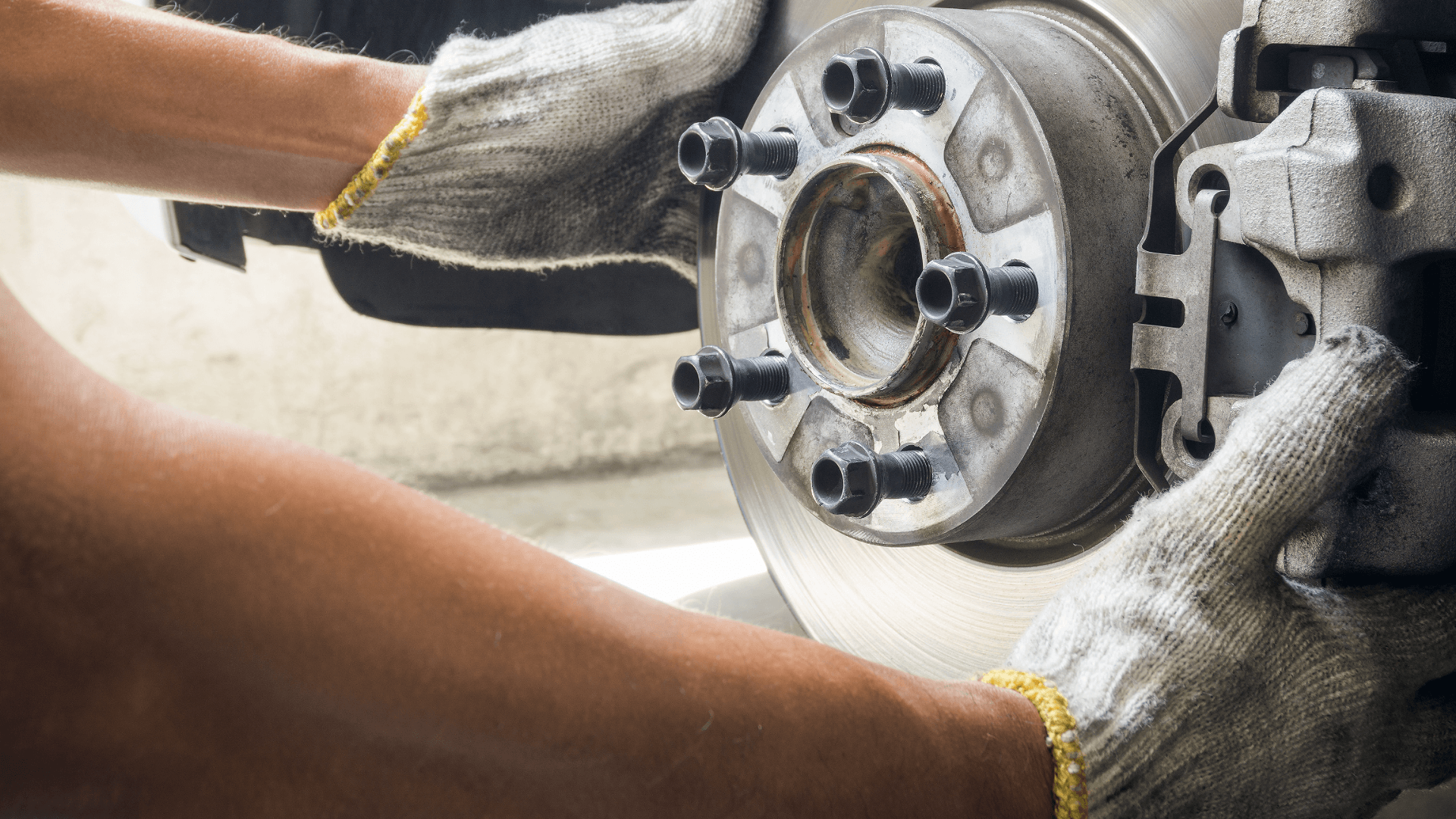
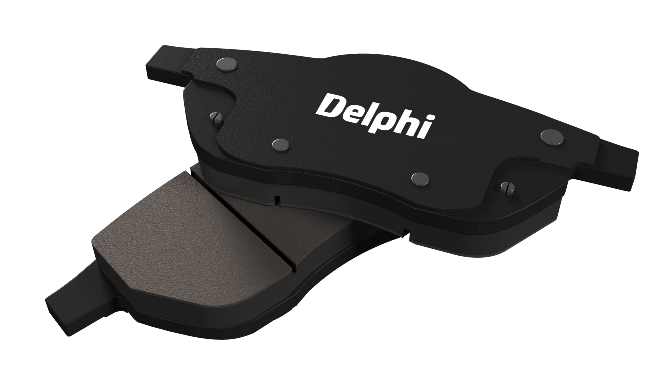
Correctly inspecting and servicing brakes is one of the critical jobs for any mechanic or technician to master. The lifetime of a brake pad can vary dramatically, so it’s essential to be able to identify when they need replacing.
Your 12 essential tips for a thorough brake inspection
Heat cracks
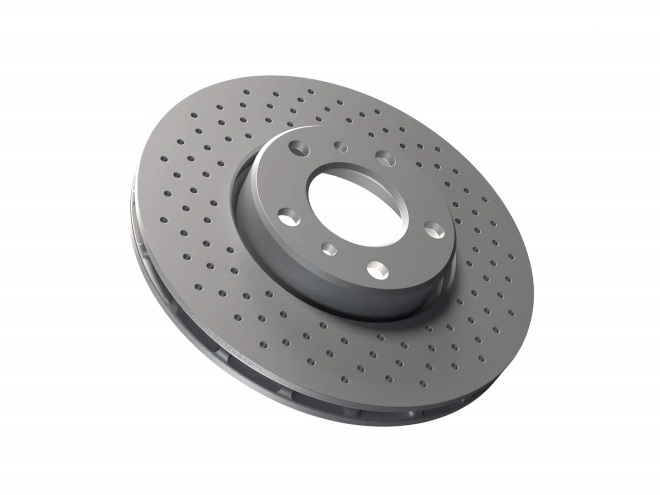
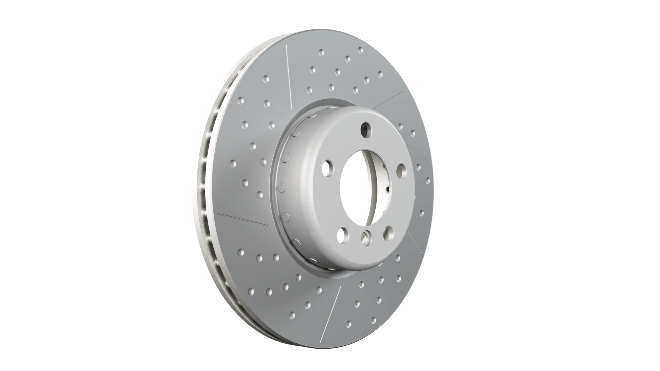
When you’re inspecting discs, keep an eye out for heat cracks. You can do more in-depth tests if you find them with a dial indicator gauge.
Brake fluid level
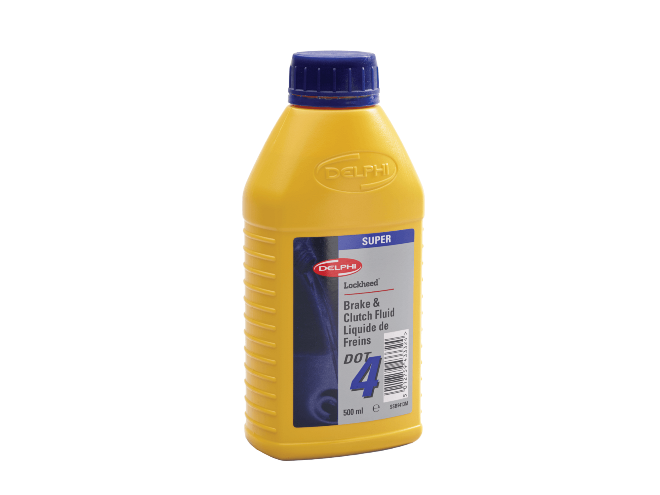
Always check the brake fluid level and condition. If needed, change the fluids and drain a small amount to allow for the fluid returning from the pistons as they’re retracted . Remove the brake fluid reservoir cap when returning piston to avoid resistance and damaging the system.
Inspect surrounding areas
On brake disc and pad replacement, you should inspect all of the surrounding parts and components for wear and damage. These include steering and suspension parts, bushes, bearings, brake hoses and pipes. Also look at wiring and connectors, shock absorbers and springs, and ABS sensors. If you’re replacing only pads, be sure to remove excess corrosion from brake discs.
Pad thickness
Certain marks on the discs can be a sign of issues with the pad. You should always use a pad thickness gauge to assess levels of wear. It’s typically recommended that brake pads should be replaced if the friction material has worn down to a thickness of 3mm or less. However, your benchmark should always be the manufacturer’s guidelines. Check old pads and discs for signs of overheating and excess dust after a drive.
Symptoms of pad wear
An outboard brake pad with heavy wear can often be a sign of issues with guide pins, bushings and even sliders. If it’s the inner pad that’s showing more wear, you might want to check for a seized piston, or problems with the master cylinder.
Advice on grease
Don’t use copper-based grease on modern brake pads, because it can cause the pads to stick in the caliper. It also has a tendency to attack rubber anti-noise coatings on the pad. Consider using Delphi Anti Seize Braking compound instead.
Anti-noise pads
Anti-noise brake pad components lose their strength over time, which can cause not only increased noise, but also unequal wear and uneven braking. Whenever you replace pads or shoes, you should also renew ancillary parts, including springs, clips and shims.
Brake shoe wear
If you want to know whether brake shoes are worn, look for inconsistent brake pedal feel, or vibration when under braking. The parking brake travel can also be excessive.
Check the springs
Brake shoe return springs don’t last for ever, and they can get weaker with age. If they’re not returning shoes to their original and correct positions, they can cause increase lining wear.
Ensure lubrication
Brake shoe self-adjusting mechanisms should be kept free and lubricated properly.
Brake hose lifespan
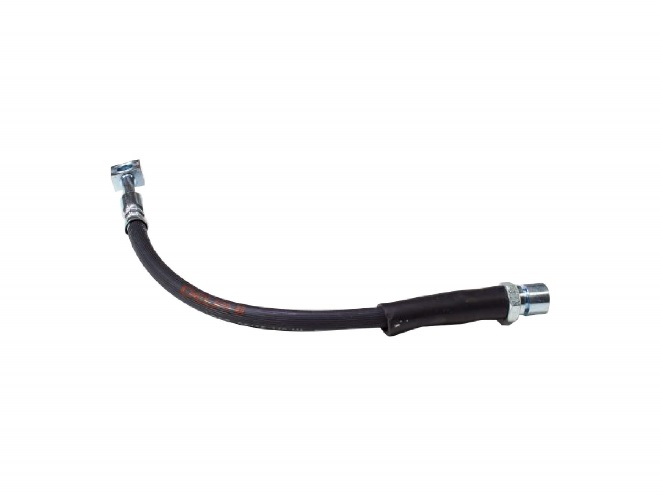
Brake hoses are made from rubber, which means they can degrade over time. Typically, you don’t need to replace a brake hose in service until it perishes, cracks or becomes constricted.
Brake fluid temperature
Test the heat of the brake fluid to check that its water content offers the best performance and economy. For the best possible reliability it needs regular calibration.
Don’t forget...
If new brake parts are fitted, you should advise your customers to drive gently for the first 200 miles until they ‘bed in’. This is because excessive braking can potentially damage new parts, and lead to a loss of braking efficiency and performance.
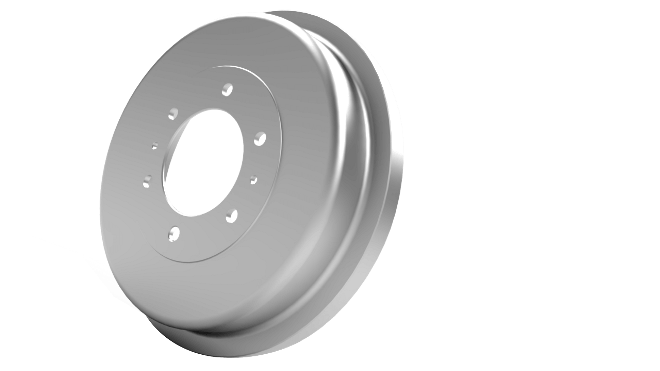
You should also recommend that brake discs or drums are replaced in axle sets, as replacing only one side can cause imbalanced braking performance that leads to premature wear.

Visit our Technician Library for access to Documents and Downloads
Get in touch

Find out where to buy Delphi parts