- Product Information
- Product Resources
- Enquire
- Related Products
Latest OE technology
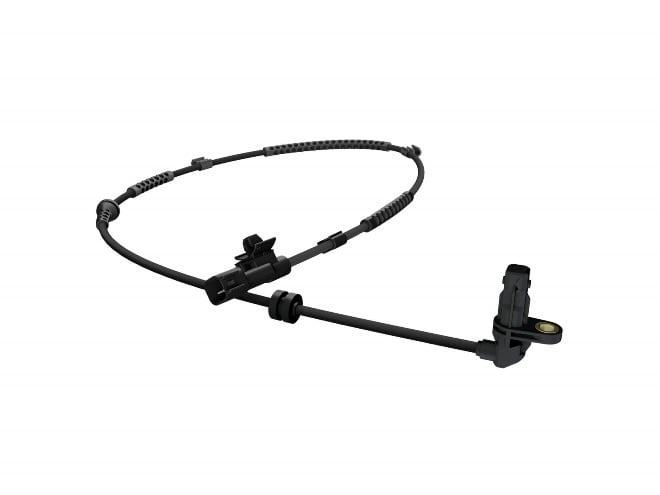
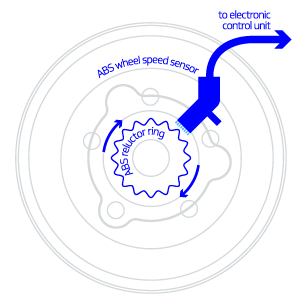
Our ever-expanding range of ABS sensors features the latest digital signal technology. By creating a digital, square wave, Delphi magneto resistive and hall effect sensors only change frequency, not amplitude, improving accuracy, especially at lower speeds. They can also detect the direction of the wheels; forward, reverse and even stop. This is vital for hill hold control, autohold and automatic parking assistance technologies.
Protection from the elements
Given its position, the ABS sensor is particularly vulnerable to contamination from dirt and moisture. That’s why Delphi ABS sensors feature weather-pack connectors that lock out dirt, moisture, chemicals and other contaminants, coupled with plated pins for even great corrosion protection and improved conductivity.
Extreme testing
Water, heat and vibration can all affect a sensors characteristic. So we subject all our sensors to extensive thermal, shock and vibration testing just to be sure. With test temperatures ranging from -40 o C to 140 o C, we know they’ll perform even in the most challenging conditions. Delivering optimum stability and reliability at all times.
Easy installation
For right-fist-time fitment, Delphi ABS sensors are designed to match the OE. With like-for-like mounting and connector designs and wire lengths, technicians can fit quickly and easily, straight from the box.
The complete solution
As well as a growing range of ABS sensors, we also offer advanced diagnostic capability including the ability to read live fault codes and individual wheel speed data, essential repair data through our vehicle technical information package, and expert training and technical support.

The Delphi Difference
-
100 years of OE experience, supplier to the world’s top automakers
-
OE heritage and knowledge built into every aftermarket part
-
Comprehensive portfolio for a wide range of vehicles and model years
-
Streamlined SKUs for easy inventory management
-
Support through tools, tips and training

Related product resources and downloads
Resource Highlights
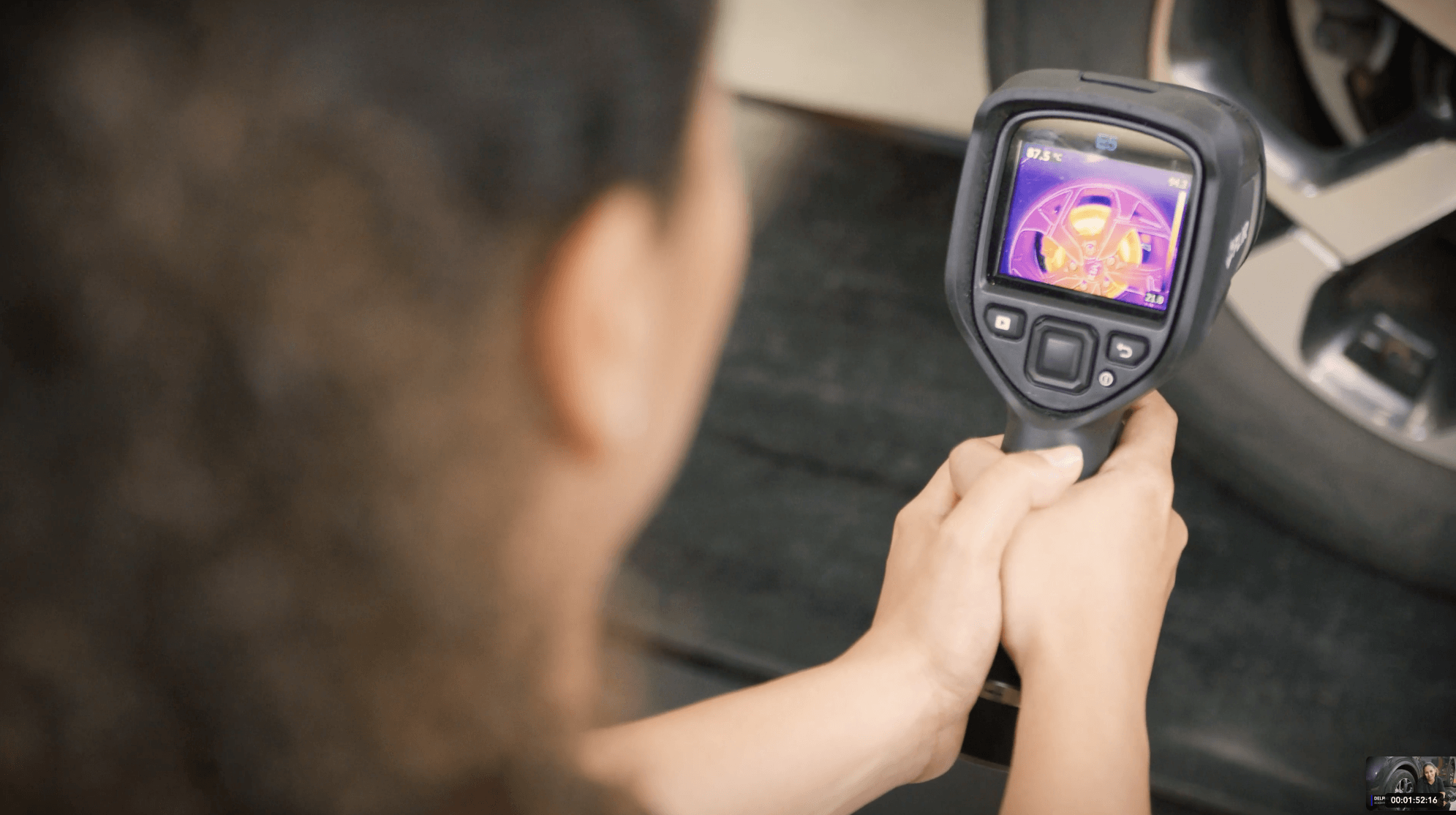
Here we’re going to take a look at how to use a thermal camera to identify faulty or sticking brakes.
There are a number of ways to investigate a car’s brake performance, including a roller brake tester, or raising the vehicle to feel for resistance manually. But using a thermal camera is often the quickest way to find the brake that’s causing the problem.
Laura, our Delphi expert, shows you how it’s done using a Kia Sportage as an example vehicle. She explains:
- Why sticking brakes can be a problem
- The different methods for diagnosing them
- How simple using a thermal camera is
What problems do sticking brakes cause?
If your vehicle’s brakes aren’t free, there’ll be a constant drag, resulting in more fuel used - and of course, reduced fuel economy.
Why is a thermal camera useful for brake testing?
Brakes will tend to give off more heat if they’re malfunctioning or sticking. They can even indicate the precise part of the brake that’s affecting performance.
Can a thermal camera be used for other vehicle parts?
Yes. A thermal camera can be used to diagnose electrical defects such as loose connections or faulty components. It can also help you assess exhaust leaks, faulty heating elements, air conditioning issues, and catalytic converter problems.

Visit our Technician Library for access to Documents and Downloads
Get in touch


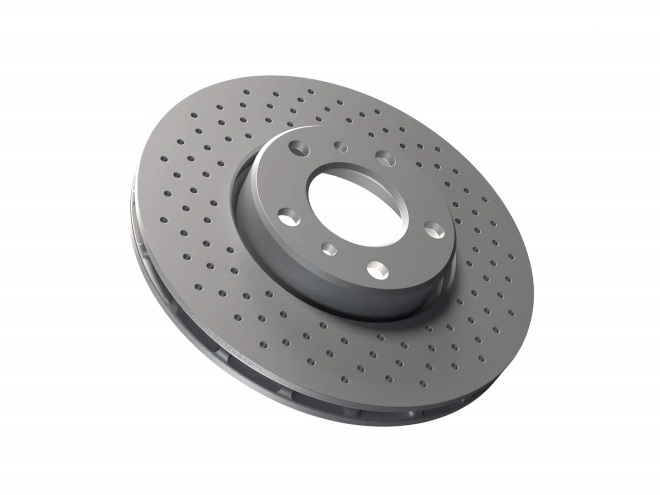


Find out where to buy Delphi parts