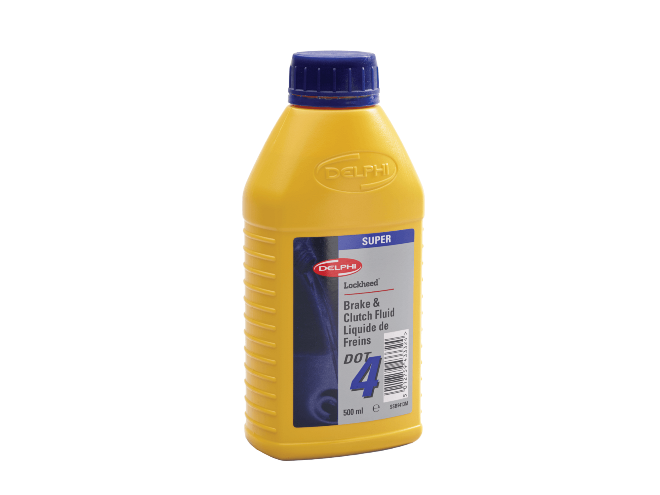
- Product Information
- Product Resources
- Enquire
- Related Products
Right brake fluid for your vehicle
Our range of glycol-ether based DOT 3, DOT 4 and DOT 5.1 and mineral oil based LHM+ has been especially formulated to provide the optimum combination of dry and wet boiling points, maximum and minimum viscosities, chemical stability at high temperature and Ph balance for each vehicle application - so you can be sure the brake system will function at its very best.
High boiling point brake fluid
If brake fluid boils and becomes a gas, through prolonged or heavy braking, it will lose its ability to transmit force, potentially disabling the brakes. To make matters worse, as the water content in the fluid increases, the temperature it boils at decreases. Choosing a fluid with a high boiling point is therefore critical. Our DOT 5.1 has been specially formulated to deliver a high boiling point for guaranteed performance time and time again.
Low viscosity brake fluid
Since hydraulic units in modern braking systems such as ABS and ESP are manufactured to fine tolerances and require very rapid activation, the viscosity of the fluid is equally important. To maximise the performance of these systems in all conditions, Delphi’s ESP/ASR DOT 4 has been engineered to provide a consistently low viscosity over a wide range of temperatures.
Long-lasting protection
Delphi’s brake fluid helps to lubricate the system’s movable parts and protect against corrosion and wear. It’s also compatible with all rubber seals and hoses, for optimal braking performance and a longer service life.
Enhanced packaging
Our 20L “bag in a box” option avoids moisture contamination, thanks to its special, multi-layer design and provides a more environmental friendly cost effective solution. We also supply in 250ml, 500ml, 1L, 5L and 20L bottles, foil sealed for added moisture protection and longer shelf-life.

The Delphi Difference
-
100 years of OE experience, supplier to the world’s top automakers
-
OE heritage and knowledge built into every aftermarket part
-
Comprehensive portfolio for a wide range of vehicles and model years
-
Streamlined SKUs for easy inventory management
-
Support through tools, tips and training

Related product resources and downloads
Resource Highlights
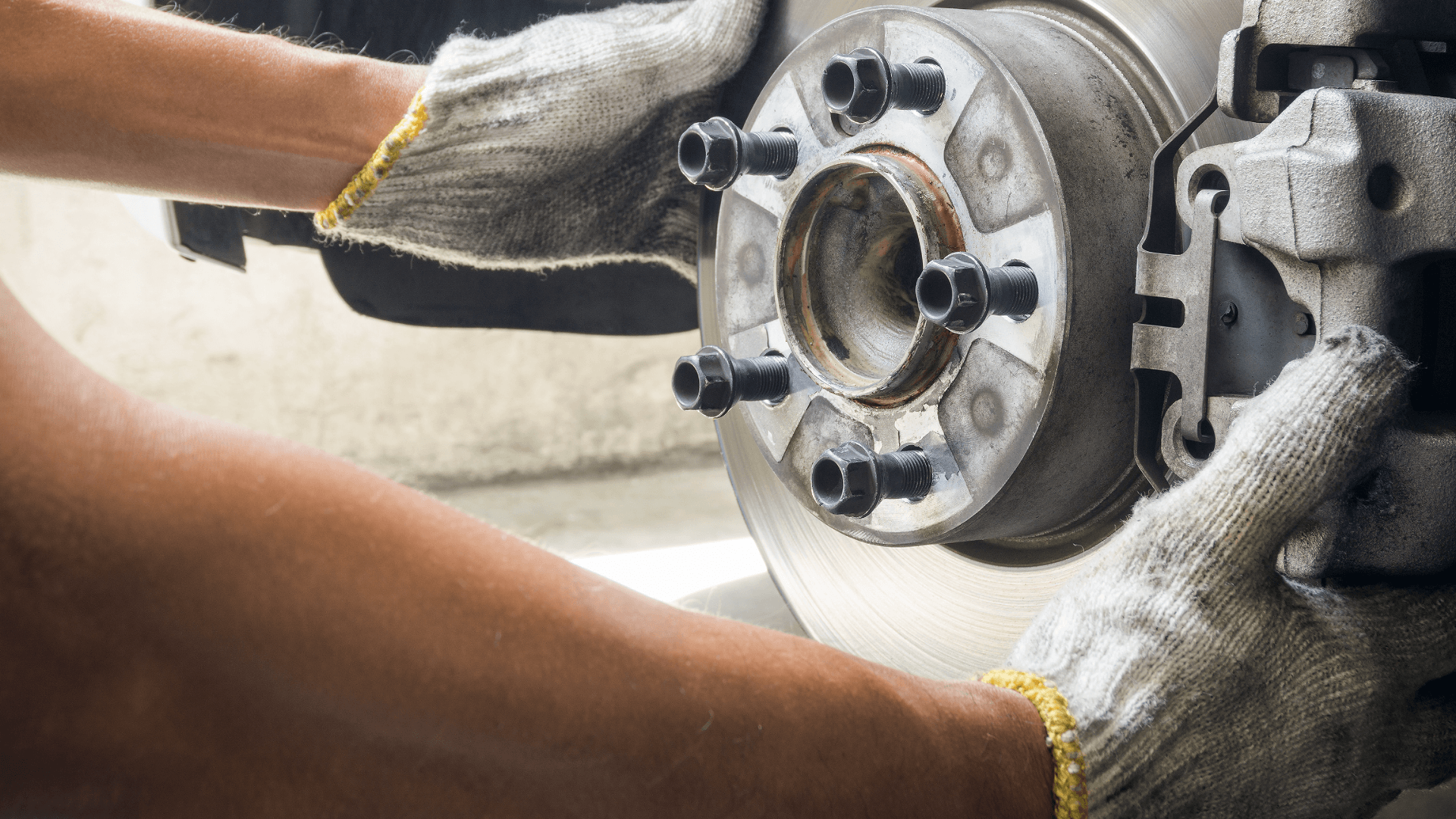
Correctly inspecting and servicing brakes is one of the critical jobs for any mechanic or technician to master. The lifetime of a brake pad can vary dramatically, so it’s essential to be able to identify when they need replacing.
Your 12 essential tips for a thorough brake inspection
Heat cracks
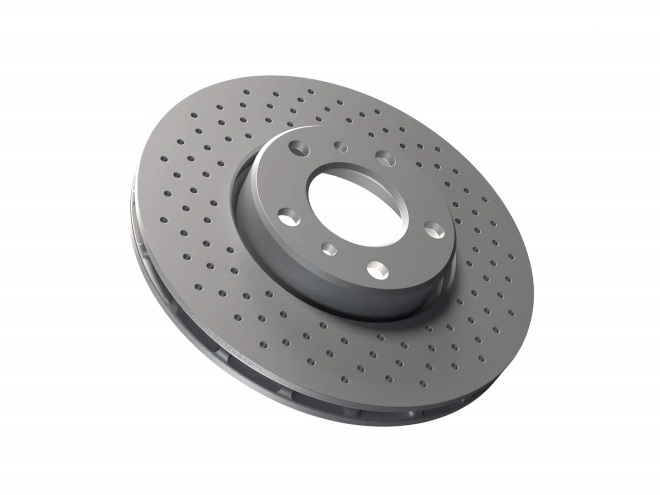
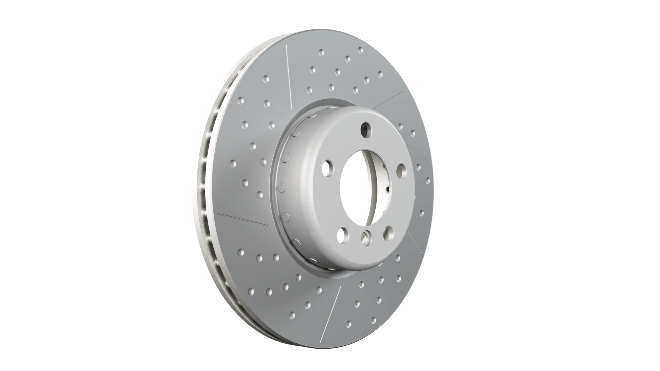
When you’re inspecting discs, keep an eye out for heat cracks. You can do more in-depth tests if you find them with a dial indicator gauge.
Brake fluid level
Always check the brake fluid level and condition. If needed, change the fluids and drain a small amount to allow for the fluid returning from the pistons as they’re retracted . Remove the brake fluid reservoir cap when returning piston to avoid resistance and damaging the system.
Inspect surrounding areas
On brake disc and pad replacement, you should inspect all of the surrounding parts and components for wear and damage. These include steering and suspension parts, bushes, bearings, brake hoses and pipes. Also look at wiring and connectors, shock absorbers and springs, and ABS sensors. If you’re replacing only pads, be sure to remove excess corrosion from brake discs.
Pad thickness
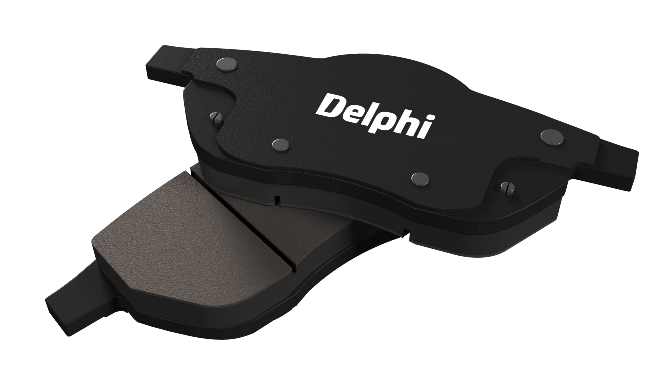
Certain marks on the discs can be a sign of issues with the pad. You should always use a pad thickness gauge to assess levels of wear. It’s typically recommended that brake pads should be replaced if the friction material has worn down to a thickness of 3mm or less. However, your benchmark should always be the manufacturer’s guidelines. Check old pads and discs for signs of overheating and excess dust after a drive.
Symptoms of pad wear
An outboard brake pad with heavy wear can often be a sign of issues with guide pins, bushings and even sliders. If it’s the inner pad that’s showing more wear, you might want to check for a seized piston, or problems with the master cylinder.
Advice on grease
Don’t use copper-based grease on modern brake pads, because it can cause the pads to stick in the caliper. It also has a tendency to attack rubber anti-noise coatings on the pad. Consider using Delphi Anti Seize Braking compound instead.
Anti-noise pads
Anti-noise brake pad components lose their strength over time, which can cause not only increased noise, but also unequal wear and uneven braking. Whenever you replace pads or shoes, you should also renew ancillary parts, including springs, clips and shims.
Brake shoe wear
If you want to know whether brake shoes are worn, look for inconsistent brake pedal feel, or vibration when under braking. The parking brake travel can also be excessive.
Check the springs
Brake shoe return springs don’t last for ever, and they can get weaker with age. If they’re not returning shoes to their original and correct positions, they can cause increase lining wear.
Ensure lubrication
Brake shoe self-adjusting mechanisms should be kept free and lubricated properly.
Brake hose lifespan
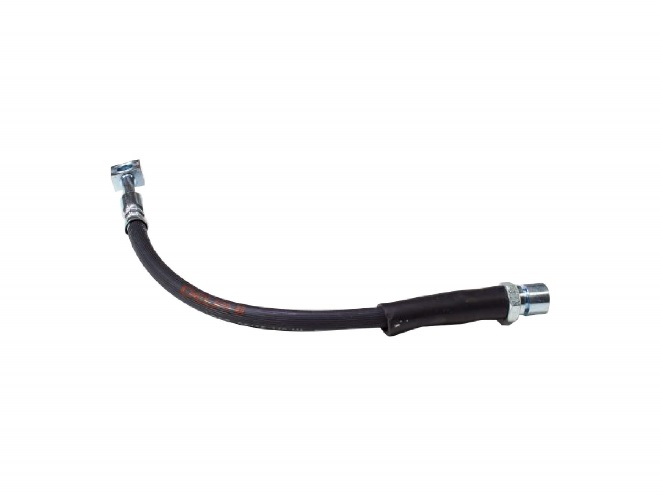
Brake hoses are made from rubber, which means they can degrade over time. Typically, you don’t need to replace a brake hose in service until it perishes, cracks or becomes constricted.
Brake fluid temperature
Test the heat of the brake fluid to check that its water content offers the best performance and economy. For the best possible reliability it needs regular calibration.
Don’t forget...
If new brake parts are fitted, you should advise your customers to drive gently for the first 200 miles until they ‘bed in’. This is because excessive braking can potentially damage new parts, and lead to a loss of braking efficiency and performance.
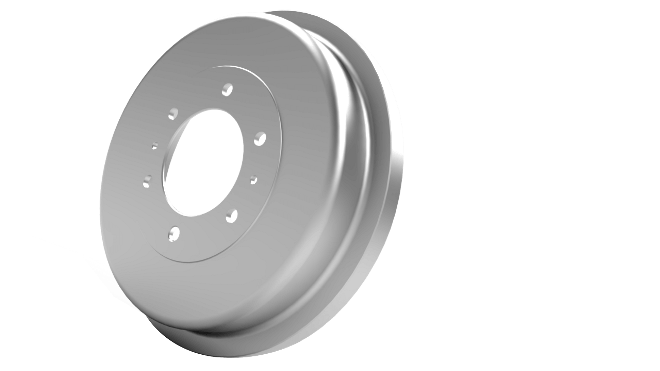
You should also recommend that brake discs or drums are replaced in axle sets, as replacing only one side can cause imbalanced braking performance that leads to premature wear.
Get in touch

Find out where to buy Delphi parts