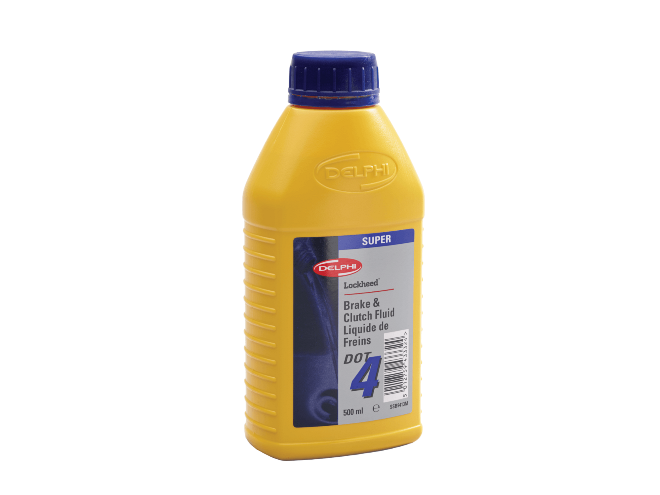
- Product Information
- Product Resources
- Enquire
- Related Products
Right brake fluid for your vehicle
Our range of glycol-ether based DOT 3, DOT 4 and DOT 5.1 and mineral oil based LHM+ has been especially formulated to provide the optimum combination of dry and wet boiling points, maximum and minimum viscosities, chemical stability at high temperature and Ph balance for each vehicle application - so you can be sure the brake system will function at its very best.
High boiling point brake fluid
If brake fluid boils and becomes a gas, through prolonged or heavy braking, it will lose its ability to transmit force, potentially disabling the brakes. To make matters worse, as the water content in the fluid increases, the temperature it boils at decreases. Choosing a fluid with a high boiling point is therefore critical. Our DOT 5.1 has been specially formulated to deliver a high boiling point for guaranteed performance time and time again.
Low viscosity brake fluid
Since hydraulic units in modern braking systems such as ABS and ESP are manufactured to fine tolerances and require very rapid activation, the viscosity of the fluid is equally important. To maximise the performance of these systems in all conditions, Delphi’s ESP/ASR DOT 4 has been engineered to provide a consistently low viscosity over a wide range of temperatures.
Long-lasting protection
Delphi’s brake fluid helps to lubricate the system’s movable parts and protect against corrosion and wear. It’s also compatible with all rubber seals and hoses, for optimal braking performance and a longer service life.
Enhanced packaging
Our 20L “bag in a box” option avoids moisture contamination, thanks to its special, multi-layer design and provides a more environmental friendly cost effective solution. We also supply in 250ml, 500ml, 1L, 5L and 20L bottles, foil sealed for added moisture protection and longer shelf-life.

The Delphi Difference
-
100 years of OE experience, supplier to the world’s top automakers
-
OE heritage and knowledge built into every aftermarket part
-
Comprehensive portfolio for a wide range of vehicles and model years
-
Streamlined SKUs for easy inventory management
-
Support through tools, tips and training

Related product resources and downloads
Resource Highlights
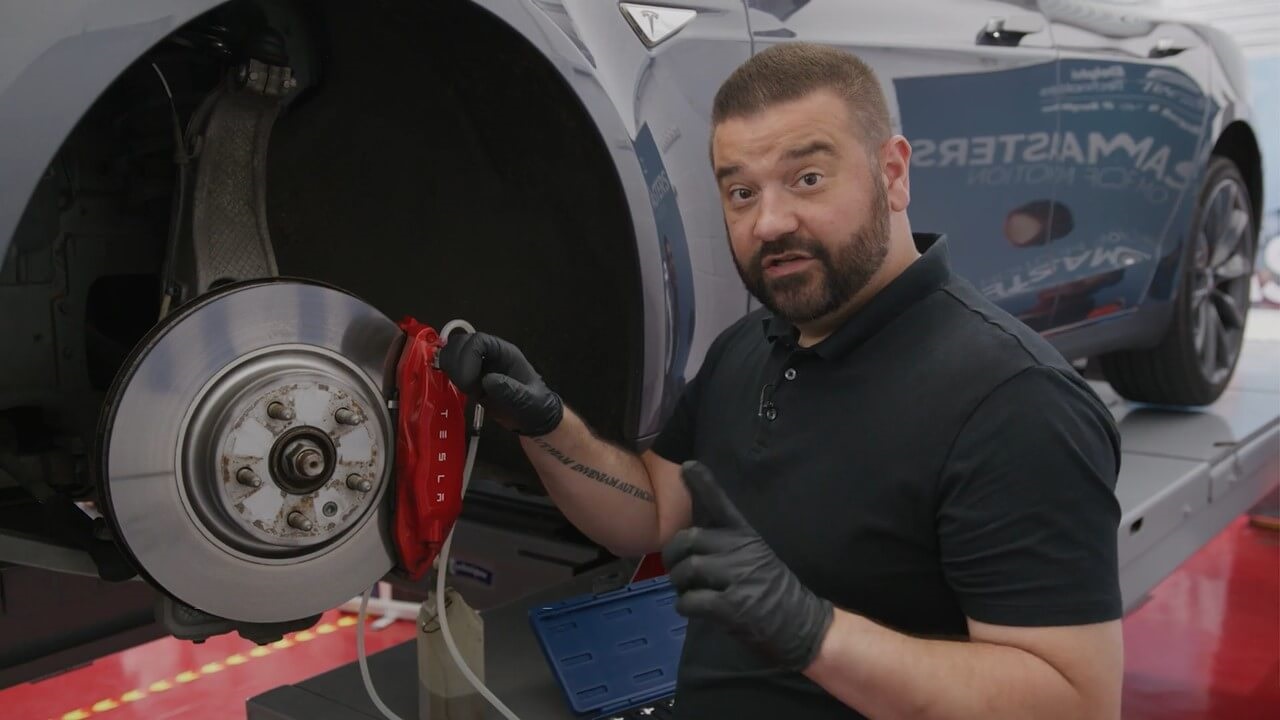
Changing brake fluid on a vehicle is an essential maintenance job. It needs to be performed because brake fluid loses its performance over time due to it absorbing water, which then leads to bubbles in the fluid.
In this Masters of Motion video, our Delphi expert demonstrates how to change the brake fluid on a Tesla Model S, sharing:
How often does brake fluid need changing?
Most manufacturers recommend changing the brake fluid in their vehicles once every two years as it plays such an important safety function.
What do I need to perform an oil change?
To change the oil on a Tesla Model S, the main pieces of equipment our Delphi expert uses are new brake fluid, a pressure bleeder and the Delphi DS480 Diagnostic Tool.
How can I tell if the brake fluid needs changing?
First, there is the manufacturer’s recommended period between changes to follow. You can also look for signs that it needs changing, such as the fluid looking dirty or smelling burnt, the brake pedals being spongy, or the fluid level having dropped in the reservoir.
What is a frunk?
This is the name Tesla gives to the storage space at the front of the vehicle. The name is a mix of the words ‘front’ and ‘trunk’.
Get in touch

Find out where to buy Delphi parts