- Product Information
- Product Resources
- Enquire
- Related Products
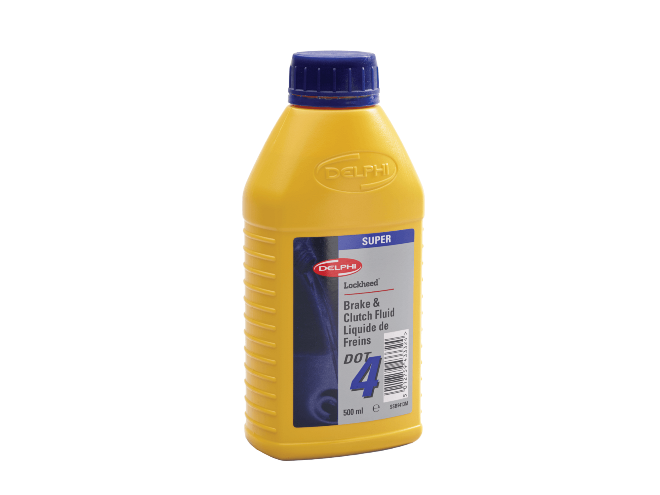
Right brake fluid for your vehicle
Our range of glycol-ether based DOT 3, DOT 4 and DOT 5.1 and mineral oil based LHM+ has been especially formulated to provide the optimum combination of dry and wet boiling points, maximum and minimum viscosities, chemical stability at high temperature and Ph balance for each vehicle application - so you can be sure the brake system will function at its very best.
High boiling point brake fluid
If brake fluid boils and becomes a gas, through prolonged or heavy braking, it will lose its ability to transmit force, potentially disabling the brakes. To make matters worse, as the water content in the fluid increases, the temperature it boils at decreases. Choosing a fluid with a high boiling point is therefore critical. Our DOT 5.1 has been specially formulated to deliver a high boiling point for guaranteed performance time and time again.
Low viscosity brake fluid
Since hydraulic units in modern braking systems such as ABS and ESP are manufactured to fine tolerances and require very rapid activation, the viscosity of the fluid is equally important. To maximise the performance of these systems in all conditions, Delphi’s ESP/ASR DOT 4 has been engineered to provide a consistently low viscosity over a wide range of temperatures.
Long-lasting protection
Delphi’s brake fluid helps to lubricate the system’s movable parts and protect against corrosion and wear. It’s also compatible with all rubber seals and hoses, for optimal braking performance and a longer service life.
Enhanced packaging
Our 20L “bag in a box” option avoids moisture contamination, thanks to its special, multi-layer design and provides a more environmental friendly cost effective solution. We also supply in 250ml, 500ml, 1L, 5L and 20L bottles, foil sealed for added moisture protection and longer shelf-life.


The Delphi Difference
-
100 years of OE experience, supplier to the world’s top automakers
-
OE heritage and knowledge built into every aftermarket part
-
Comprehensive portfolio for a wide range of vehicles and model years
-
Streamlined SKUs for easy inventory management
-
Support through tools, tips and training

Related product resources and downloads
Resource Highlights
Can new brake discs be supplied warped?
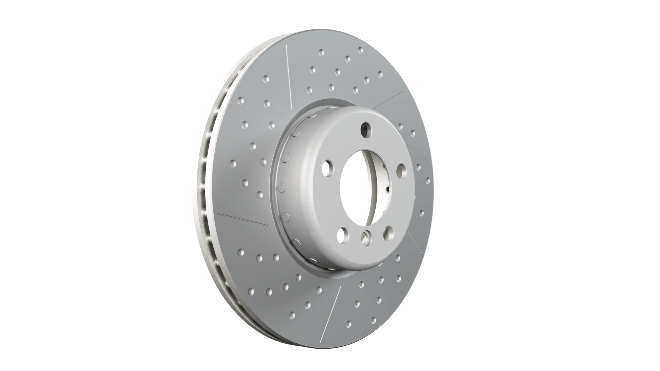
Modern manufacturing processes and materials make warped discs out of the box extremely rare. If there is braking vibration or other symptoms, this could be caused by Disc Thickness Variation (DTV) or runout.
What is Disc Thickness Variation (DTV)?
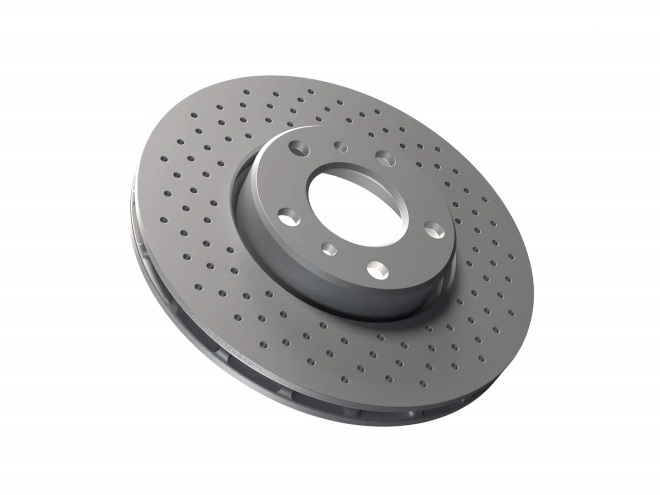
Both the front and rear face of the brake disc should be flat and be in parallel with one another. Nothing is perfect, but they should be flat within a tight tolerance. If you were to measure around the face of the disc at different points and find that it measures differently in thickness (meaning that it’s not perfectly flat and not parallel), that is DTV. Manufacturers will stipulate varying tolerances for this in the vehicle handbook. A high DTV measurement could cause a common misdiagnosis of a warped disc.
How do you measure DTV?
Use a vernier caliper to measure the thickness between the front and rear faces of the disc in different areas. If there are any differences in the thicknesses, this is Disc Thickness Variation (DTV).
What is the difference between DTV and a warped brake disc?
Whereas Disc Thickness Variation (DTV) is caused by the disc wearing unevenly (causing the faces of the disc to no longer be parallel with one another), a warped disc is a distortion within the uniform thickness of the disc surface.
What is the difference between DTV and runout?
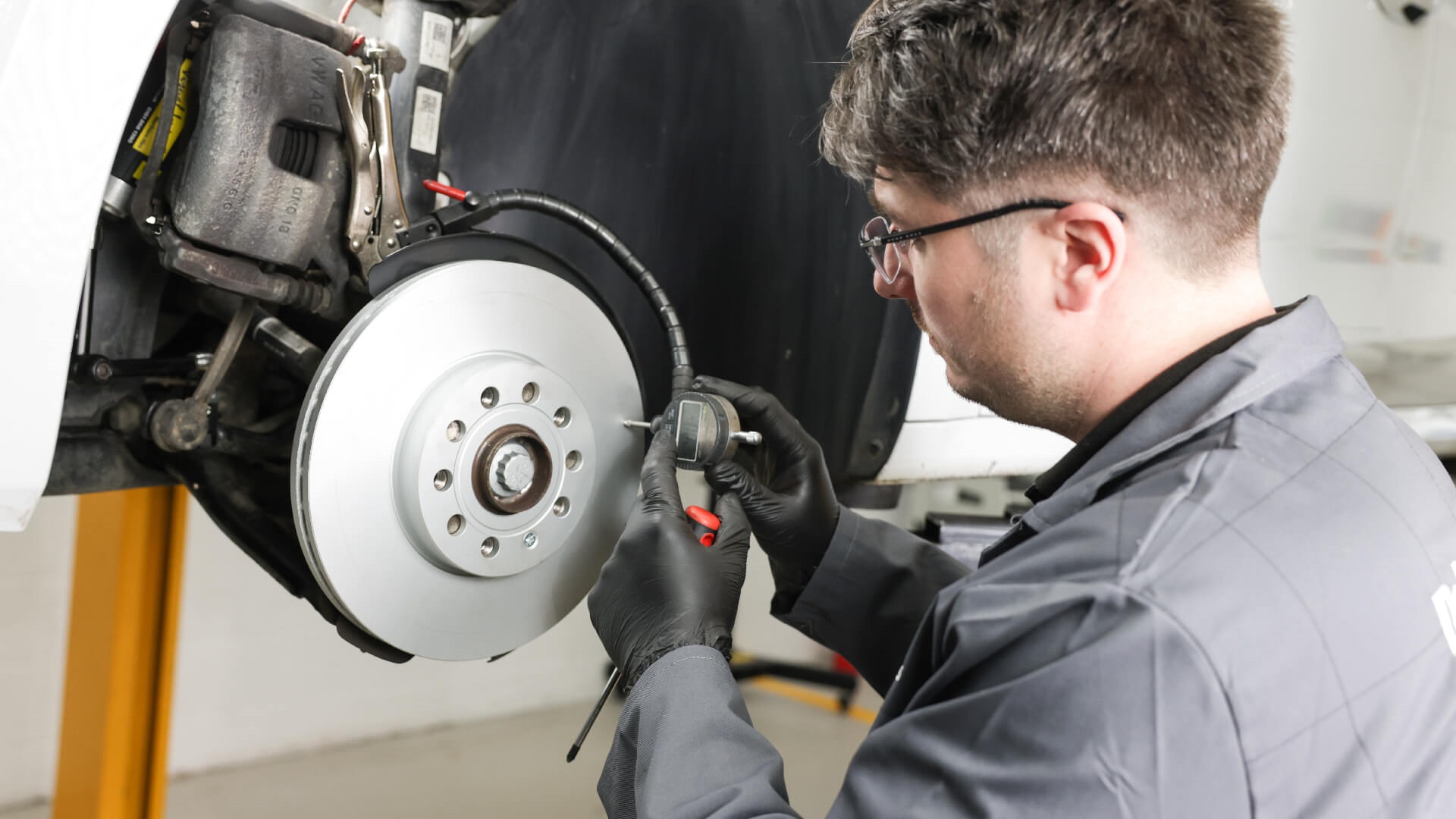
DTV is when the faces of the brake disc are not flat. Runout is a measure of how off-centre a brake rotor is as it rotates around the hub. If the hubs aren’t clean from dirt or debris, then this can cause runout and braking vibration. If they are clean, then the bearings or hub may be faulty.
How do I carry out a disc runout check?
Get in touch
Find out where to buy Delphi parts