- Product Information
- Product Resources
- Enquire
- Related Products
OE design
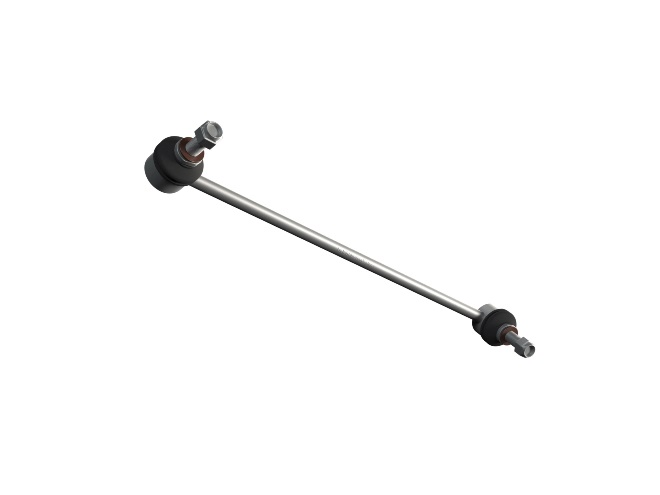
Delphi link stabilizers come in either steel, aluminium or reinforced plastic as per the OE. The lightweight property of our plastic link stabilizers , helps to reduce weight and dampen vibrations, whereas the corrosion-resistant steel makes for a stronger, longer-lasting part. Whichever material you fit, you can be assured it’s been manufactured to the very latest OE specifications.
Engineered for a stronger, durable part

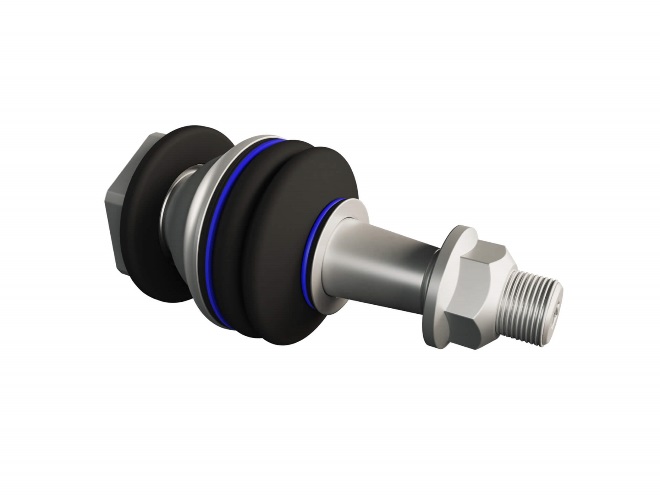
Because they’re subject to extremely high stresses, Delphi link stabilizers feature a larger, surface-hardened steel ball pin, wear-resistant plastic clip-on socket, reinforced link rod and a temperature-resistant, high-performance grease. Together they offer improve load carrying capacity and service life.
Added protection

Given their position, link stabilizers are particularly vulnerable to contamination from dirt and moisture. For reliable protection from this and more, we use sealed, high-grade rubber boots on all our link stabilizers. We also apply an environmentally friendly, water-based cataphoretic coating providing up to 10 years’ corrosion protection.
Rigorous testing
Link stabilizers are subject to massive shock loading, so we conduct tensile strength testing to validate both the product housing and welding strength - applying force through the centre of the housing until breakage occurs. Importantly this is never sooner than the OE.
Three-year warranty – available in UK

Our meticulous approach to product development and testing means you can fit Delphi link stabilizers with confidence. But for added peace of mind, they also come with an extended three-year or 36,000-mile warranty.
The Delphi Difference
-
100 years of OE experience, supplier to the world’s top automakers
-
OE heritage and knowledge built into every aftermarket part
-
Comprehensive portfolio for a wide range of vehicles and model years
-
Streamlined SKUs for easy inventory management
-
Support through tools, tips and training

Related product resources and downloads
Resource Highlights
How do I loosen the track rod if it’s stuck?
First, use a wire brush to remove any rust from the lock nut thread to free up the track rod. If after you’ve removed the ball joint using a ball joint splitter, the track rod is stuck to the thread, it’s common to use an induction heater to loosen it.
Why do I need to count the turns as I remove the track rod?
It’s essential to do this because when you fit the new part you’ll need to count the turns back to make sure it’s exactly in the right position.
What happens if the ratchet keeps spinning?
You need to tighten the new track rod using a ratchet to avoid damage. If you find it’s just spinning and the thread isn’t catching, then you need to apply tension either by putting pressure on top of the joint or by using an Allen key which fits into the centre of the bolt to hold it still, and then use a spanner.
What torque do I set the fittings to?
It’s always best to check the vehicle’s technical data as this can vary and needs to be exactly right.
The correct torque settings can be found on Delphi’s data platform, either directly in your DS diagnostic tool, or at directevolution.com (subscription required)

Visit our Technician Library for access to Documents and Downloads
Get in touch
Find out where to buy Delphi parts