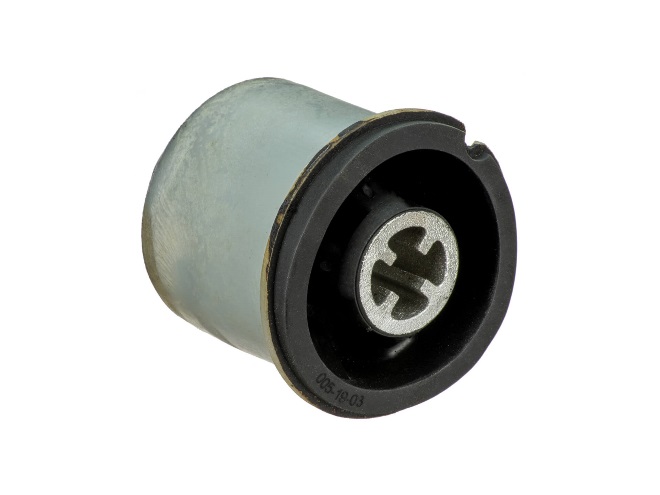
- Product Information
- Product Resources
- Enquire
- Related Products
Broad range
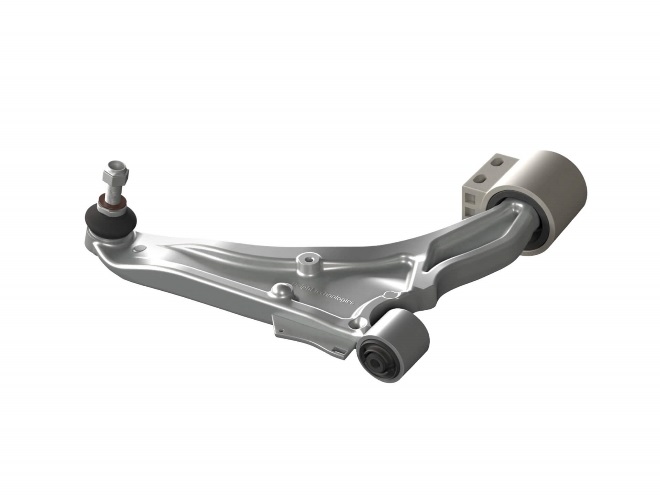
Today’s modern vehicles contain many different rubber-to-metal components, which is why we’re focused on the continued development of our range. Our current line-up includes control arm and suspension mount bushes, anti-roll bar bushes and engine mounts … with more to come.
The right material
Rubber-to-metal components are subject to high dynamic stresses day-in, day-out. And is why we only ever use the highest quality materials. By carefully balancing the precise quantities of steel and rubber, our rubber-to-metal parts provide the optimum combination of strength, flexibility and noise reduction, tailored to the application they fit.
Preparation is key
To ensure a perfect bond between rubber and metal, both materials go through a rigorous cleaning process. All bonding surfaces are washed, sanded, degreased and painted. And that’s just the start.
Super strong bond
For superior mechanical properties, we chemically bond the rubber to a pre-coated metal surface. Under high temperatures and pressure, the adhesive reacts to provide a powerful bond between the rubber and metal part – so much so, that the rubber should tear before the bond breaks.
Pushed to the limit
We know our parts are strong and durable, but just to be sure, we subject them to extensive fatigue testing. We also conduct push tests to check the cohesion of the rubber to metal. As a rule, OE push out levels for bushes are 1000 Nm of pressure minimum. Ours can withstand 1800 Nm.
Three-year warranty

Available in UK only. Like all our steering parts, our rubber-to-metal range comes with a three-year or 36,000-mile warranty. So you can fit Delphi with complete confidence, for an OE quality repair you know will last.
Rubber to Metal Durability Test
- Confirms the integrity of the part design and manufacturing process used to make it.
- After 220,000 test cycles, the Delphi bush remained intact with a small amount of rubber cracking.
- In contrast, one competitor suffered a complete failure of the bonding in less than 30,000 cycles.
- This can result in the failure of the component assembly into which it is installed.
The Delphi Difference
-
100 years of OE experience, supplier to the world’s top automakers
-
OE heritage and knowledge built into every aftermarket part
-
Comprehensive portfolio for a wide range of vehicles and model years
-
Streamlined SKUs for easy inventory management
-
Support through tools, tips and training

Related product resources and downloads
Resource Highlights
In this article you will find out about the best practice advice on strut mount replacement
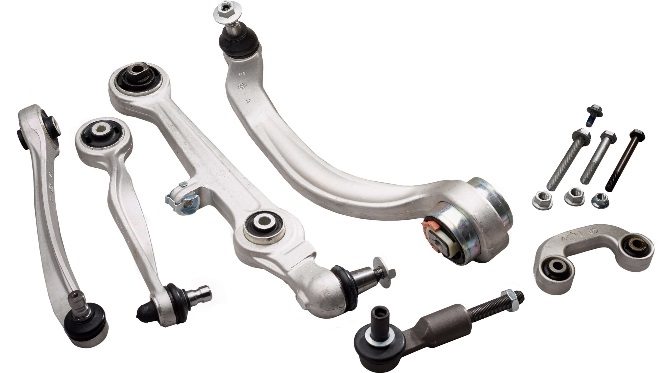
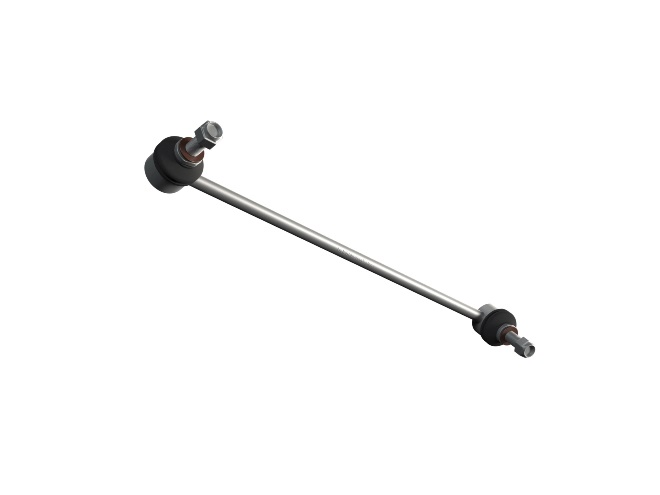
You know that wishbones, ball joints and link stabilizers are all key when it comes to servicing steering and suspension, but what about the top strut mount? Perhaps the unsung hero of any system, it helps to cushion noise and vibration, while also acting as a steering pivot for a smooth and responsive ride.
Since any wear or tear to this part can negatively affect vehicle handling and, in turn, safety, it’s important to know how it should be serviced.
What is a strut mount?
Fitted on cars equipped with Macpherson type struts, the top strut mount attaches the top of the strut to the vehicle’s chassis. Its purpose, however, extends far beyond a simple mount. Indeed the top strut mount has two main roles; it insulates the strut from the vehicle, reducing both noise and vibration. Many front strut mounts also contain a bearing which acts as a steering pivot – so as you turn the steering wheel from left to right and vice versa, the strut pivots on the strut mount, controlling the angle and alignment of the wheels.
Why it fails?
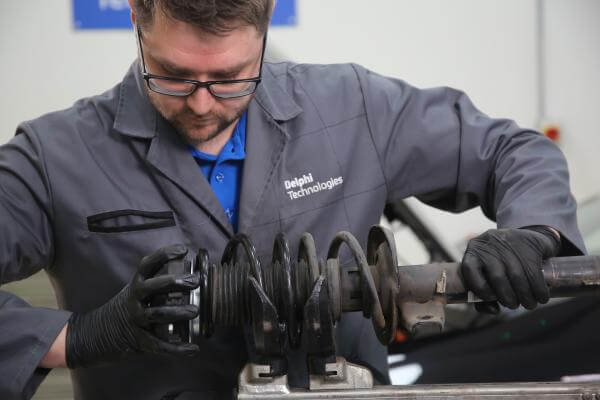
Although top strut mounts are designed to last, they are subject to significant stress day in, day out. Together with the bearing and coil spring they hold the full weight of the vehicle. They are also constantly moving – a typical strut will endure millions of cycles during its lifetime – up to 1750 times for every mile driven on a normal road surface. This constant up and down movement, which is exacerbated by potholes, bumps and curb strikes, pushes and pulls at the mount causing wear overtime. In addition, environmental factors such as ice, water, salt spray, humidity and temperature changes can all cause damage.
Symptoms of a faulty strut mount
Like most other parts, there are a few tell-tale signs of a faulty strut mount. If your customer complains of any of the following, the top strut mount could be at fault:
Abnormal noises coming from the steering and suspension system. For example, clunking when driving over bumps or squeaking when maneuvering at low speed
- Premature and/or uneven tire wear
- Accelerated wear of shock absorbers
- Excessive vibration
- Poor wheel/tire alignment
- Poor steering return
As well as these common symptoms, a good visual inspection will help to identify possible wear or damage. Look for any signs of corrosion, cracks or tears in the rubber, separation from the metal and excessive movement in the strut assembly. Also check the steering pivot to ensure smooth and free rotation.
When to replace?
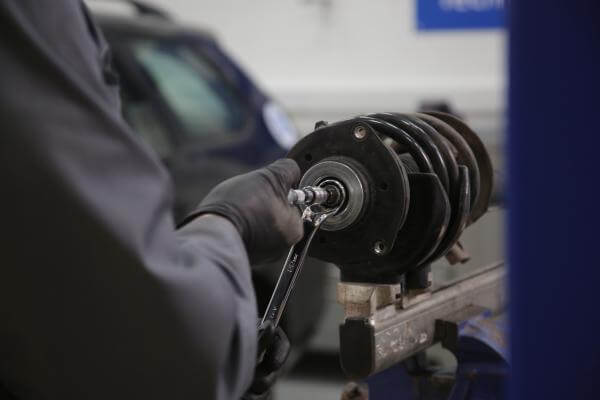
Although not part of the routine service schedule, you should regularly check the top strut mounts and, where necessary, replace in pairs – left and right sides – as soon as possible. As well as affecting steering response and driver comfort, worn or damaged top strut mounts can have a knock-on effect on other parts of the steering and suspension system such as shock absorbers and tires, accelerating wear and causing unnecessary expense for the vehicle owner.
Also, because the top strut mount is essentially a low-cost part, in what is often a very labor intensive process, it makes sense to fit new ones whenever you’re replacing the struts. Either way, in most cases, you’ll have to remove the strut and decompress the coil spring, so it could save you from having to do the same job twice.
Why replace in pairs?
Because top strut mounts will typically endure the same number of miles and road conditions, chances are if one side is worn, the other will be too. It's therefore advisable to replace in pairs – left and right side. Doing this will ensure their performance is evenly matched across the axle for a balanced ride height and equally responsive steering and handling. An imbalance on either side could impact both chassis and wheel movement, ultimately compromising the vehicle’s handling.
Top strut mount replacement can be a lengthy process, but by following the best practice advice shown in the video below Delphi can help to make it as seamless and ‘pain-free’ as possible:
Read more about our top strut mount programme.

Register to our Technician portal for access to downloads & additional services
Get in touch
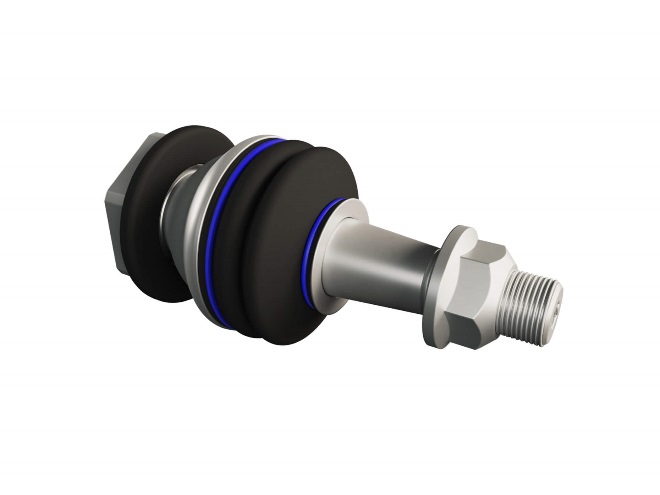
Find out where to buy Delphi parts