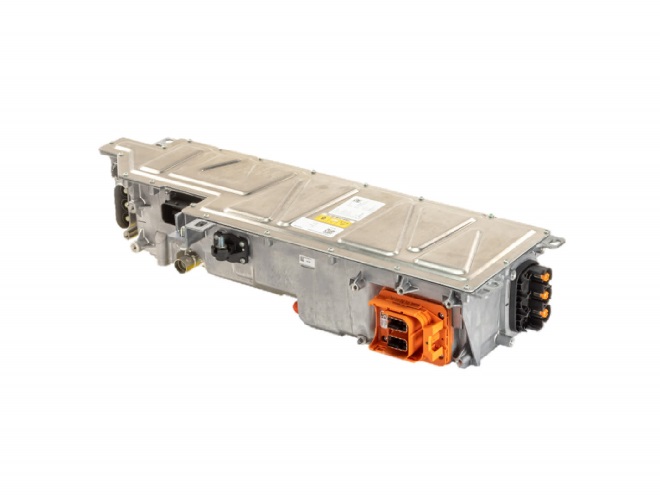
- Product Information
- Product Resources
- Enquire
- Related Products
OE Part Number | Applications | DT Part Number |
12368487431 | BMW 225XE (F45) , X1 (F49), M5 Sedan (F60) | PFV10000-12B1 |
What is the difference between an inverter and DC/DC converter in an electric vehicle?
Much like how internal combustion engines and alternators work together on conventional vehicles, hybrid cars and electric motors use inverters and converters to manage power to and from the battery pack to the motors and other on-board systems.
Inverters transform direct current (DC) from the battery into alternating current (AC) to power the vehicle. Inverters also control the motor and convert it to a generator, transferring braking energy back into the battery.
Converters control the DC voltage from the battery, either stepping it up or down based on the system and the power needed. DC/DC converters usually step down the high voltage from the battery pack to the 12-volts used by radios, headlights, and more.
An OE solution for aftermarket power electronics
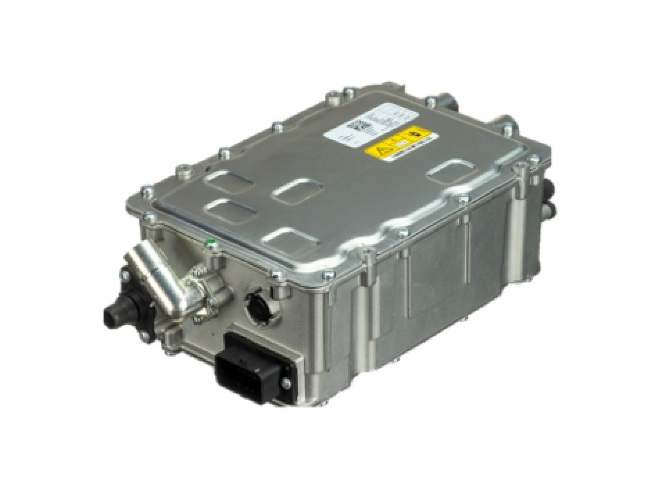
Inverters and converters work together to manage the vehicle's electric drive and accessory systems. However, many of today’s inverters and converters can be complex, expensive, and prone to failure from excessive heat. They are also heavy and take up a lot of room on the vehicle, compromising both trunk and passenger compartment space. Delphi OE solution combines the inverter and DC/DC converter into one unit.
Delphi CIDD is cost-effective and saves vital weight and space in hybrids (HEV), plug-in hybrid electric (PHEV), and electric vehicles (EV). And by leveraging patented OE technology - Viper-enabled inverter’s double-sided cooling - it tackles the issue of overheating, allowing higher power outputs from a smaller package and increased range.
Combined Inverter and DC/DC Converter (CIDD)
- Enhances durability and reliability through features designed to withstand under the hood and environmental factors such as debris and temperature extremes.
- Improves voltage distribution functionality, enabling both low-side and high-side power for everything from headlights to power steering and air conditioning systems.
- Provides maximum packaging flexibility and space savings by moving the DC/DC unit from its standard location in the rear to the front of the vehicle.
- Enables better power range and minimizing power losses through the elimination of cabling, cooling hoses, connections, and housings, all while simplifying maintenance and repair.
To learn more about OE quality aftermarket EV parts you can trust, contact your Delphi representative today.
The Delphi Difference
-
100 years of OE experience, supplier to the world’s top automakers
-
OE heritage and knowledge built into every aftermarket part
-
Comprehensive portfolio for a wide range of vehicles and model years
-
Streamlined SKUs for easy inventory management
-
Support through tools, tips and training

Related product resources and downloads
Resource Highlights
Make | Model | System |
Renault | 1.5 K9K (08-10) | Diesel systems |
Microdiesel | EGR valve statusThis function allows the EGR status to be read and the operation of the valve to be checked. The EGR valve status is indicated in a list with a status number. |
IFR-50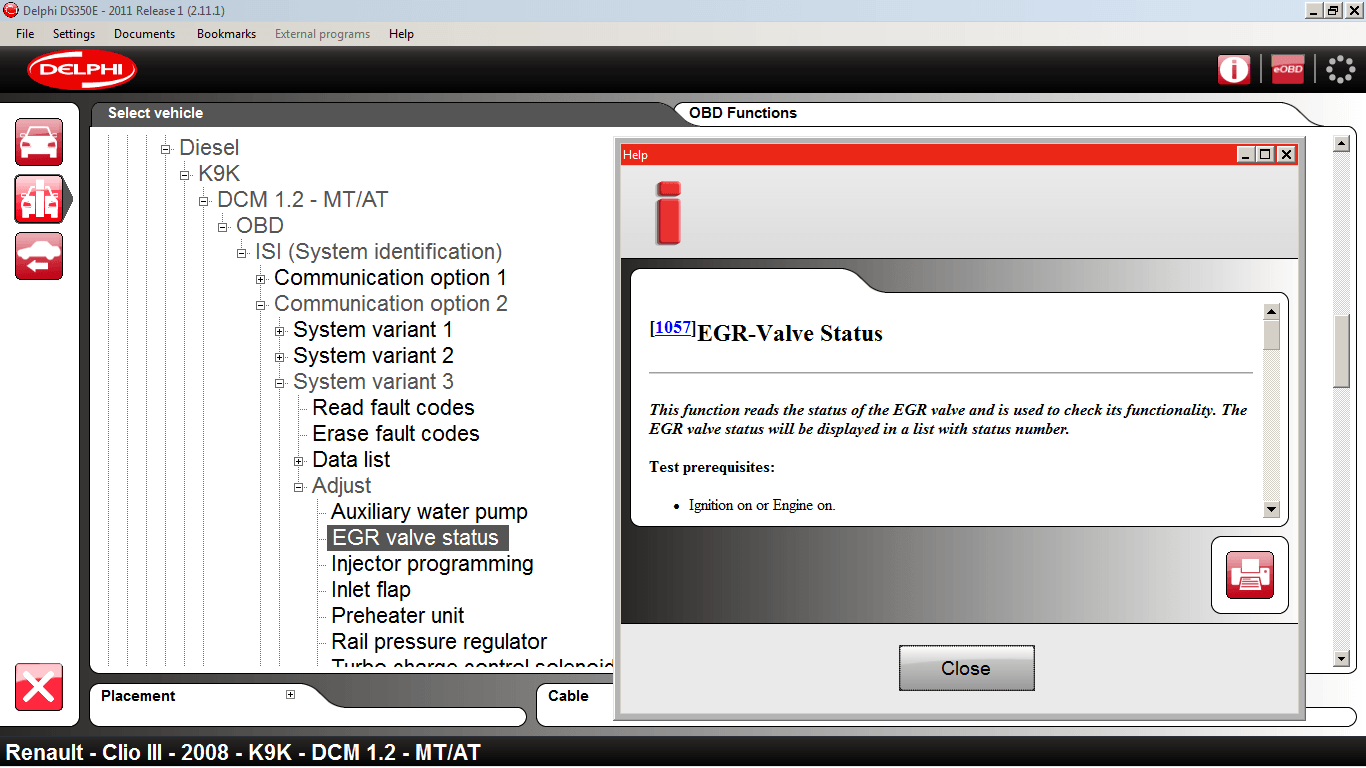 | Test preconditions
Procedure
|
Background Check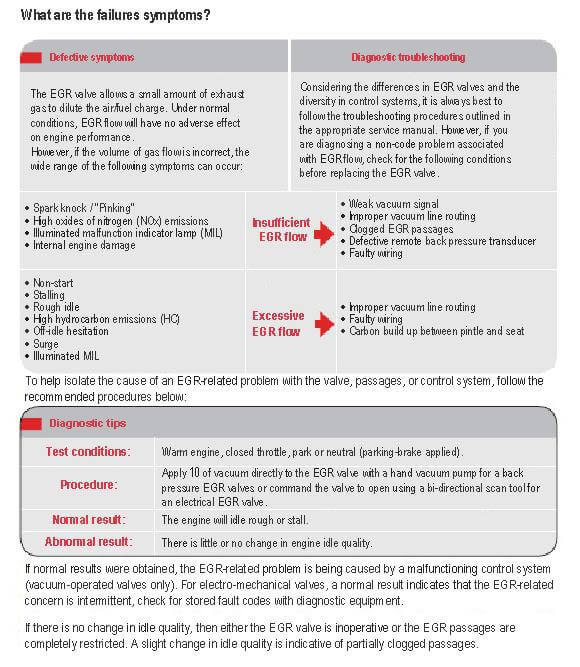 | List the parameters :Use this list to compare with the indicated value. STATUS : NoneNo EGR shutoff, the EGR operates normally according to the DCU programming. STATUS : 1, 5, 6, 7, 9, 10, 12, 13, 15, 19, 23, 24Switch off the ignition and wait for 1 minute. Switch the ignition on and check for faults. Check the battery voltage, engine stopped and engine running. If there is no fault code flagged or memorised, restart the vehicle and check the idle speed. Do not rev the engine to not run it too fast. STATUS : 3, 14, 16Accelerate to above idle for a few seconds. STATUS : 2Check that the clutch pedal is fully up and that the vehicle is stationary. STATUS : 4, 17Check for any fault codes present and recorded and correct them. STATUS : 8Reset the EGR offsets by using the command “Programming reset" and select "EGR valve". STATUS : 11, 22Allow the engine temperature to rise until the out of service setting disappears. STATUS : 18Check that the DPF regeneration running has been fully completed. STATUS : 20Allow the engine temperature to fall until the out of service setting disappears. STATUS : 21Atmospheric pressure too low, the EGR valve is deactivated To help isolate the cause of an EGR-related problem with the valve, passages, or control system, follow the recommended procedures below: If normal results were obtained, the EGR-related problem is being caused by a malfunctioning control system (vacuum-operated valves only). For electro-mechanical valves, a normal result indicates that the EGR-related concern is intermittent, check for stored fault codes with diagnostic equipment. If there is no change in idle quality, then either the EGR valve is inoperative or the EGR passages are completely restricted. A slight change in idle quality is indicative of partially clogged passages. |
AVM2-PC | Replacing the EGR valve
|
IHM1000 Microdiesel |
|

Visit our Technician Library for access to Documents and Downloads
Get in touch
Find out where to buy Delphi parts