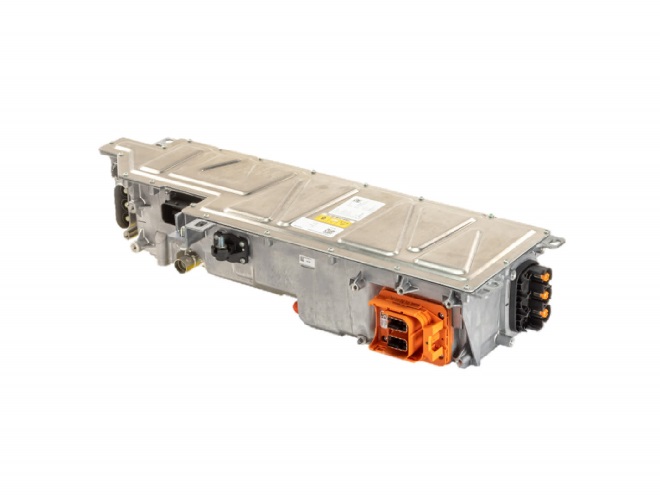
- Product Information
- Product Resources
- Enquire
- Related Products
OE Part Number | Applications | DT Part Number |
12368487431 | BMW 225XE (F45) , X1 (F49), M5 Sedan (F60) | PFV10000-12B1 |
What is the difference between an inverter and DC/DC converter in an electric vehicle?
Much like how internal combustion engines and alternators work together on conventional vehicles, hybrid cars and electric motors use inverters and converters to manage power to and from the battery pack to the motors and other on-board systems.
Inverters transform direct current (DC) from the battery into alternating current (AC) to power the vehicle. Inverters also control the motor and convert it to a generator, transferring braking energy back into the battery.
Converters control the DC voltage from the battery, either stepping it up or down based on the system and the power needed. DC/DC converters usually step down the high voltage from the battery pack to the 12-volts used by radios, headlights, and more.
An OE solution for aftermarket power electronics
Inverters and converters work together to manage the vehicle's electric drive and accessory systems. However, many of today’s inverters and converters can be complex, expensive, and prone to failure from excessive heat. They are also heavy and take up a lot of room on the vehicle, compromising both trunk and passenger compartment space. Delphi OE solution combines the inverter and DC/DC converter into one unit.
Delphi CIDD is cost-effective and saves vital weight and space in hybrids (HEV), plug-in hybrid electric (PHEV), and electric vehicles (EV). And by leveraging patented OE technology - Viper-enabled inverter’s double-sided cooling - it tackles the issue of overheating, allowing higher power outputs from a smaller package and increased range.
Combined Inverter and DC/DC Converter (CIDD)
- Enhances durability and reliability through features designed to withstand under the hood and environmental factors such as debris and temperature extremes.
- Improves voltage distribution functionality, enabling both low-side and high-side power for everything from headlights to power steering and air conditioning systems.
- Provides maximum packaging flexibility and space savings by moving the DC/DC unit from its standard location in the rear to the front of the vehicle.
- Enables better power range and minimizing power losses through the elimination of cabling, cooling hoses, connections, and housings, all while simplifying maintenance and repair.
To learn more about OE quality aftermarket EV parts you can trust, contact your Delphi representative today.
The Delphi Difference
-
100 years of OE experience, supplier to the world’s top automakers
-
OE heritage and knowledge built into every aftermarket part
-
Comprehensive portfolio for a wide range of vehicles and model years
-
Streamlined SKUs for easy inventory management
-
Support through tools, tips and training

Related product resources and downloads
Resource Highlights
What are Oxides of Nitrogen (NOx) sensors?
A NOx sensor is fitted to vehicles to ensure they are compliant with emissions regulations. The sensor monitors the levels of oxides of nitrogen that a vehicle emits. They are especially essential for diesel vehicles as they work with the Selective Catalytic Reduction (SCR) system to control the output.
For a more in-depth explanation, take a look at our handy explainer.
How long do NOx sensors last?
NOx sensors are delicate, precision instruments. That said, they are designed to be robust as they have to operate in extremely inhospitable environments. Unfortunately, this doesn’t mean that they last forever and failures can depend on a number of factors, meaning there is no definitive mileage or time interval when failures are to be expected.
The causes of NOx sensor failure
As with many engine components, there can be multiple reasons why a NOx sensor stops working the way it should. Let’s take a look at some of the most common causes.
Mechanical damage
It can be surprisingly easy to damage a NOx sensor. They are designed to be robust, however the measuring element of the sensor is made from a thin, ceramic plate. So if this fragile component gets cracked or broken, it won’t work properly. What can cause this damage? Any significant knocks or impacts, including being hit by a loose stone when driving over rocky terrain.
Leaky injectors
If an injector is leaking, unburned fuel gets into the exhaust and can get ignited. If the vehicle is also experiencing cylinder misfires, oxygen can get into the exhaust to cause further burning or even an explosion. This will not only damage the NOx sensor, but will put the entire engine at risk.
Temperature fluctuations
Rapid temperature changes can lead to thermal shock and the sensor being damaged. Remember, the NOx sensor operates near the exhaust which is hundreds of degrees hot. So if the vehicle drives through an icy puddle or snow, especially at high speeds, the temperature can drop suddenly leading to damage.
Incompatible engine additives
Engine additives are marketed as improving aspects of the engine – whether that’s cleaning valves, reducing exhaust gasses, or improving performance. However, some can be highly damaging and can cause all manner of issues, including leading to injector leaks that will burn the NOx sensors.
Higher oil consumption
If there is too much oil in the engine, much of it will get burned. This burnt oil will then settle in the exhaust, damaging nearby sensors. If the vehicle is consuming more oil than normal, it’s also best to find the cause instead of topping up too much.
Water damage
Water can get into the exhaust in a number of ways – driving in rainy conditions or through a ford for example. But water can also form in the exhaust naturally as a side product of the CO catalytic converter condensing air moisture. This water can then corrode the NOx sensor itself, or the plugs that connect it. To prevent this from happening, avoid driving in deep water and also help the condensed air dry out by driving over longer distances.
Buildup of dirt
In the exhaust system, dirt and soot can naturally accumulate from the combustion process. This can coat the sensor, so it can’t measure the gas accurately. Soot is also an abrasive, meaning that it can corrode and damage the sensor over time.
What happens when a NOx sensor fails?
There are a few tell-tale symptoms for NOx sensor failure. These include:
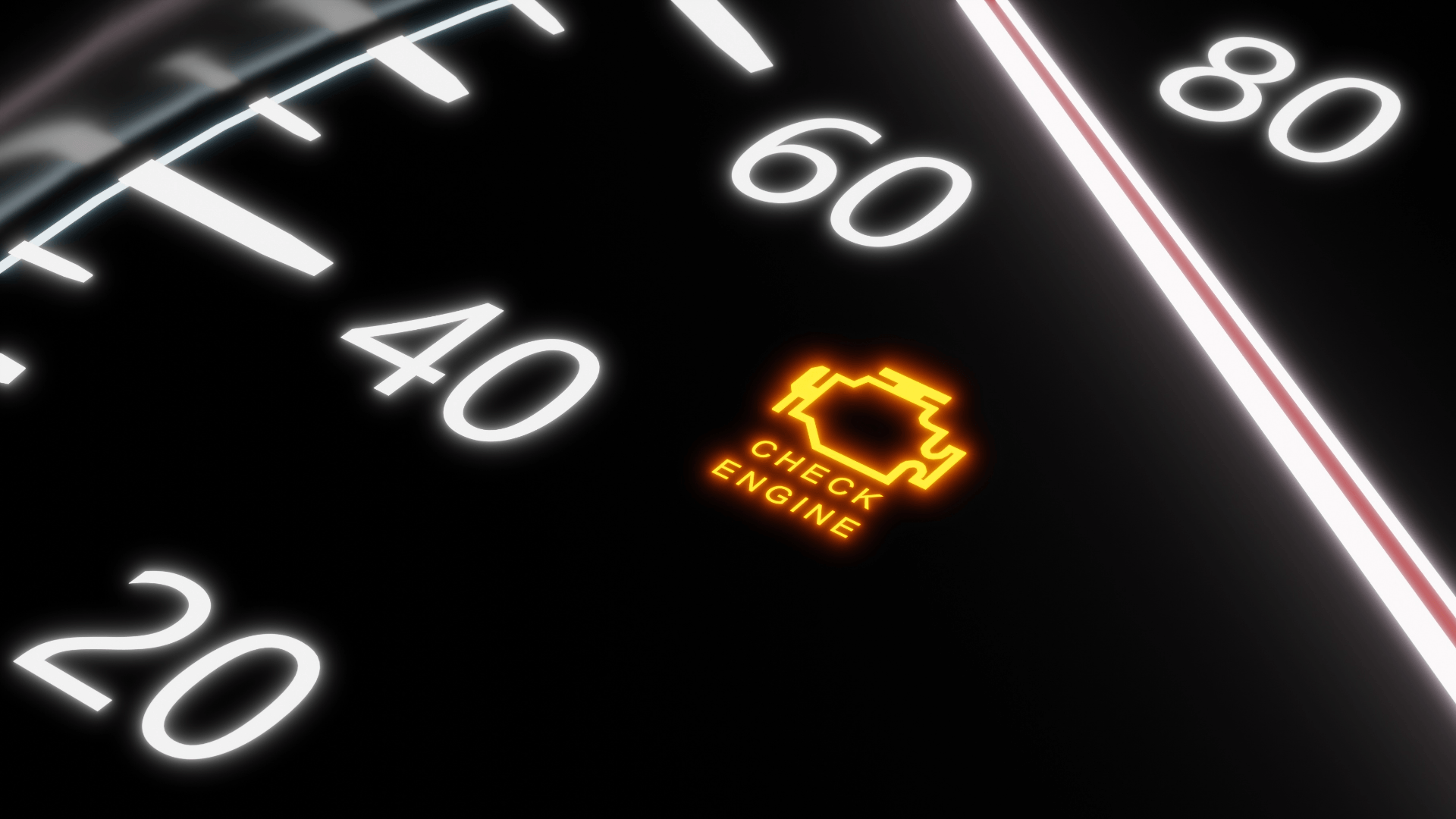
- engine warning light illumination
- increased fuel consumption
- reduced power
- going into limp mode
- reduced acceleration
- reduced performance
As soon as any of these symptoms are noticed, it’s best to get the vehicle straight to a workshop. A diagnostic tool such as Delphi's BlueTech VCI can scan the vehicle’s ECU for error codes to identify if the symptoms are being caused by a faulty NOx sensor.
To get a step-by-step guide as to how to replace a failing NOx sensor, check out our handy guide.
Can a faulty NOx sensor fail a vehicle in a roadworthiness test?
NOx sensors are not themselves tested in an MOT or other type of roadworthiness test. However, if an issue with the NOx sensor causes the engine warning light to go on, the vehicle would fail a test on that basis.
What to do when a NOx sensor fails?
When a NOx sensor fails, a number of things can happen. Engine warning lights will mostly likely become illuminated on the dashboard as the SCR system reports faults. Depending on the severity of the failure, the engine may go into limp mode.
As soon as these symptoms start, its best to take the vehicle straight to a workshop or garage where the sensor can be tested to see if it is causing the problems. Check out our guide to how to test a NOx sensor for further info.
Choose Delphi for quality parts and expert support as your trusted aftermarket partner.

Visit our Technician Library for access to Documents and Downloads
Get in touch

Find out where to buy Delphi parts