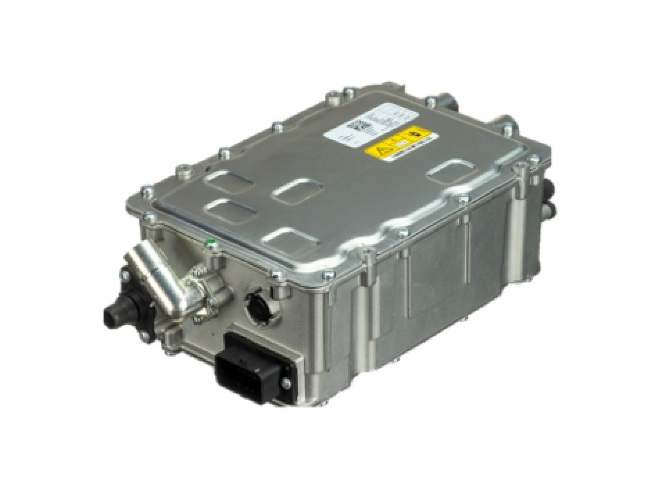
- Product Information
- Product Resources
- Enquire
- Related Products
OE Part Number | Applications | DT Part Number |
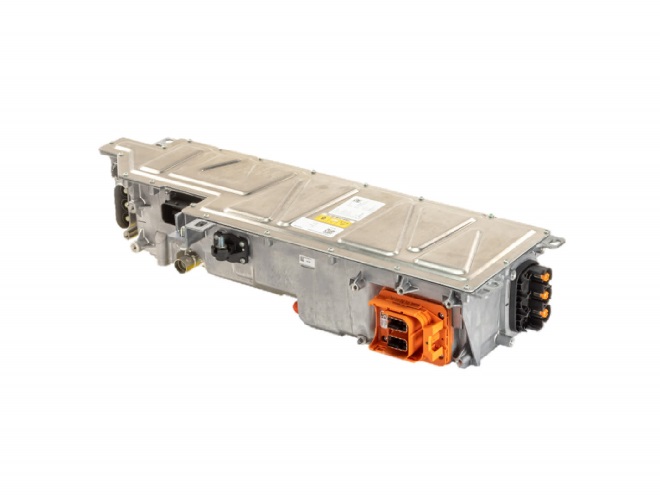
61449456002 | BMW/MINI 225XE (F45) , X1 (F49), X5 (F15) | PHV10000-12B1 |
What is an onboard charger for an electric vehicle?
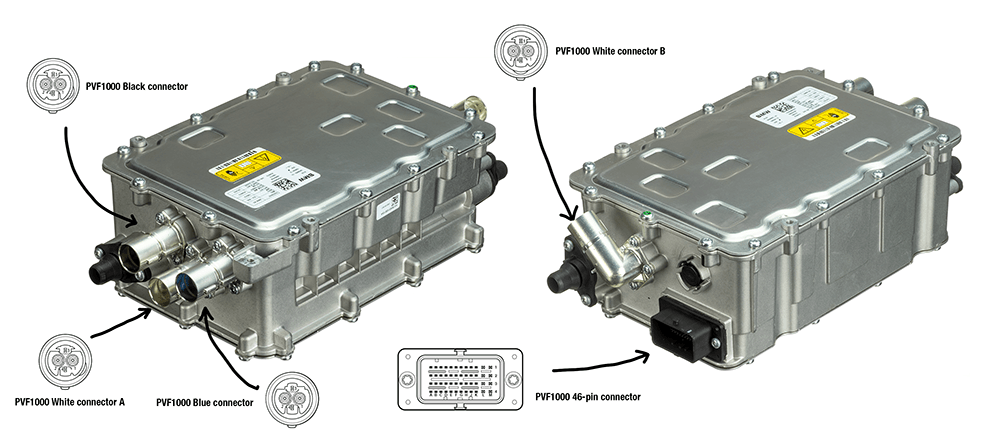
Unlike internal combustion engines, plug-in hybrid electric vehicles (PHEV) and battery electric vehicles (BEV) use an electric traction motor to drive the vehicle’s wheels. The onboard charger charges the traction battery pack, and the energy stored in the battery is then used to power the electric motor.
When an electric vehicle is plugged into a household outlet or a level 2 charger, the charging cable pulls alternating current (AC) from the power grid and sends it to the onboard charger. In order to store the electric power in the battery, the onboard charger must then convert AC to direct current (DC).
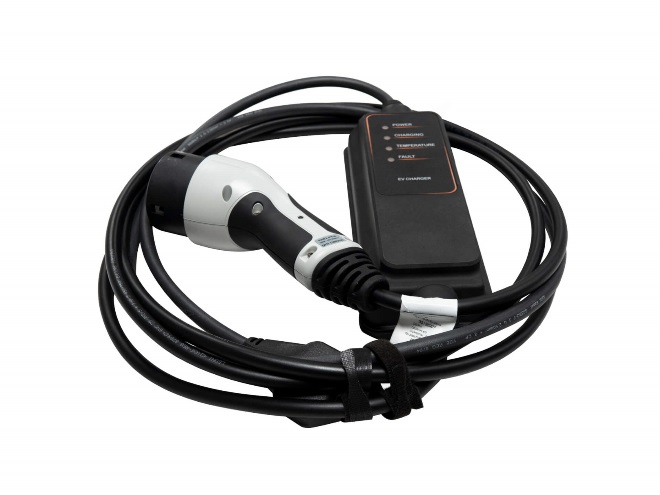
To learn more about electric vehicle charging at home-> Visit our Mode 2 charging cables product page.
Additionally, the onboard charger monitors voltage, current, temperature, and state of charge while charging for the safety of the electrical system and the driver.
To learn more about OE quality aftermarket EV parts you can trust, contact your Delphi representative today.
The Delphi Difference
-
100 years of OE experience, supplier to the world’s top automakers
-
OE heritage and knowledge built into every aftermarket part
-
Comprehensive portfolio for a wide range of vehicles and model years
-
Streamlined SKUs for easy inventory management
-
Support through tools, tips and training

Related product resources and downloads
Resource Highlights
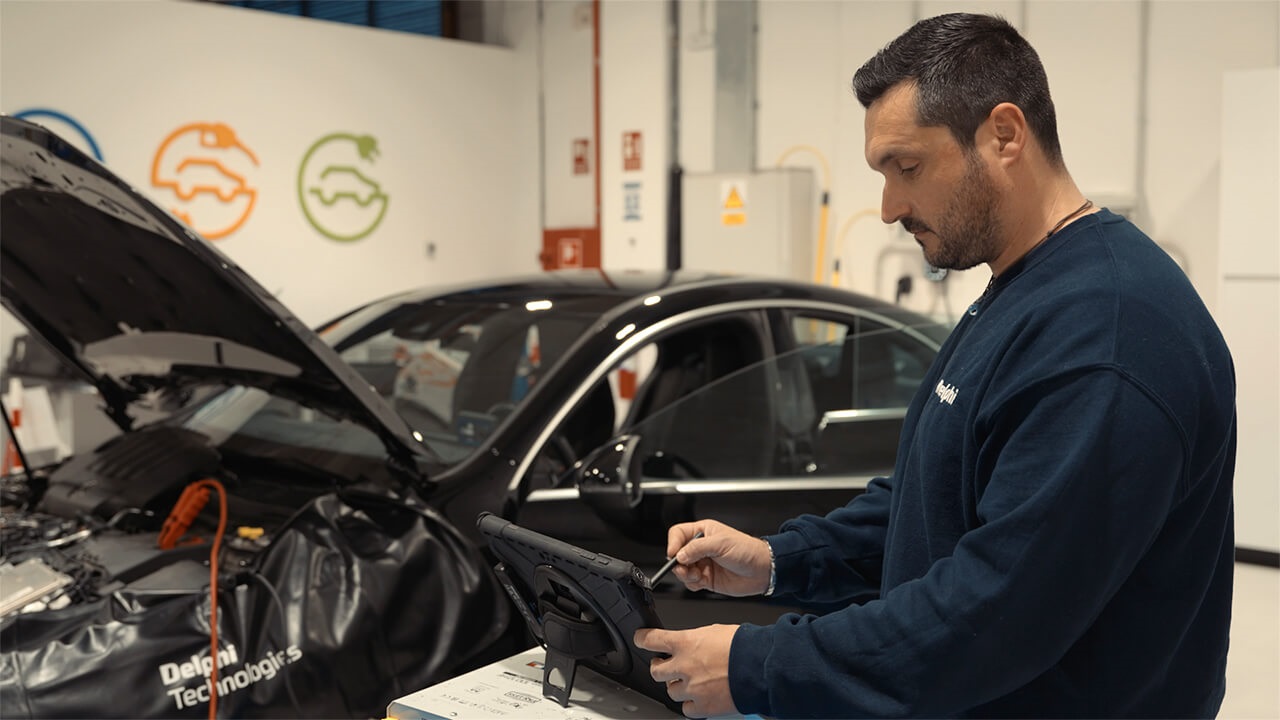
Here we’re looking at how to adapt a low-pressure EGR valve after it’s been placed in a diesel vehicle.
The process is straightforward enough, but you’ll need your Delphi BlueTech diagnostic tool handy.
We walk you through the correct procedure step by step, from checking for fault codes to a final road test.
In this video we’ll show you how to:
Check for fault codes in the engine ECU
- Use the software
- Check and clear any errors
- Complete a dynamic road test, and recheck the ECU
What is an EGR valve, and what does it do?
The exhaust gas recirculation valve, or EGR valve for short, recirculates finely metered quantities of exhaust gas to the engine intake system. This delivers increased engine efficiency, reduced fuel consumption and lower NOx emissions.
What can cause an EGR valve to fail?
EGR valves operate in a hostile environment. Over time, they’ll experience wear and tear. The single biggest cause of failure, though, is the buildup of carbon particles from the exhaust gases along the EGR and intake system passages. Over time this will clog tubes, exhaust gas channels and eventually the valve’s plunger mechanism, causing it to either stick open or close. Failures can also be caused by a rupture or leak in the valve diaphragm.
How can you recognize a failing EGR valve?
- Check engine light: as with most engine management components, a problem with the EGR valve may trigger the check engine light.
- Engine performance: if the valve is stuck open, the vehicle’s air-fuel ratio will be disrupted causing engine performance issues such as reduced power, poor acceleration and rough idle. It may also produce turbo boost pressure leaks, causing the turbo to work harder.
- Increased NOx emissions: when the EGR valve remains shut, the high temperatures in the combustion chamber that result will leave a lot of unburned fuel in the exhaust, leading to increased NOx emissions and reduced fuel efficiency.
- Engine knock: the higher temperatures and NOx may also result in increased detonation or knock. You’ll be able to hear this as a knocking noise in the engine.

Visit our Technician Library for access to Documents and Downloads
Get in touch
Find out where to buy Delphi parts