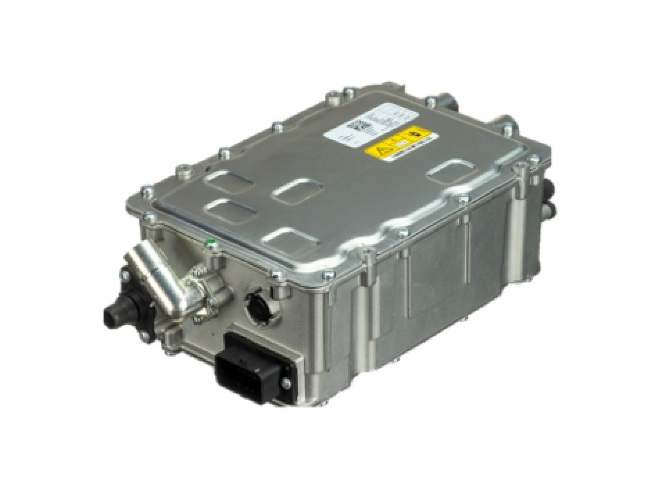
- Product Information
- Product Resources
- Enquire
- Related Products
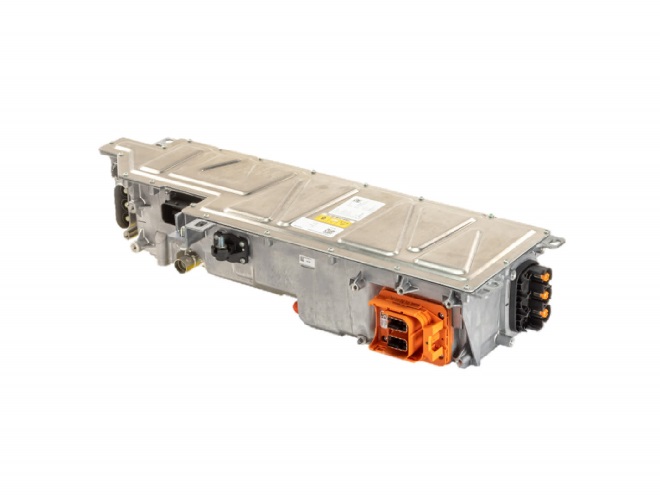
OE Part Number | Applications | DT Part Number |
61449456002 | BMW/MINI 225XE (F45) , X1 (F49), X5 (F15) | PHV10000-12B1 |
What is an onboard charger for an electric vehicle?
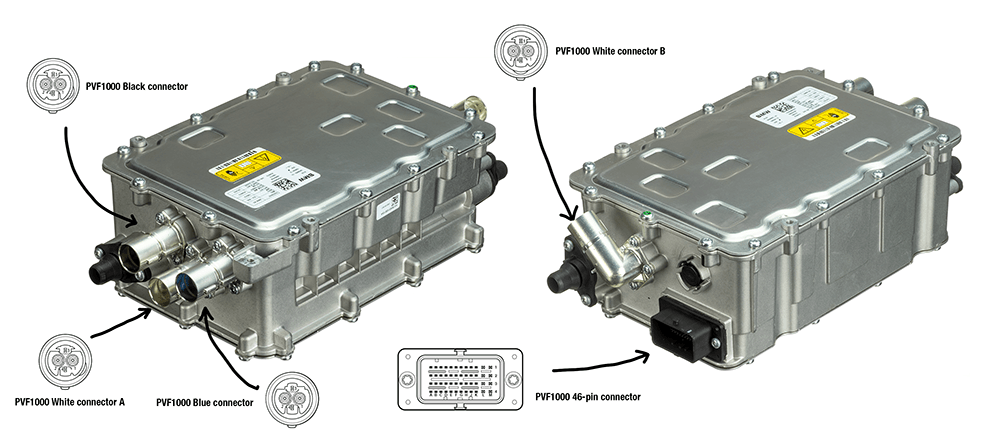
Unlike internal combustion engines, plug-in hybrid electric vehicles (PHEV) and battery electric vehicles (BEV) use an electric traction motor to drive the vehicle’s wheels. The onboard charger charges the traction battery pack, and the energy stored in the battery is then used to power the electric motor.
When an electric vehicle is plugged into a household outlet or a level 2 charger, the charging cable pulls alternating current (AC) from the power grid and sends it to the onboard charger. In order to store the electric power in the battery, the onboard charger must then convert AC to direct current (DC).
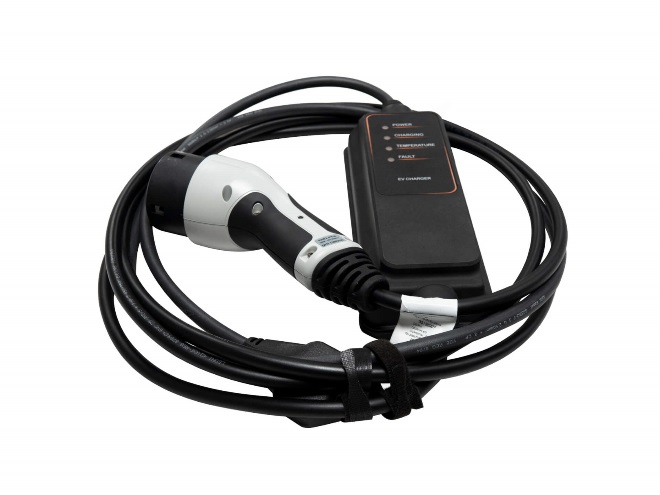
To learn more about electric vehicle charging at home-> Visit our Mode 2 charging cables product page.
Additionally, the onboard charger monitors voltage, current, temperature, and state of charge while charging for the safety of the electrical system and the driver.
To learn more about OE quality aftermarket EV parts you can trust, contact your Delphi representative today.
The Delphi Difference
-
100 years of OE experience, supplier to the world’s top automakers
-
OE heritage and knowledge built into every aftermarket part
-
Comprehensive portfolio for a wide range of vehicles and model years
-
Streamlined SKUs for easy inventory management
-
Support through tools, tips and training

Related product resources and downloads
Resource Highlights
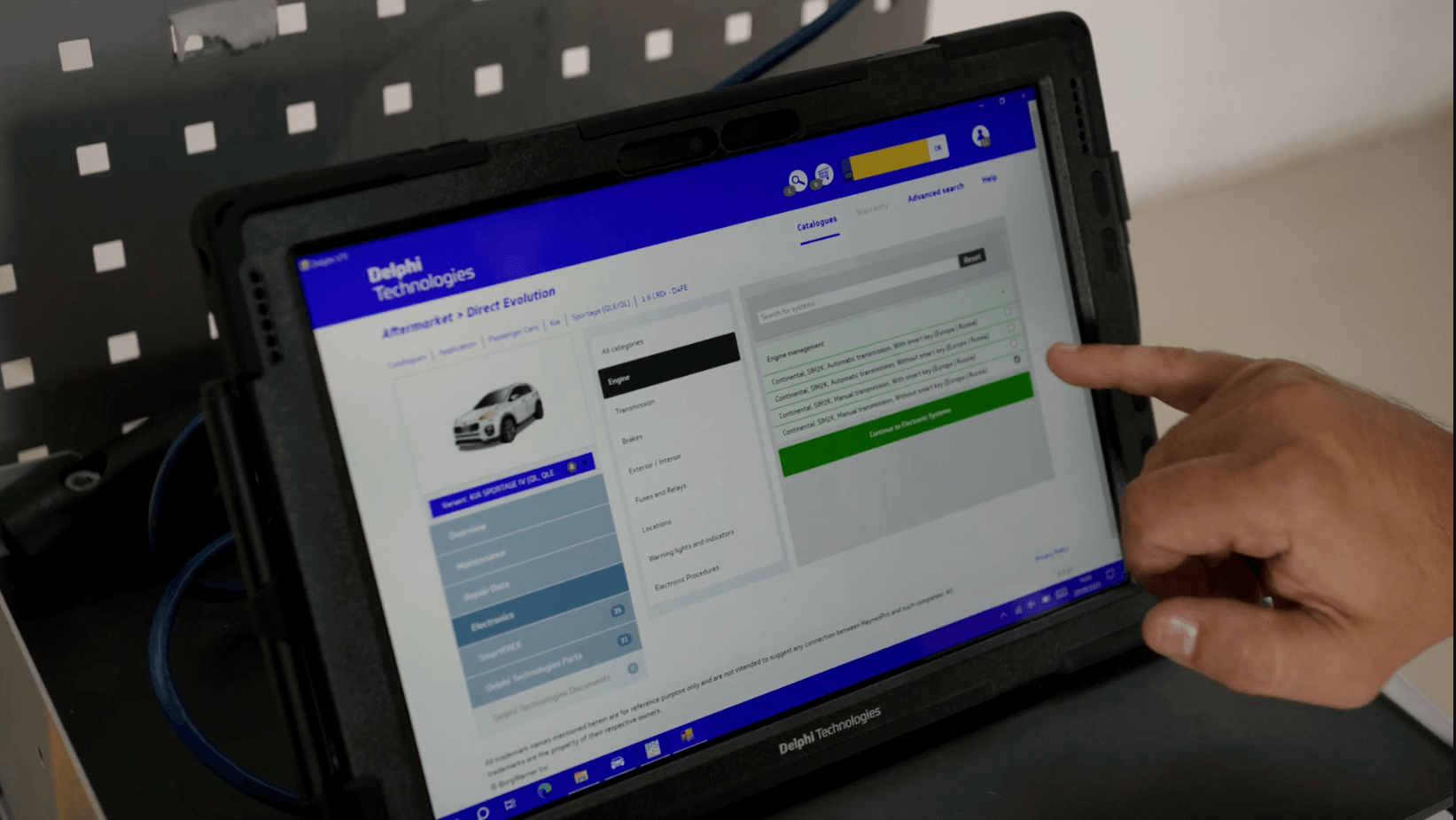
A vehicle’s NOx sensor is one of the most complex pieces of kit you’ll come across. They’re tricky to test and difficult to diagnose. But in a few simple steps you’ll be able to pinpoint potential issues with a quick NOx sensor check.
Find out if a vehicle’s NOx sensor is the cause of engine issues with some pointers from the Delphi experts. Watch our video to discover:
What to look for on the wiring diagram
Which tests to perform for a quick diagnosis
How to operate the diagnostic tools you’ll need
How often do NOx sensors go bad?
NOx sensors don’t have an expected lifespan, as each individual vehicle and set of driving conditions can have different effects on the performance of the sensor. However, a NOx sensor is a relatively delicate piece of kit, which means it may need attention at some point.
Can you repair a NOx sensor?
NOx sensors cannot be repaired as they are a complex component, with multiple measurement chambers. For NOx sensors you must diagnose, test, and replace.
Can a NOx sensor be cleaned?
We would not recommend cleaning the NOx sensor due to its sensitivity. Replacing a NOx sensor would be the preferred course of action if dirt is clogging up the sensor.
Can I drive with a bad/faulty NOx sensor?
No. A faulty NOx sensor may prevent the engine from maintaining its emission standards at an acceptable level, or in more extreme circumstances prevent the engine from starting at all. With a bad NOx sensor the vehicle is likely to go into Limp Mode, which should indicate there’s an issue with the engine to be addressed as soon as possible.
Is a NOx sensor the same as a lambda sensor?
No, the two components are not the same. A NOx sensor is used to measure the levels of oxides of nitrogen being emitted, while the lambda sensor is used to measure the amount of oxygen present in the exhaust gas.

Visit our Technician Library for access to Documents and Downloads
Get in touch
Find out where to buy Delphi parts