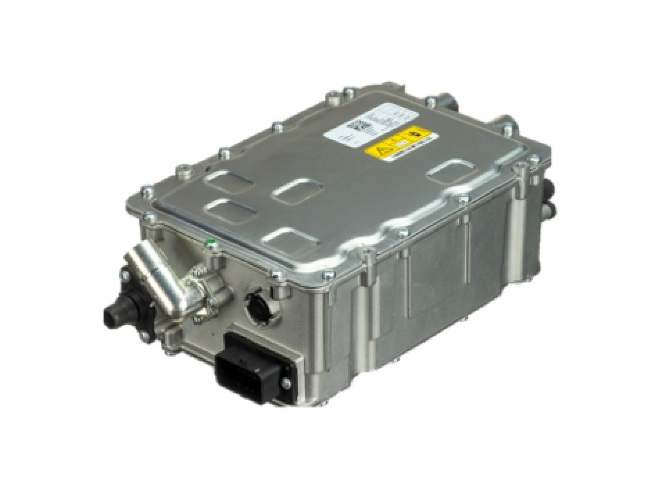
- Product Information
- Product Resources
- Enquire
- Related Products
OE Part Number | Applications | DT Part Number |
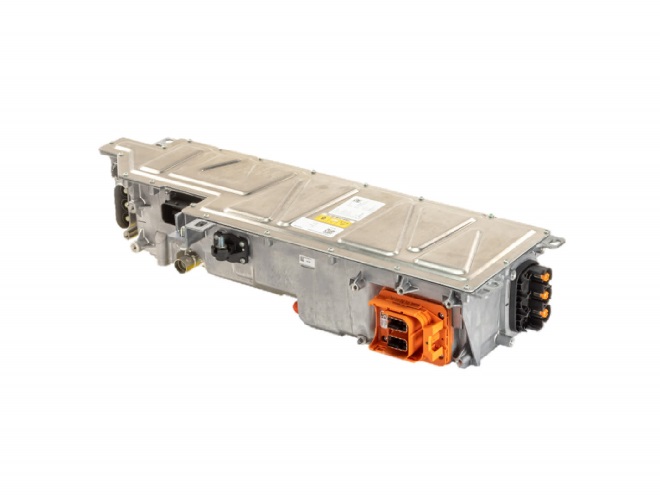
61449456002 | BMW/MINI 225XE (F45) , X1 (F49), X5 (F15) | PHV10000-12B1 |
What is an onboard charger for an electric vehicle?
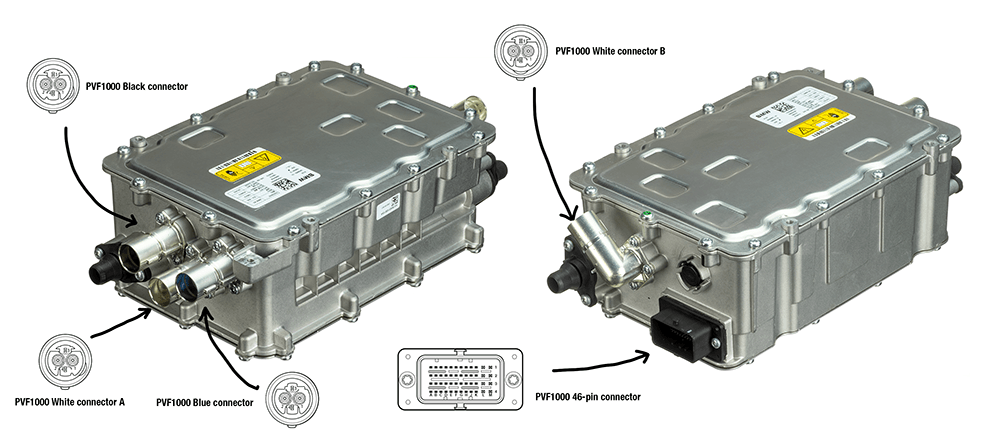
Unlike internal combustion engines, plug-in hybrid electric vehicles (PHEV) and battery electric vehicles (BEV) use an electric traction motor to drive the vehicle’s wheels. The onboard charger charges the traction battery pack, and the energy stored in the battery is then used to power the electric motor.
When an electric vehicle is plugged into a household outlet or a level 2 charger, the charging cable pulls alternating current (AC) from the power grid and sends it to the onboard charger. In order to store the electric power in the battery, the onboard charger must then convert AC to direct current (DC).
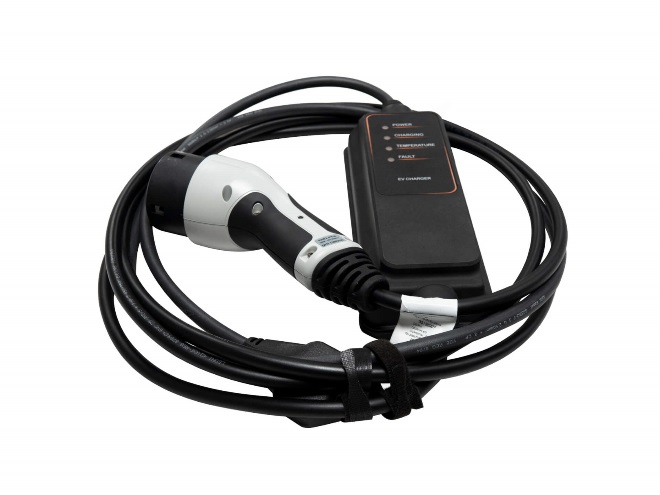
To learn more about electric vehicle charging at home-> Visit our Mode 2 charging cables product page.
Additionally, the onboard charger monitors voltage, current, temperature, and state of charge while charging for the safety of the electrical system and the driver.
To learn more about OE quality aftermarket EV parts you can trust, contact your Delphi representative today.
The Delphi Difference
-
100 years of OE experience, supplier to the world’s top automakers
-
OE heritage and knowledge built into every aftermarket part
-
Comprehensive portfolio for a wide range of vehicles and model years
-
Streamlined SKUs for easy inventory management
-
Support through tools, tips and training

Related product resources and downloads
Resource Highlights
What are the types of connectors for charging an EV vehicle?
There are four connectors for electrical vehicle charging: Type 1, Type 2, CCS and CHAdeMO. Type 1 and Type 2 are generally used when slow charging the vehicle from an AC power source. CCS and CHAdeMO are used when fast charging the vehicle from a DC power source.
There are some exceptions to this, for example some older models of the Renault ZOE use a Type 2 connector to fast charge. There are adapters on the market to allow some flexibility in what chargers the vehicle can connect to.
Which types of charging connectors are most common in Europe?
Generally, European vehicles will have two charging ports that use Type 2 (for slow charging) and CCS connectors (for fast charging). Most Asian application vehicles use a Type 1 and CHAdeMO. Some Asian vehicle manufactures may have a hybrid combination, to make the vehicle more suited for the European market. For example, switching out a Type 1 for a Type 2, but retaining the CHAdeMO connector.
What is a common cause of an EV vehicle not fast charging?

Visit our Technician Library for access to Documents and Downloads
Get in touch

Find out where to buy Delphi parts