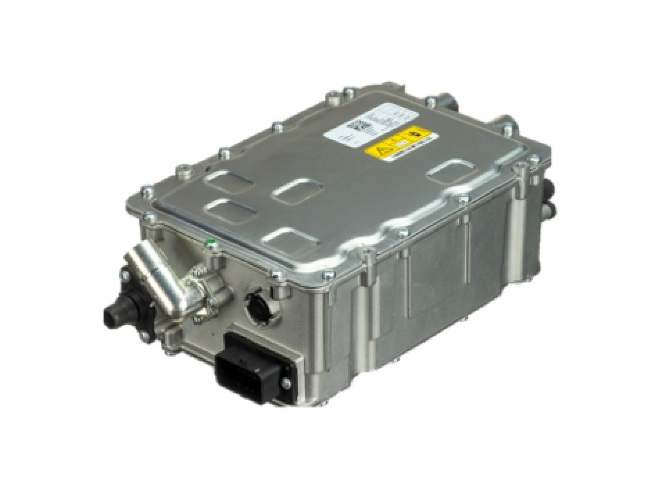
- Product Information
- Product Resources
- Enquire
- Related Products
OE Part Number | Applications | DT Part Number |
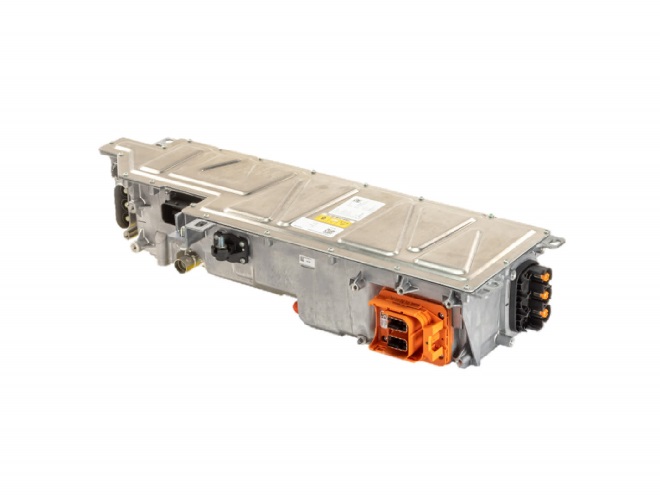
61449456002 | BMW/MINI 225XE (F45) , X1 (F49), X5 (F15) | PHV10000-12B1 |
What is an onboard charger for an electric vehicle?
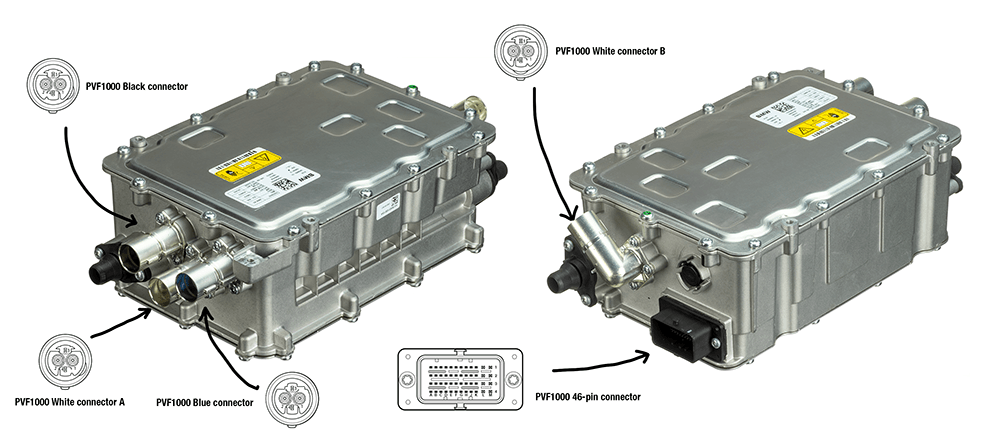
Unlike internal combustion engines, plug-in hybrid electric vehicles (PHEV) and battery electric vehicles (BEV) use an electric traction motor to drive the vehicle’s wheels. The onboard charger charges the traction battery pack, and the energy stored in the battery is then used to power the electric motor.
When an electric vehicle is plugged into a household outlet or a level 2 charger, the charging cable pulls alternating current (AC) from the power grid and sends it to the onboard charger. In order to store the electric power in the battery, the onboard charger must then convert AC to direct current (DC).
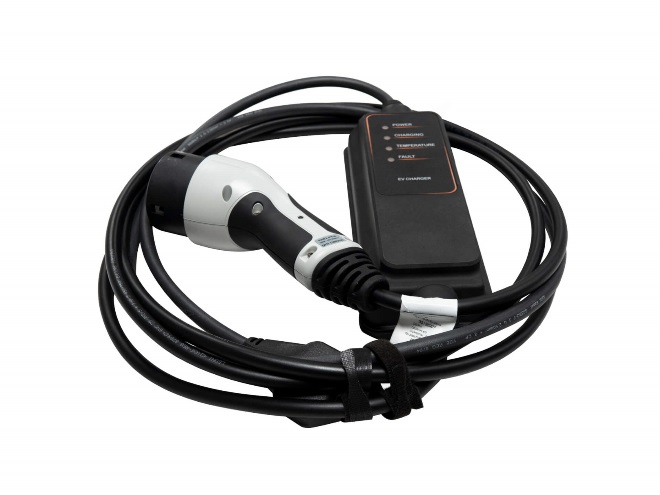
To learn more about electric vehicle charging at home-> Visit our Mode 2 charging cables product page.
Additionally, the onboard charger monitors voltage, current, temperature, and state of charge while charging for the safety of the electrical system and the driver.
To learn more about OE quality aftermarket EV parts you can trust, contact your Delphi representative today.
The Delphi Difference
-
100 years of OE experience, supplier to the world’s top automakers
-
OE heritage and knowledge built into every aftermarket part
-
Comprehensive portfolio for a wide range of vehicles and model years
-
Streamlined SKUs for easy inventory management
-
Support through tools, tips and training

Related product resources and downloads

Resource Highlights
The NOx sensor explained
An Oxides of Nitrogen sensor, or NOx sensor, is placed within diesel engines to monitor the output of oxides of nitrogen. It helps to keep these harmful emissions within regulated limits by triggering the selective catalytic reduction (SCR) system to reduce the amount of nitrogen oxides being emitted from the exhaust.
As an electronic component, a failing sensor can trigger the onboard computer to trigger Limp Home mode or prevent the engine from starting. Manufacturers often prevent their models’ engines from starting if it cannot fulfil emission requirements.
What to do if a NOx sensor fails?
If a vehicle is affected by the failure of a NOx sensor, there are likely to be some indicative symptoms such as:
- Check engine light on
- Engine non-start
- Increased tail pipe emissions.
These symptoms can occur because the sensor is now giving an inaccurate reading (or none at all) about the nitrogen oxide makeup in the exhaust. This can lead to the SCR system overcompensating the amount of adblue, potentially causing ammonia slip to occur.
Read our guide to what causes NOx sensors to fail.
If these problems occur as the result of a faulty NOx sensor, it’s very important to repair or replace it as soon as possible.
Is it easy to replace a NOx sensor?
A NOx sensor replacement is a complex task. The sensor itself is a delicate component and replacing one is a job that should only be attempted by a professional.
How to replace a NOx sensor: step by step
Pick up some tips on replacing a faulty NOx sensor with this step-by-step guide.
How long does it take to replace a NOx sensor?

Visit our Technician Library for access to Documents and Downloads
Get in touch
Find out where to buy Delphi parts