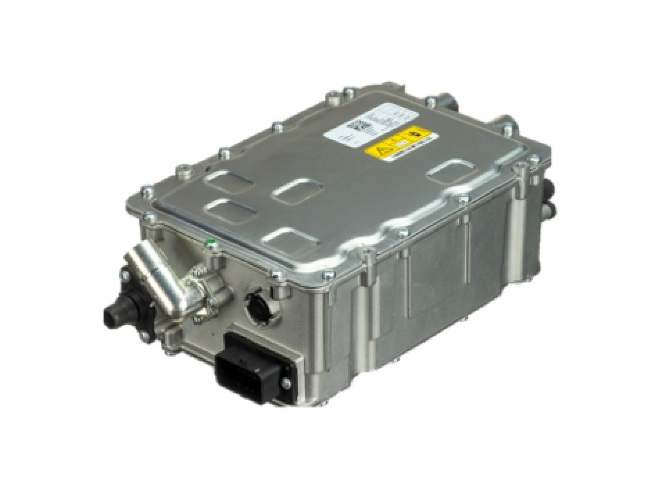
- Product Information
- Product Resources
- Enquire
- Related Products
OE Part Number | Applications | DT Part Number |
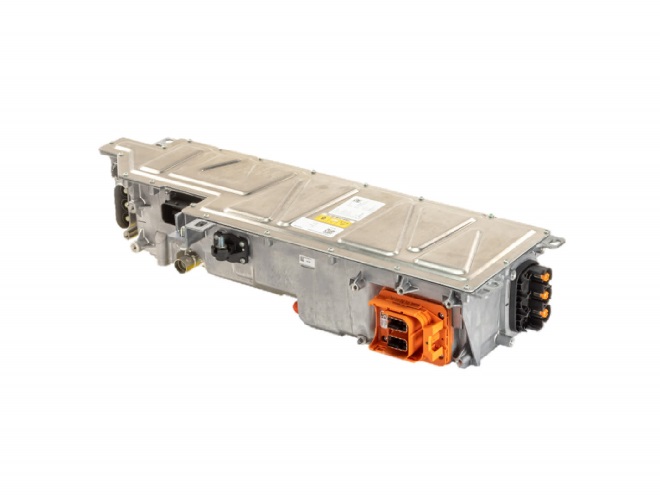
61449456002 | BMW/MINI 225XE (F45) , X1 (F49), X5 (F15) | PHV10000-12B1 |
What is an onboard charger for an electric vehicle?
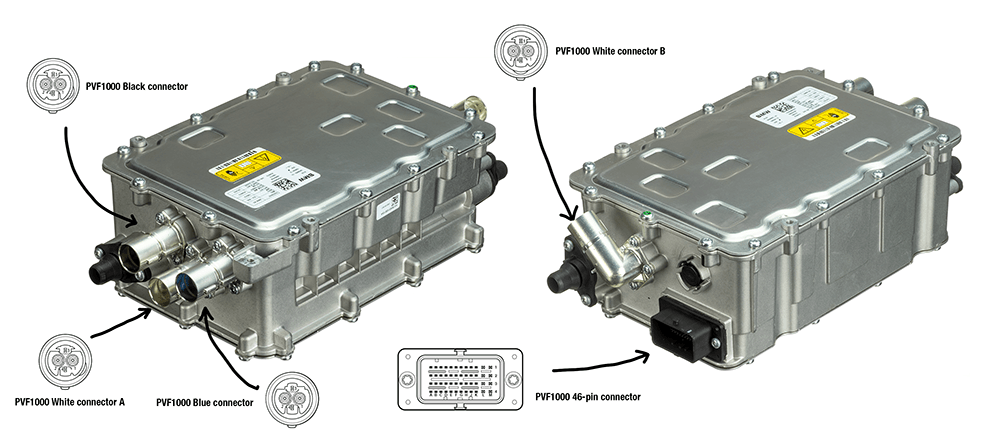
Unlike internal combustion engines, plug-in hybrid electric vehicles (PHEV) and battery electric vehicles (BEV) use an electric traction motor to drive the vehicle’s wheels. The onboard charger charges the traction battery pack, and the energy stored in the battery is then used to power the electric motor.
When an electric vehicle is plugged into a household outlet or a level 2 charger, the charging cable pulls alternating current (AC) from the power grid and sends it to the onboard charger. In order to store the electric power in the battery, the onboard charger must then convert AC to direct current (DC).
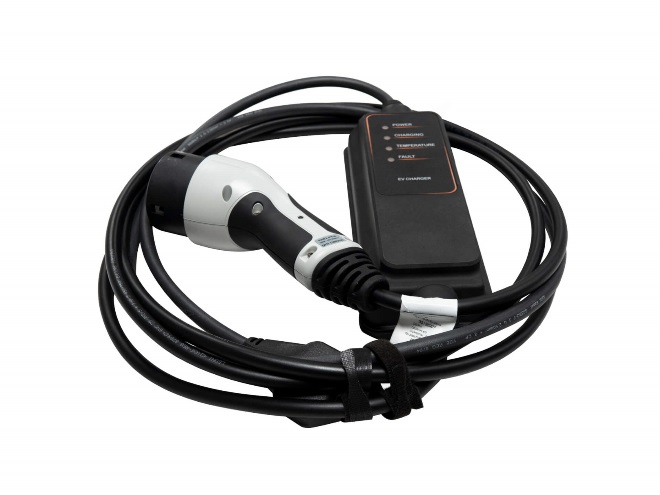
To learn more about electric vehicle charging at home-> Visit our Mode 2 charging cables product page.
Additionally, the onboard charger monitors voltage, current, temperature, and state of charge while charging for the safety of the electrical system and the driver.
To learn more about OE quality aftermarket EV parts you can trust, contact your Delphi representative today.
The Delphi Difference
-
100 years of OE experience, supplier to the world’s top automakers
-
OE heritage and knowledge built into every aftermarket part
-
Comprehensive portfolio for a wide range of vehicles and model years
-
Streamlined SKUs for easy inventory management
-
Support through tools, tips and training

Related product resources and downloads
Resource Highlights
How do I gain access to the ignition coil?
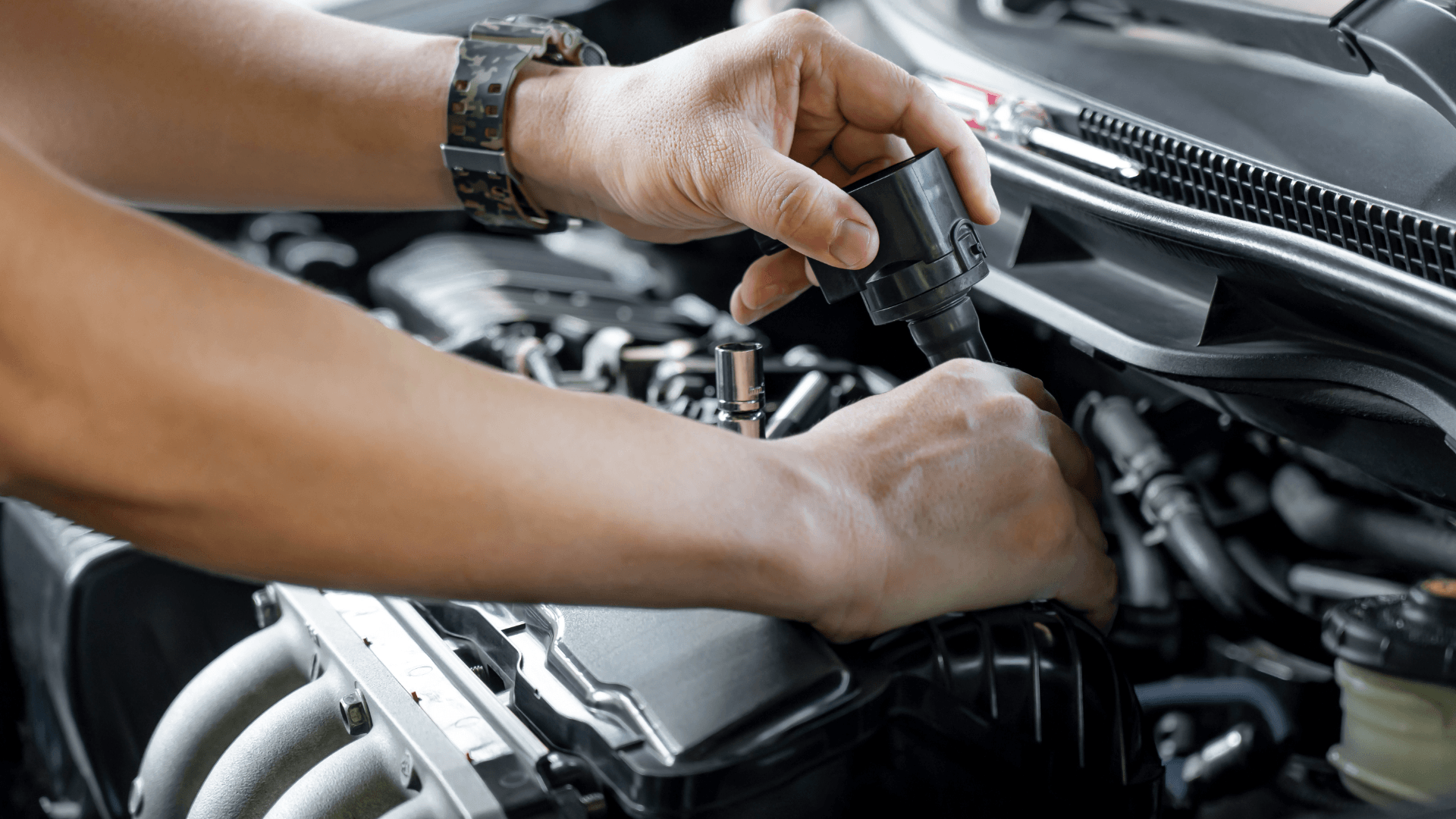
Before you do anything, you first need to remove the scuttle panel, oil cap and engine cover so that you can get to the ignition coil. Remember to gently lift the engine cover taking care not to over-stress the wires going over the engine bay.
How do I remove the ignition coil itself?
This is simple to do once you’ve gained access to the ignition coil. Just release the locking clip, then remove the electrical harness. The ignition coil is now ready to be removed.
How do I securely fit the new ignition coil?
Ensure the new ignition coil is central over the spark plus. Place it firmly downwards to make a good weatherproof seal. Once you’ve done this, take the electrical harness and place it over the connector of the ignition coil and slowly push down the locking clip until you hear a click that it’s in place. Now, replace the removed engine cover, oil cap and scuttle panel.
Do I need to use a diagnostic tool?
After you’ve fitted the new ignition coil, you then need to clear any fault codes and check it is working correctly using a diagnostic tool. Check in the DS diagnostic tool help file to see if an engine adaptation reset is required

Visit our Technician Library for access to Documents and Downloads
Get in touch
Find out where to buy Delphi parts