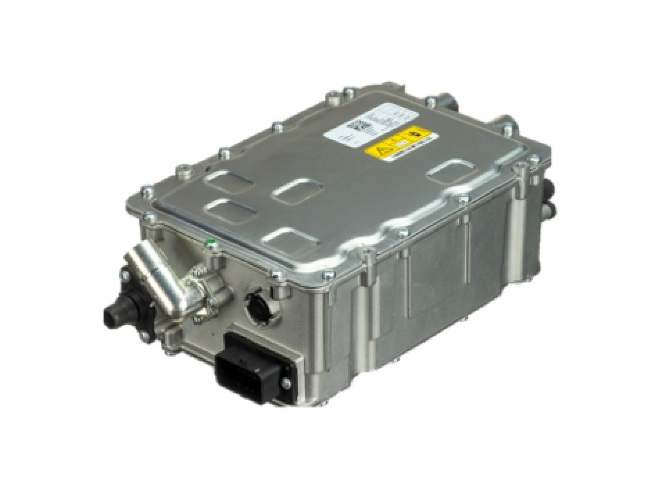
- Product Information
- Product Resources
- Enquire
- Related Products
OE Part Number | Applications | DT Part Number |
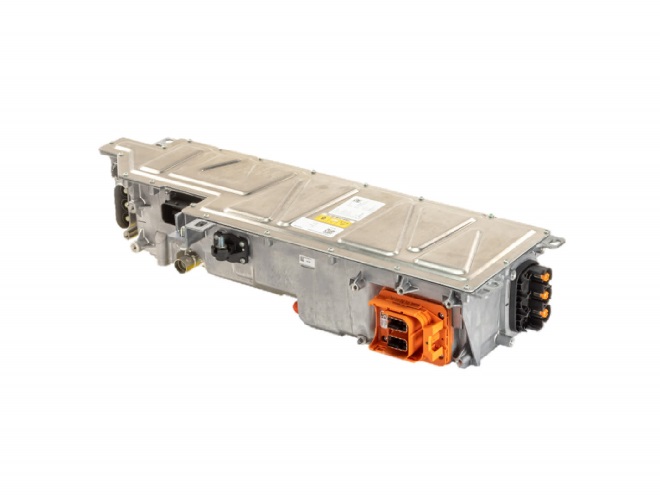
61449456002 | BMW/MINI 225XE (F45) , X1 (F49), X5 (F15) | PHV10000-12B1 |
What is an onboard charger for an electric vehicle?
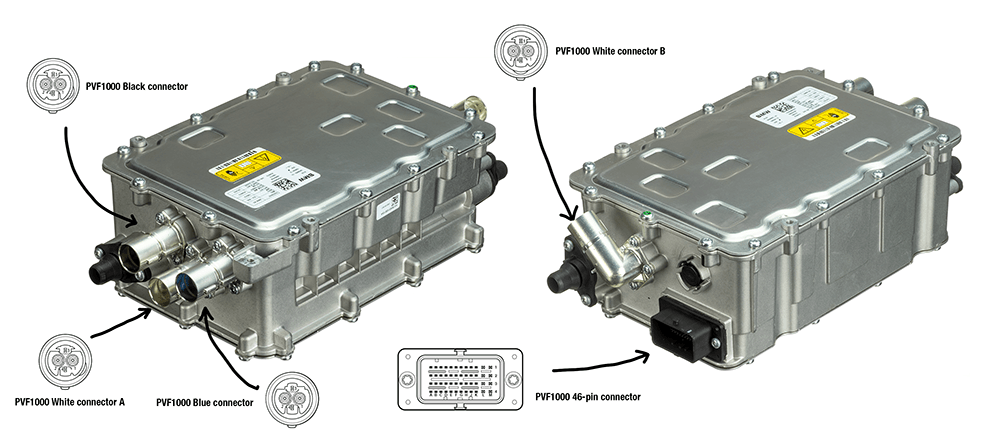
Unlike internal combustion engines, plug-in hybrid electric vehicles (PHEV) and battery electric vehicles (BEV) use an electric traction motor to drive the vehicle’s wheels. The onboard charger charges the traction battery pack, and the energy stored in the battery is then used to power the electric motor.
When an electric vehicle is plugged into a household outlet or a level 2 charger, the charging cable pulls alternating current (AC) from the power grid and sends it to the onboard charger. In order to store the electric power in the battery, the onboard charger must then convert AC to direct current (DC).
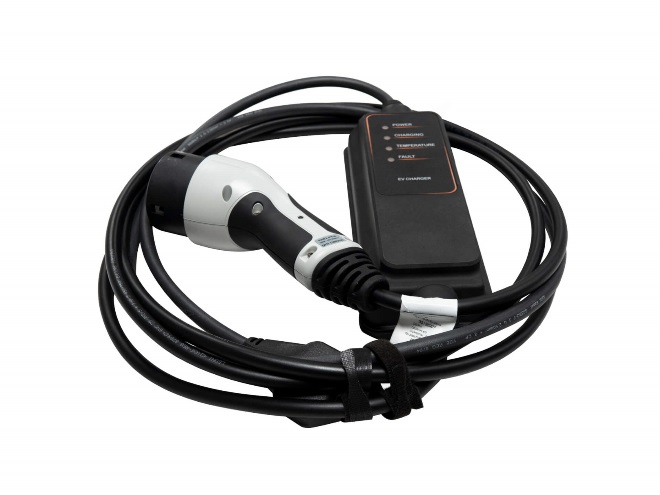
To learn more about electric vehicle charging at home-> Visit our Mode 2 charging cables product page.
Additionally, the onboard charger monitors voltage, current, temperature, and state of charge while charging for the safety of the electrical system and the driver.
To learn more about OE quality aftermarket EV parts you can trust, contact your Delphi representative today.
The Delphi Difference
-
100 years of OE experience, supplier to the world’s top automakers
-
OE heritage and knowledge built into every aftermarket part
-
Comprehensive portfolio for a wide range of vehicles and model years
-
Streamlined SKUs for easy inventory management
-
Support through tools, tips and training

Related product resources and downloads
Resource Highlights
How does the design of ignition coils differ?
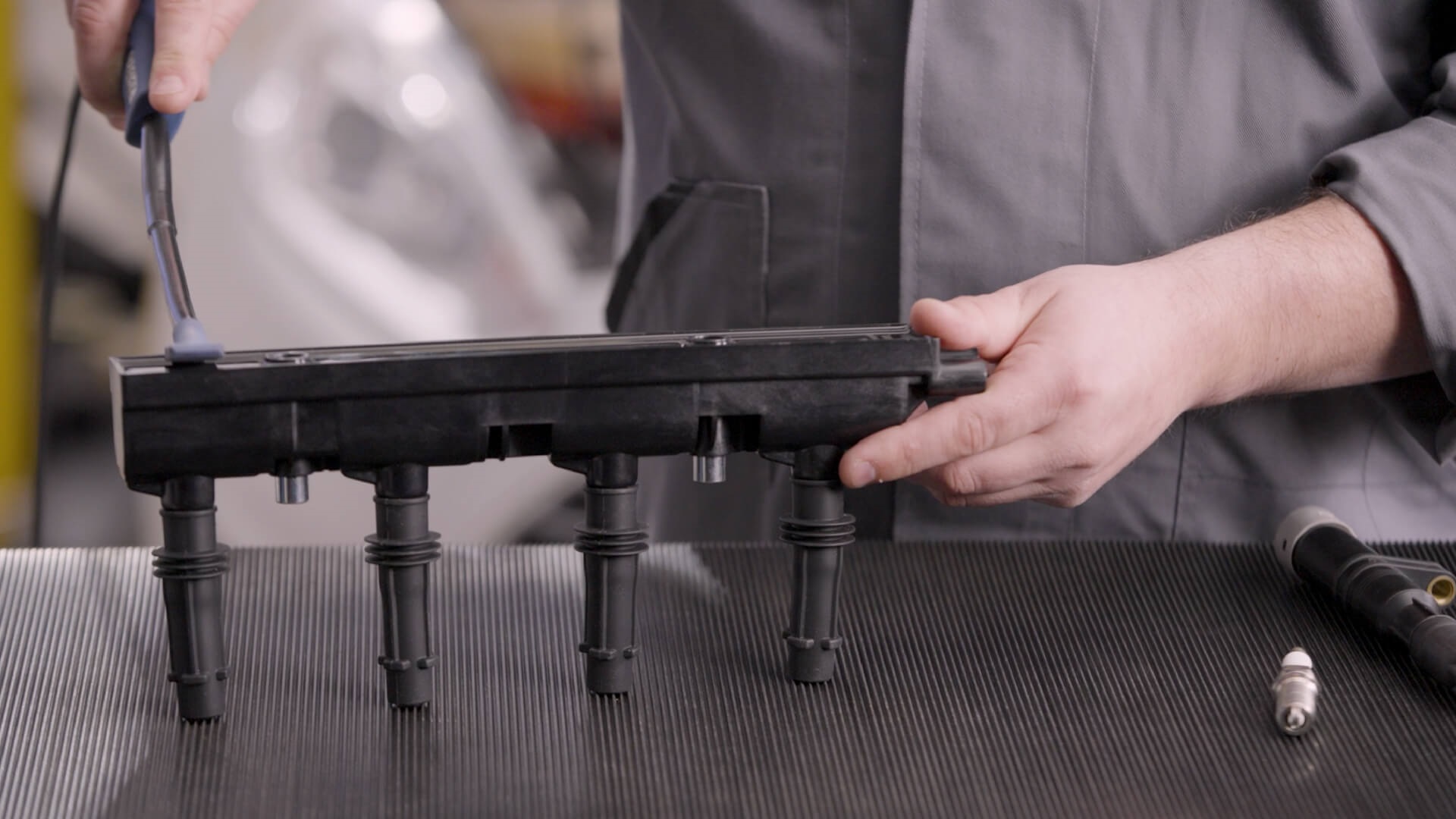
The design of an ignition coil can range from 2 to 7 pins and everything in between. Also, they could be single coils or multiple, molded into a single housing.
Does the design of an ignition coil affect how you test it?
For multiple coils molded into a single housing, you need to use a testing wand. This will pick up the back EMF during operation and send to the oscilloscope for you to review. This will help you identify which coil is causing the problem.
Do I need to test the primary side as well as the secondary?
Before you test the ignition coils, it’s a good idea to check that the primary 12 volt circuit is functioning properly. This is to confirm that the ignition coil has supply voltage and is working correctly.
Should the charge and burn times of the ignition coils be the same?

Visit our Technician Library for access to Documents and Downloads
Get in touch
Find out where to buy Delphi parts