- Product Information
- Product Resources
- Enquire
- Related Products
OE Part Number | Applications | DT Part Number |
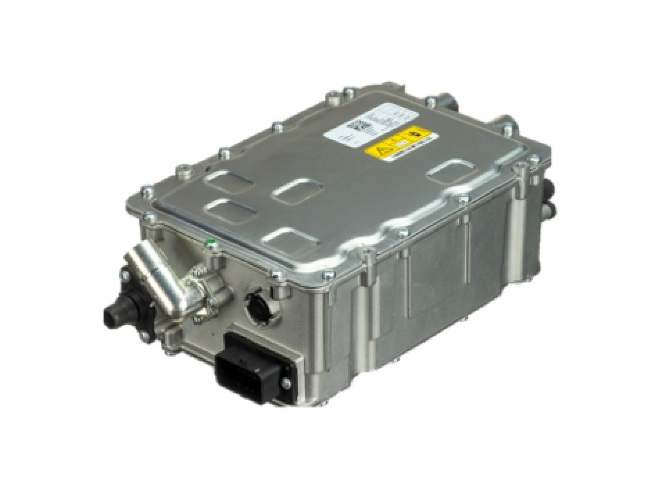
61449456002 | BMW/MINI 225XE (F45) , X1 (F49), X5 (F15) | PHV10000-12B1 |
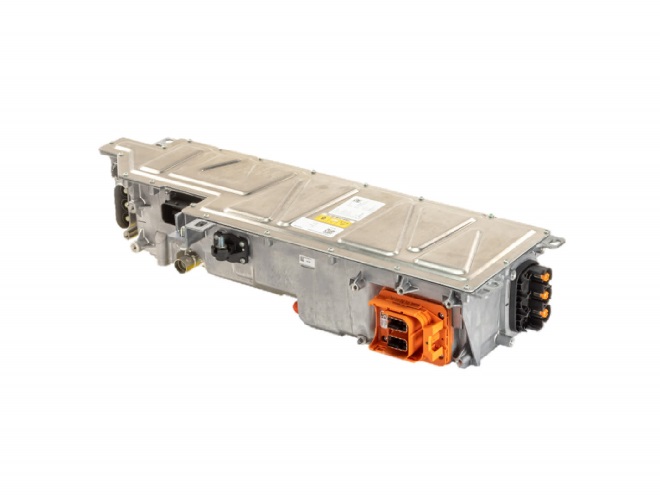
What is an onboard charger for an electric vehicle?
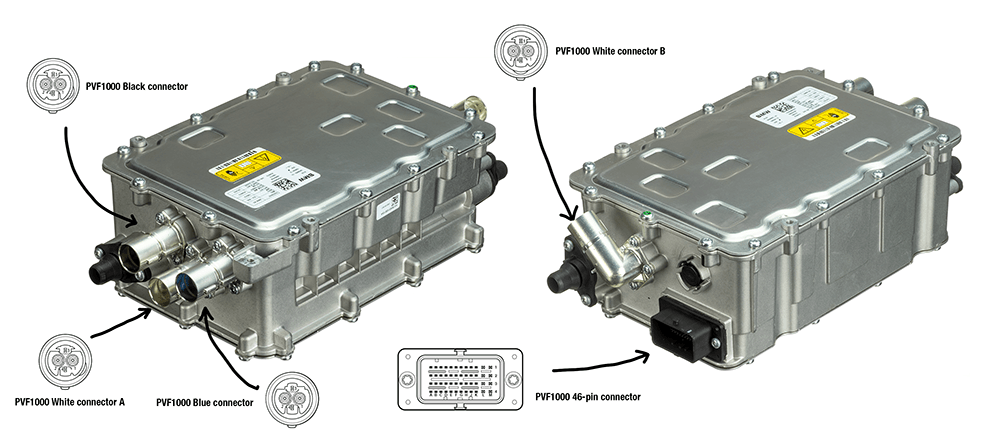
Unlike internal combustion engines, plug-in hybrid electric vehicles (PHEV) and battery electric vehicles (BEV) use an electric traction motor to drive the vehicle’s wheels. The onboard charger charges the traction battery pack, and the energy stored in the battery is then used to power the electric motor.
When an electric vehicle is plugged into a household outlet or a level 2 charger, the charging cable pulls alternating current (AC) from the power grid and sends it to the onboard charger. In order to store the electric power in the battery, the onboard charger must then convert AC to direct current (DC).
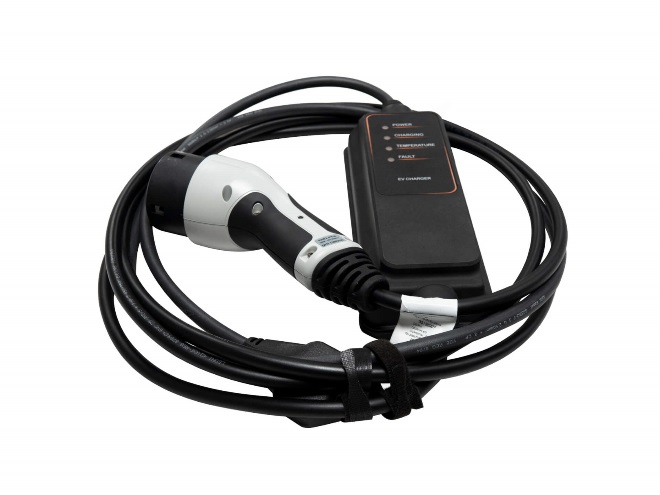
To learn more about electric vehicle charging at home-> Visit our Mode 2 charging cables product page.
Additionally, the onboard charger monitors voltage, current, temperature, and state of charge while charging for the safety of the electrical system and the driver.
To learn more about OE quality aftermarket EV parts you can trust, contact your Delphi representative today.
The Delphi Difference
-
100 years of OE experience, supplier to the world’s top automakers
-
OE heritage and knowledge built into every aftermarket part
-
Comprehensive portfolio for a wide range of vehicles and model years
-
Streamlined SKUs for easy inventory management
-
Support through tools, tips and training

Related product resources and downloads
Resource Highlights
Make | Model | System |
Renault | 1.5 K9K (08-10) | Diesel systems |
Microdiesel | EGR valve statusThis function allows the EGR status to be read and the operation of the valve to be checked. The EGR valve status is indicated in a list with a status number. |
IFR-50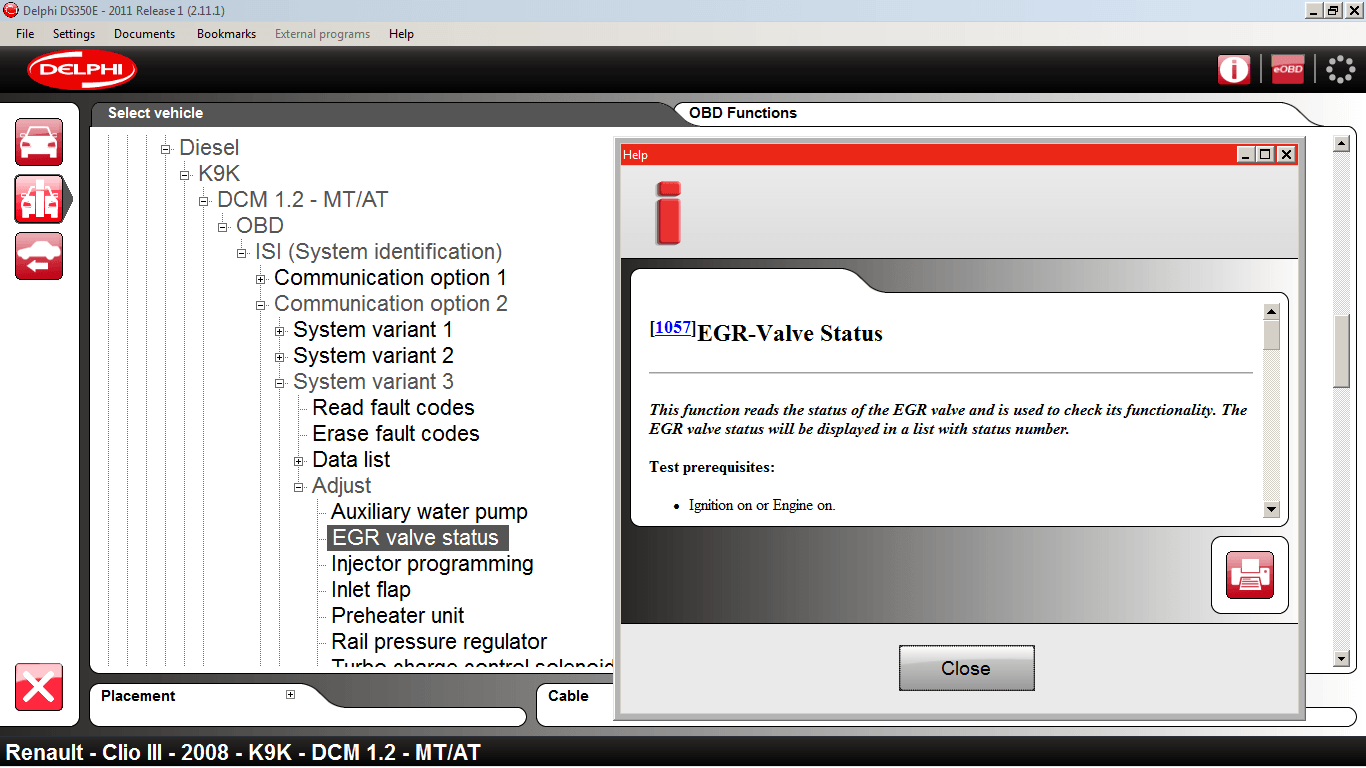 | Test preconditions
Procedure
|
Background Check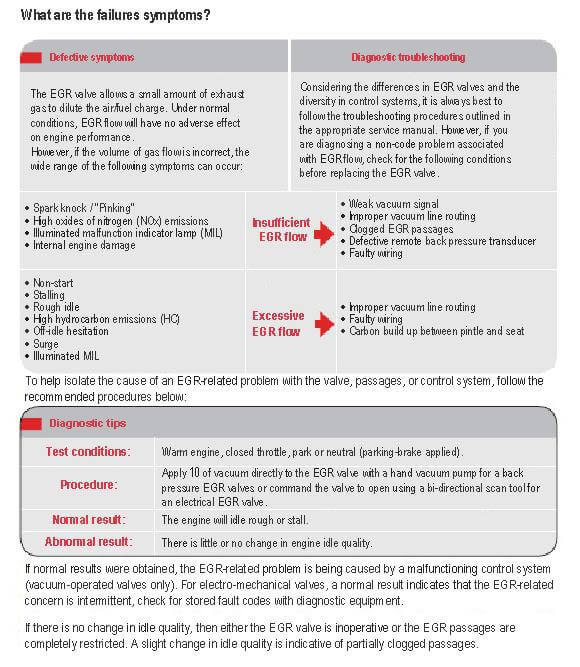 | List the parameters :Use this list to compare with the indicated value. STATUS : NoneNo EGR shutoff, the EGR operates normally according to the DCU programming. STATUS : 1, 5, 6, 7, 9, 10, 12, 13, 15, 19, 23, 24Switch off the ignition and wait for 1 minute. Switch the ignition on and check for faults. Check the battery voltage, engine stopped and engine running. If there is no fault code flagged or memorised, restart the vehicle and check the idle speed. Do not rev the engine to not run it too fast. STATUS : 3, 14, 16Accelerate to above idle for a few seconds. STATUS : 2Check that the clutch pedal is fully up and that the vehicle is stationary. STATUS : 4, 17Check for any fault codes present and recorded and correct them. STATUS : 8Reset the EGR offsets by using the command “Programming reset" and select "EGR valve". STATUS : 11, 22Allow the engine temperature to rise until the out of service setting disappears. STATUS : 18Check that the DPF regeneration running has been fully completed. STATUS : 20Allow the engine temperature to fall until the out of service setting disappears. STATUS : 21Atmospheric pressure too low, the EGR valve is deactivated To help isolate the cause of an EGR-related problem with the valve, passages, or control system, follow the recommended procedures below: If normal results were obtained, the EGR-related problem is being caused by a malfunctioning control system (vacuum-operated valves only). For electro-mechanical valves, a normal result indicates that the EGR-related concern is intermittent, check for stored fault codes with diagnostic equipment. If there is no change in idle quality, then either the EGR valve is inoperative or the EGR passages are completely restricted. A slight change in idle quality is indicative of partially clogged passages. |
AVM2-PC | Replacing the EGR valve
|
IHM1000 Microdiesel |
|

Visit our Technician Library for access to Documents and Downloads
Get in touch
Find out where to buy Delphi parts