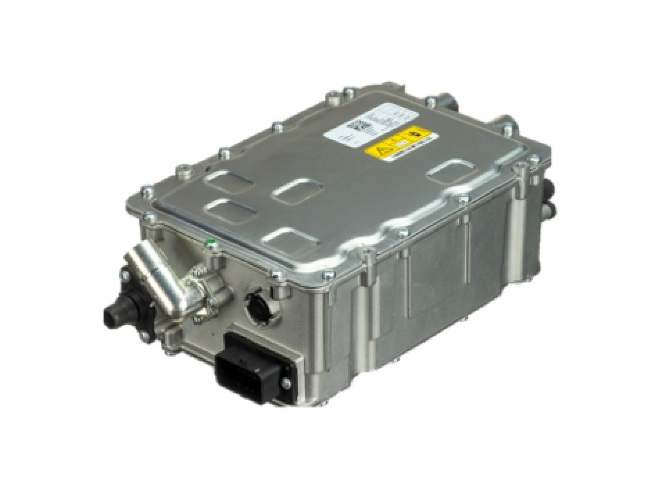
- Product Information
- Product Resources
- Enquire
- Related Products
OE Part Number | Applications | DT Part Number |
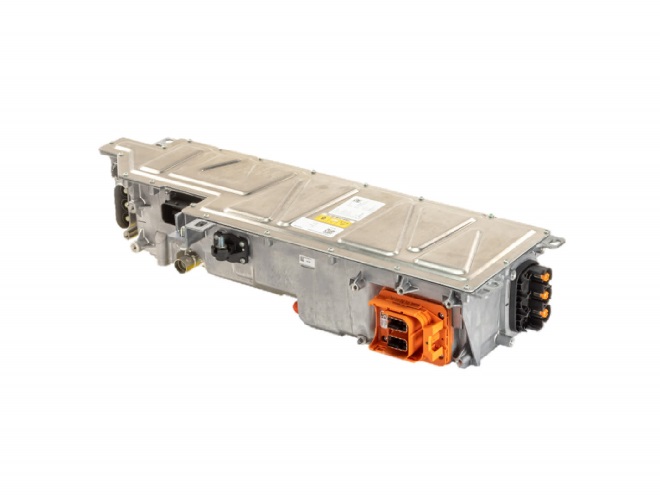
61449456002 | BMW/MINI 225XE (F45) , X1 (F49), X5 (F15) | PHV10000-12B1 |
What is an onboard charger for an electric vehicle?
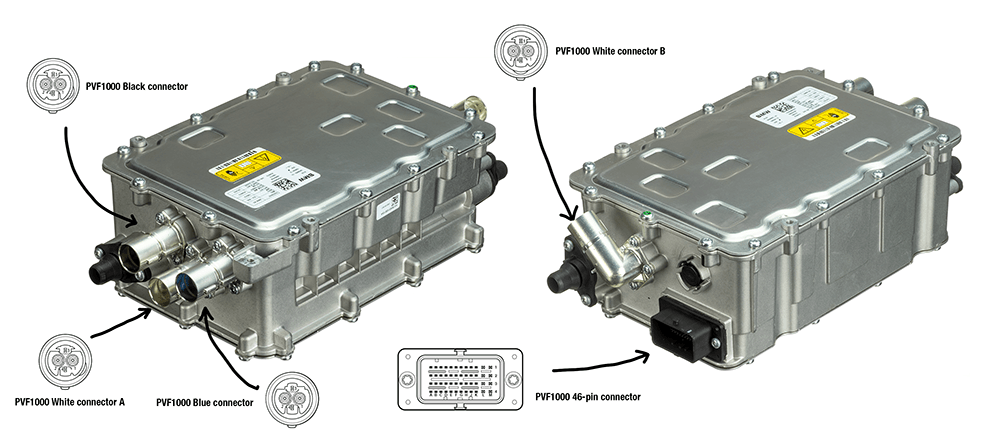
Unlike internal combustion engines, plug-in hybrid electric vehicles (PHEV) and battery electric vehicles (BEV) use an electric traction motor to drive the vehicle’s wheels. The onboard charger charges the traction battery pack, and the energy stored in the battery is then used to power the electric motor.
When an electric vehicle is plugged into a household outlet or a level 2 charger, the charging cable pulls alternating current (AC) from the power grid and sends it to the onboard charger. In order to store the electric power in the battery, the onboard charger must then convert AC to direct current (DC).
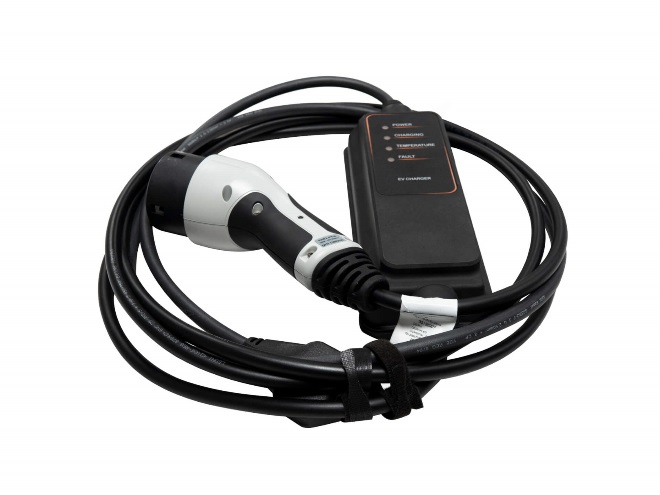
To learn more about electric vehicle charging at home-> Visit our Mode 2 charging cables product page.
Additionally, the onboard charger monitors voltage, current, temperature, and state of charge while charging for the safety of the electrical system and the driver.
To learn more about OE quality aftermarket EV parts you can trust, contact your Delphi representative today.
The Delphi Difference
-
100 years of OE experience, supplier to the world’s top automakers
-
OE heritage and knowledge built into every aftermarket part
-
Comprehensive portfolio for a wide range of vehicles and model years
-
Streamlined SKUs for easy inventory management
-
Support through tools, tips and training

Related product resources and downloads
Resource Highlights
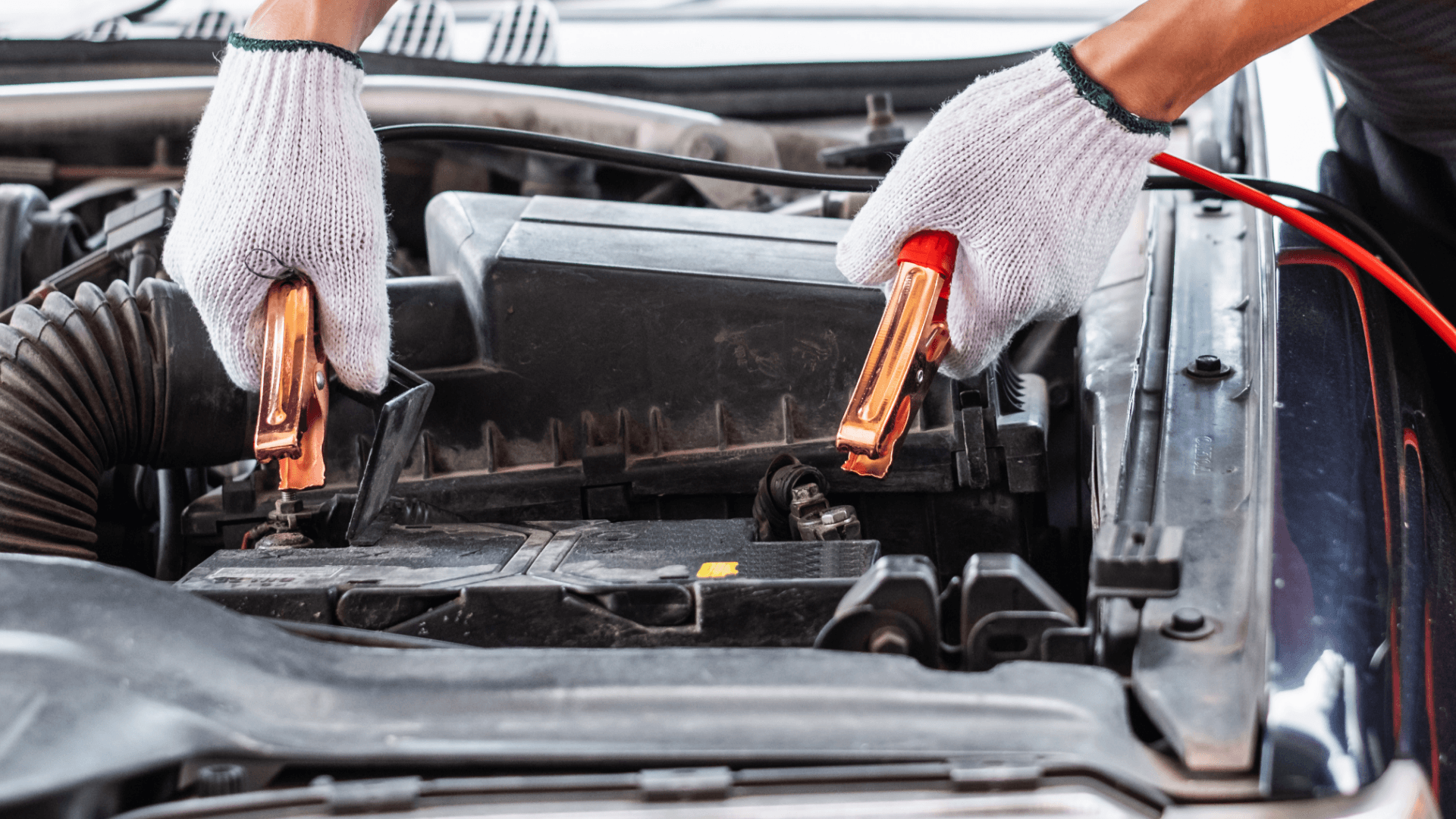
Battery failure is a very common vehicle fault and infuriating for motorists.
Here are nine pieces of valuable advice you can give your customers to help them preserve the condition of their vehicle batteries.
How long do car batteries last?
Car batteries on average last between three and five years. One of the important factors that can vary this lifespan is weather. Warm weather can cause fluid in car batteries to evaporate, which damages the internal structure of the battery. A lot of driving (and idling) on very hot days will severely drain a car battery, which leads to an increased chance of a dead battery. Car battery life is typically a lot shorter in hot climates.
Extremely cold weather can impair a battery’s performance too. In periods of cold weather where customers can’t use their vehicles, the battery loses its ability to recharge, so the vehicle should be run at least once every two weeks.

Visit our Technician Library for access to Documents and Downloads
Get in touch

Find out where to buy Delphi parts