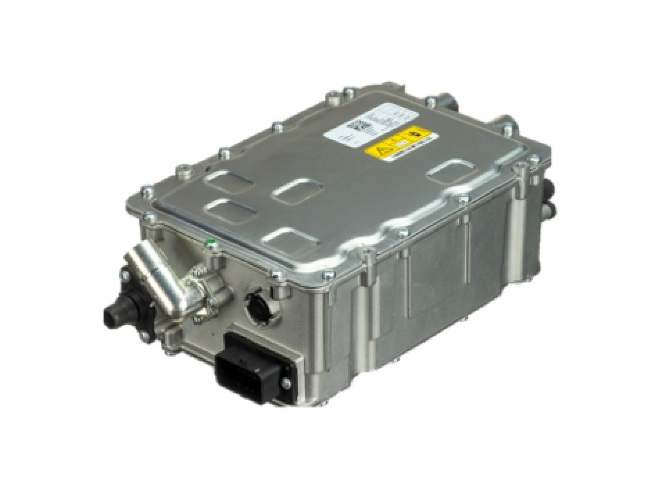
- Product Information
- Product Resources
- Enquire
- Related Products
OE Part Number | Applications | DT Part Number |
61449456002 | BMW/MINI 225XE (F45) , X1 (F49), X5 (F15) | PHV10000-12B1 |
What is an onboard charger for an electric vehicle?
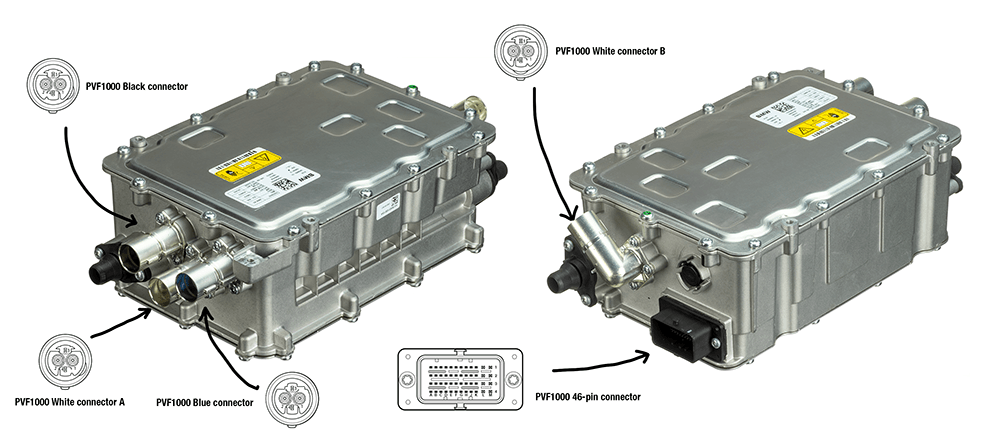
Unlike internal combustion engines, plug-in hybrid electric vehicles (PHEV) and battery electric vehicles (BEV) use an electric traction motor to drive the vehicle’s wheels. The onboard charger charges the traction battery pack, and the energy stored in the battery is then used to power the electric motor.
When an electric vehicle is plugged into a household outlet or a level 2 charger, the charging cable pulls alternating current (AC) from the power grid and sends it to the onboard charger. In order to store the electric power in the battery, the onboard charger must then convert AC to direct current (DC).
To learn more about electric vehicle charging at home-> Visit our Mode 2 charging cables product page.
Additionally, the onboard charger monitors voltage, current, temperature, and state of charge while charging for the safety of the electrical system and the driver.
To learn more about OE quality aftermarket EV parts you can trust, contact your Delphi representative today.
The Delphi Difference
-
100 years of OE experience, supplier to the world’s top automakers
-
OE heritage and knowledge built into every aftermarket part
-
Comprehensive portfolio for a wide range of vehicles and model years
-
Streamlined SKUs for easy inventory management
-
Support through tools, tips and training

Related product resources and downloads
Resource Highlights
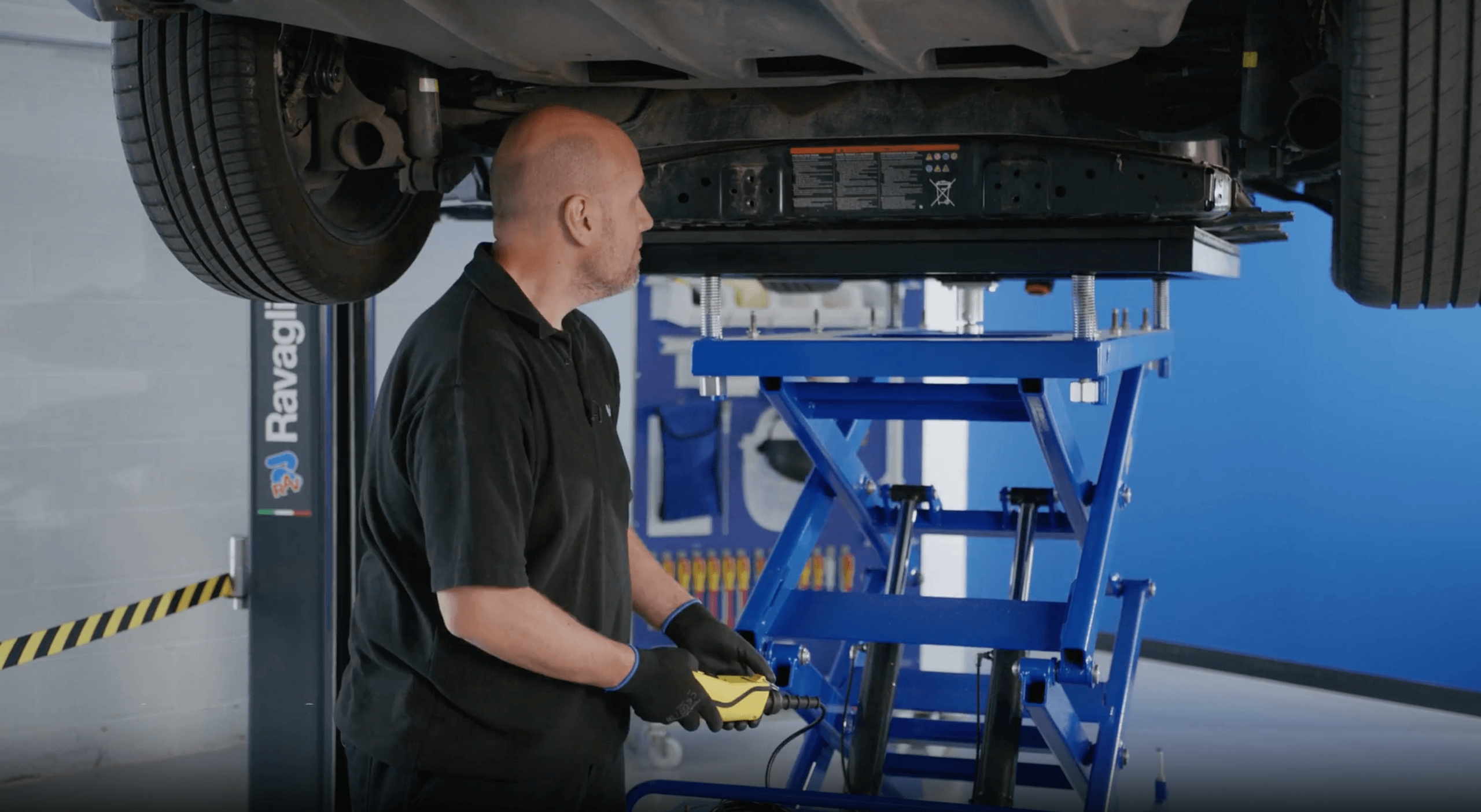
Removing a high-voltage battery from an electric vehicle is a potentially hazardous job. It must be done by following the right steps and safety precautions.
Matt, our Delphi expert, shows you exactly how to do it on a Nissan Leaf in this guide. He shows you how to:
- Remove the battery covers and battery bolts
- Choose the right PPE
- Disconnect the cables
- Test for the absence of voltage
- Use a lifting table to lower the battery
Are there any further safety tips I should follow?
- The high-voltage power system must be correctly shut down according to the manufacturer’s guidelines before you can disconnect it.
- Even when the system has been shut down, it’s safest to always assume that the circuit is live, just in case.
- You should notify the rest of your team that you’re working with high-voltage circuitry.
- Prevent any possible reconnection by securely locking away the components you need.
- Remove any jewellery, especially rings or watches, and anything metallic (such as coins or keys) in your pockets that may fall out.
Why is removing a high-voltage battery hazardous?
Are there different procedures on different vehicles?

Visit our Technician Library for access to Documents and Downloads
Get in touch

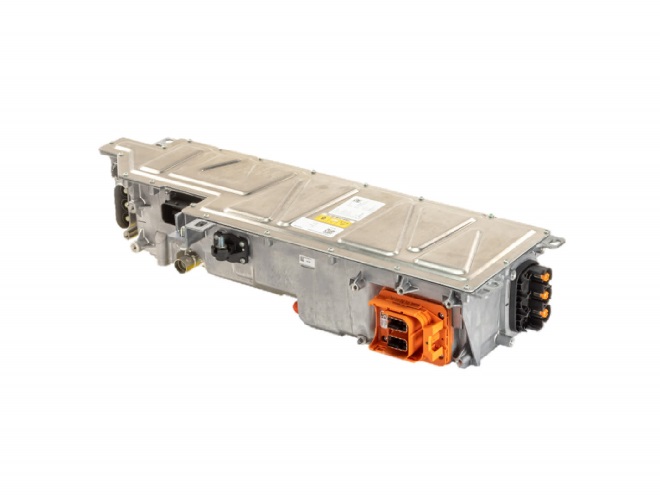
Find out where to buy Delphi parts