- Product Information
- Product Resources
- Enquire
- Related Products
Innovative OE design
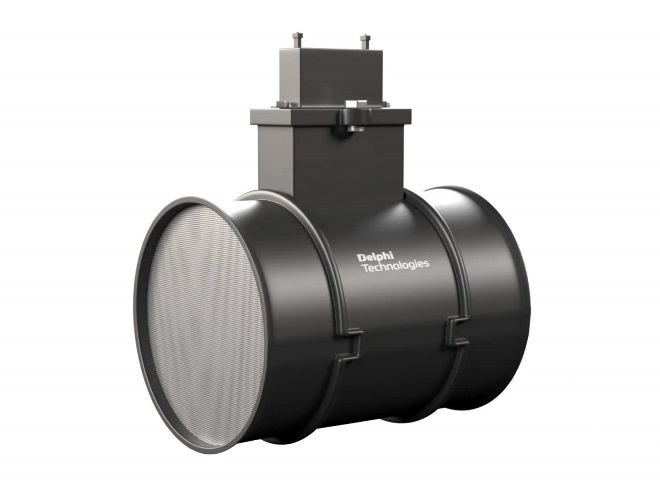
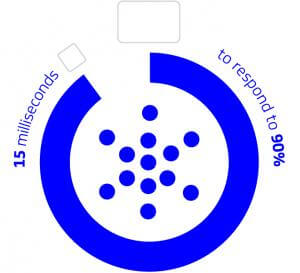
We build our OE expertise into every MAF sensor we make. Featuring a proprietary temperature compensation design, they offer outstanding performance over a wide range of ambient temperatures. And are fast to respond to changing engine conditions – typically less than 15 milliseconds to respond to 90 percent of a flow change. Innovative, dual-heated elements on specific references also help to ensure optimal performance, fuel efficiency, and reduced emissions
OE engineered and tested
By testing and calibrating to OE specifications, our MAF sensors provide the same accurate readings and airflow output as the OE. Each sensor is tested on state-of-the-art sonic nozzle-testing equipment capturing over 6,000 data points per flow, for optimal calibration accuracy. They’re also flow tested to match the OE for signal stability (noise), temperature compensation (the ability of the MAF sensor to measure airflow accurately from -30°C to 70°C) and electromagnetic compatibility.

Never remanufactured MAF sensor
Some things are better new. That’s why every sensor we make – whether with or without the housing—is built with all-new components and never remanufactured. Remanufactured MAFs are simply cleaned and tested, so any contamination on the sensor may not be eliminated, resulting in inaccurate readings to the ECU.
Greener probe-only technology
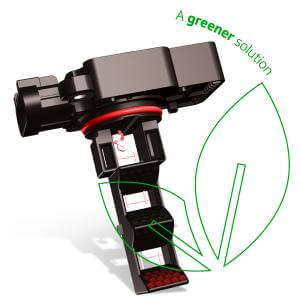
It’s often the electronics on the sensor probe that fail, meaning it’s not always necessary to replace the complete part. So we developed a probe-only solution, in addition to a full range of complete units. By eliminating the plastic housing, this provides a greener, more cost-effective and faster repair option.
The complete package
With Delphi you get access to the complete package: the range, advanced DS diagnostics including the ability to look at live data, both at idle and max RPM, to determine if the MAF sensor is reporting the correct data, expert training and support and vehicle technical information including wiring diagrams, component locations and guided diagnostic procedures.
The Delphi Difference
-
100 years of OE experience, supplier to the world’s top automakers
-
OE heritage and knowledge built into every aftermarket part
-
Comprehensive portfolio for a wide range of vehicles and model years
-
Streamlined SKUs for easy inventory management
-
Support through tools, tips and training

Related product resources and downloads
Resource Highlights
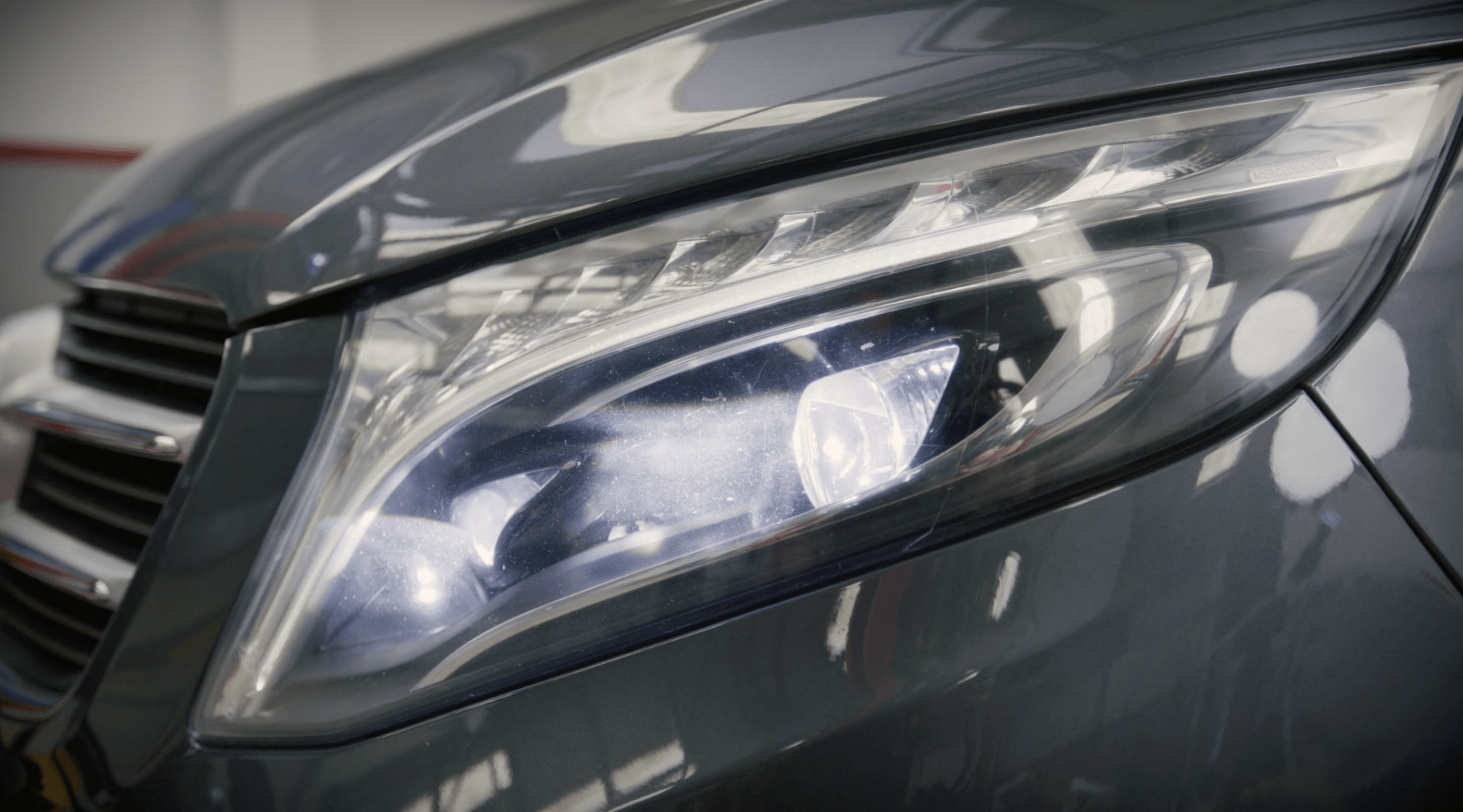
Here we’re looking at how to replace a light level sensor on a vehicle, using a Mercedes Vito as an example. This is a vehicle with LED lights fitted: to operate correctly, they need to be able to adjust their level.
Matt, our Delphi expert, walks you through the replacement process in full, showing you:
How to remove the broken sensor
Checking part numbers when it’s removed to get the right replacement
Attaching the new sensor
Calibration of the new level sensor
How does a light level sensor work?
A sensor is connected to the suspension arm of this vehicle. As the suspension moves up and down on the road, it will also move the sensor lever. This then reports to the headlights, and automatically adjusts the headlights to avoid dazzling oncoming drivers.
Why do new light level sensors need to be calibrated?
Get in touch
.tmb-660w.png?Culture=en-GB&sfvrsn=d034e4d6_13)
Find out where to buy Delphi parts