
Ride Height Level Sensors
Real-time suspension feedback with durable construction made for real-world conditions.
.tmb-2560w.png?Culture=en-GB&sfvrsn=3851c0f1_15)
Tested for over 2 million cycles
Tested for over 2 million cycles
+2% linear output accuracy
+2% linear output accuracy
IP6K9K rated for dust and high-pressure water exposure
IP6K9K rated for dust and high-pressure water exposure
Reverse voltage protection up to -18V
Reverse voltage protection up to -18V
6 reasons why

Precise height measurement

Constructed for harsh conditions

Long service life

Electrical fault protection
Passenger and commercial coverage

Lower maintenance costs
Innovation where it counts
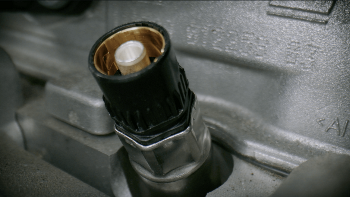
How the Ride Height Level Sensor works
Our Ride Height Level Sensor measures the distance between the vehicle body and the suspension with laser-sharp precision. It converts movement into an electrical signal that delivers +2% linear output accuracy even as load and road conditions change.
That signal is then fed into the suspension control system. When the control unit receives real-time height data, it can adjust the suspension settings as needed. The result is a smooth driver experience with rock-solid handling and total comfort.
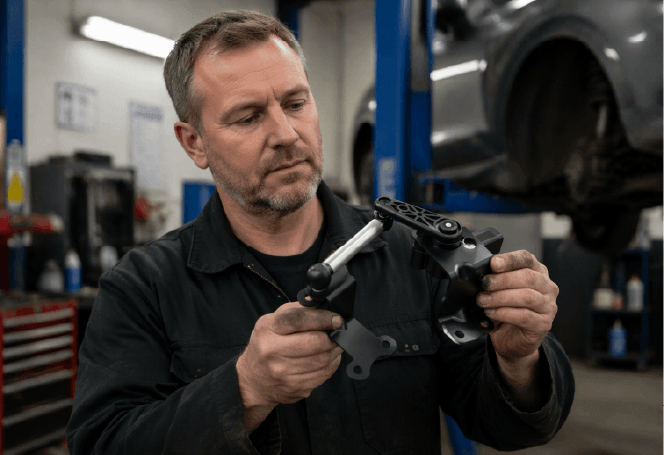
Extensive vehicle coverage
Get coverage over more than 155 million vehicles:
- BMW, Land Rover, Mercedes-Benz, and VAG applications
- Available in EMEA
- Coverage for passenger and commercial platforms

Explore our steering and suspensions portfolio
See our sensors in action

Masters of Motion
Ride Height Level Sensors FAQs
-
Are Delphi's Ride Height Level Sensors tested in real-world conditions?
Yes. We are big believers in testing our innovations to make sure they perform on the road. Our sensors are tested to withstand more than 1 million ball head swing cycles and 2 million durability test cycles. The housing meets IP6K9K standards for dust and high-pressure water exposure, as well.
-
How accurate is the ride height signal output? Why does it matter?
You get +2% linear output accuracy over the operating range. The more accurate the data, the better the suspension control unit can respond. This leads to a smooth, comfortable drive.
-
Which vehicle platforms does Delphi's Ride Height Level Sensor cover?
Our sensors cover 155M-plus vehicles, including BMW, Land Rover, Mercedes-Benz, and VAG applications. The range supports both passenger and commercial platforms, too, in EMEA.
New-to-Range
Get expert insights from the latest technical articles




Subscribe to the Newsletter