- Product Information
- Product Resources
- Enquire
- Related Products



Distinctly Delphi Fuel Pumps
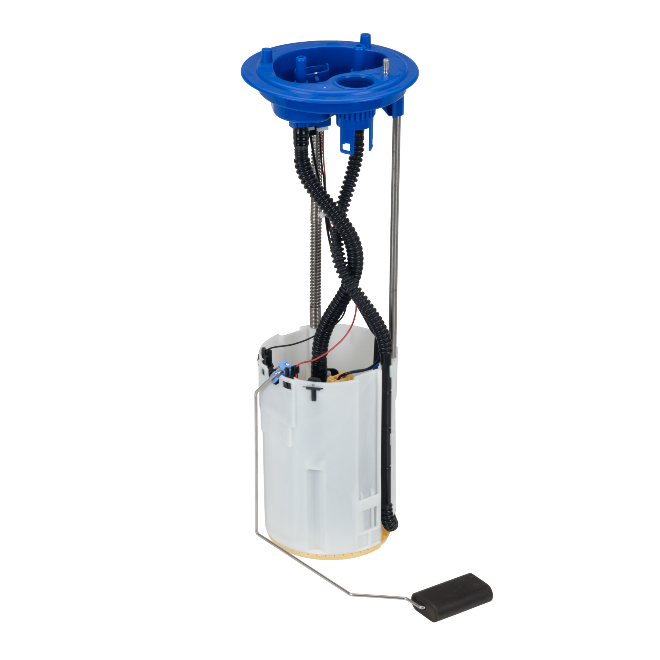
- Anodized aluminum can reduce flow loss by up to 100% in severe contamination
- New carbon commutator extends fuel pump life by up to 300% over commonly used copper commutators by reducing oxidation and premature wear*
- Over-molded armature protects pump windings in corrosive environments
- Button style contacts feature additional wear material that can last for over 1 million cycles
- High capacity synthetic mesh inlet filter is able to filter out all items larger than 30 microns
- Distinctly Delphi with an electric blue fuel pump top, module top cover and strainer material
*In contaminated fuel or fuel with alcohol blends
| Part# | Top Applications |
| FG0407 | 2004-99 Chevrolet Silverado 1500 V6, 2003-99 Silverado 1500 V8, 2003-01 Silverado 1500 HD V8, 2003-99 Silverado 2500 V8, 2003-01 Silverado 2500 HD V8, 2003-01 Silverado 3500 V8; 2004-99 GMC Sierra 1500 V6, 2003-99 Sierra 1500 V8, 2003-01 Sierra 1500 HD V8, 2003-99 Sierra 2500 V8, 2003-01 Sierra 2500 HD V8, 2003-01 Sierra 3500 V8 |
| FG1057 | 2013-09 Chevrolet Silverado 1500 V8; 2013-09 GMC Sierra 1500 V8, 2013-12 Yukon XL 1500 V8 |
| FG0817 | 2006-04 Dodge Ram 1500 V6, 2006-04 Ram 1500 V8 |
| FG1053 | 2016-05 Chrysler 300 V6, 2017-05 300 V8; 2010-09 Dodge Challenger V6, 2017-15 Challenger V6, 2017-09 Challenger V8, 2014-06 Charger V6, 2016-06 Charger V8, 2008-05 Magnum V6, 2008-05 Magnum V8 |
| FG1052 | 2010-05 Chrysler 300 V6, 2010-05 300 V8; 2010-09 Dodge Challenger V6, 2010-06 Charger V6, 2010-09 Charger V8, 2008-05 Magnum V6 |
In review...
- Tier 1 supplier to the top 25 global vehicle manufacturers
- Manufacturer of dependable fuel delivery parts for over 80 years
- Over 30 OE-proprietary innovations and 150 patents in fuel technologies
- Market leading North American fuel management coverage at over 95%
- Expert-led training programs and tech hotline for ASE Master Technicians and OEM experts available
Make sure to clean the fuel tank.
It's critical to clean the fuel tank before replacing a fuel pump or fuel pump module assembly. Otherwise, you risk a comeback if contaminants in a dirty tank cause the new pump to fail. Learn more about how to clean the tank in ten easy steps. Plus, Delphi offers a convenient fuel tank cleaning kit to help you get the job done.
Check all instructions carefully.
For example, when doing a fuel pump replacement with our parts FG1052, FG1053, or FG1588 you will need to pay attention to the instructions provided in the box as we've updated the wiring kit to reduce risks of overheating.
The Delphi Difference
-
100 years of OE experience, supplier to the world’s top automakers
-
OE heritage and knowledge built into every aftermarket part
-
Comprehensive portfolio for a wide range of vehicles and model years
-
Streamlined SKUs for easy inventory management
-
Support through tools, tips and training

Related product resources and downloads
Resource Highlights
In this article you will find out about the basics of GDi and understand the common GDI service issues.
Basics of GDi
Despite making its debut in the mid 1950’s, Gasoline Direction Injection (GDi) has only recently come into its own, as vehicle manufacturers look for more meaningful ways to meet increasingly stringent emissions standards.
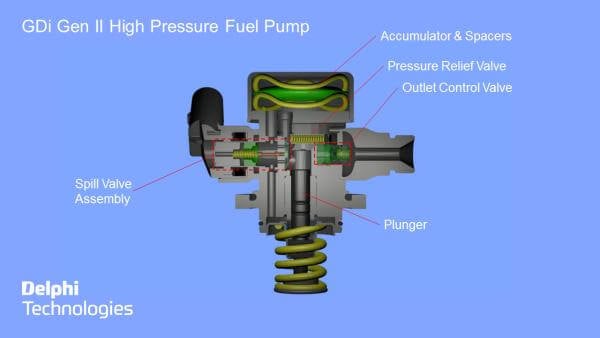
By injecting fuel at high pressure directly into the combustion chamber, the innovative system improves fuel atomization and penetration, delivering reduced CO2 emissions, improved fuel economy and better engine performance.
So why has a technology with so many good things going for it not been adopted sooner? The simple truth, is that like many things, there are pros and cons. And for GDi, that also means a number of common service related issues such as carbon build up, oil vaporization and low speed pre-ignition.
Understanding common service issues for GDi
Here we explore what these are and, importantly, how we can help you to overcome them.
Fuel dilution: Because the injectors are located in the combustion chamber, fuel spray can wash past the rings, down the far cylinder wall and into the oil sump, contaminating the oil and affecting its viscosity. This can cause issues such as increased wear of pistons, rings and cylinders, reduced protection against deposits, higher oil consumption and quicker oxidation.
Oil vaporisation: The higher temperatures and pressures in GDi engines can accelerate oil vaporization. Oil vapors passing through the cooler areas of the engine such as the intake valves, piston crown and catalytic system can lead to pooling and the formation of oil droplets. Because, unlike a port fuel injection engine, these droplets are not washed off by the fuel, they can coat and bake onto the valve causing performance issues.
Oil evaporation: The higher temperatures in the crankcase can also cause some of the oil to evaporate, meaning that the fuel can become more concentrated. Much like fuel dilution, this impacts the oil’s viscosity, accelerating wear and tear of key components and reducing the oil’s service life.
Carbon build-up: Again, because fuel no longer reaches and cleans the valves, this can result in a build-up of carbon on both the injectors and valves, restricting fuel delivery and air flow to the cylinders respectively. Over time, these deposits can cause performance issues such as reduced engine power and fuel economy.
Low-speed pre-ignition: Known as LSPI for short, it typically occurs under low speed, high load conditions. LSPI is caused by fuel droplets that are released into the combustion chamber and ignited before the spark plug fires. This abnormal combustion event can result in higher engine pressures, leading to engine knock and potentially severe internal damage.
As these service issues can occur in as little as 3,000 miles, diagnosing and remedying them early is important. Failure to do so will not only affect the vehicle’s performance and fuel economy, but if left untreated for long enough, could also result in severe engine damage, requiring a timely and costly teardown to fix.
The good news is, that as a leading manufacturer of OE GDi technology, we understand the challenges of maintaining and repairing these highly advanced, high pressure systems. And alongside the OE parts, provide the tools and know-how you’ll need to remedy these issues, long before they become a bigger problem.

Visit our Technician Library for access to Documents and Downloads
Get in touch

Contact Us
Visit our Contact hub to find a range of enquiry types suited to help you find the exact support you are looking for.