- Product Information
- Product Resources
- Enquire
- Related Products
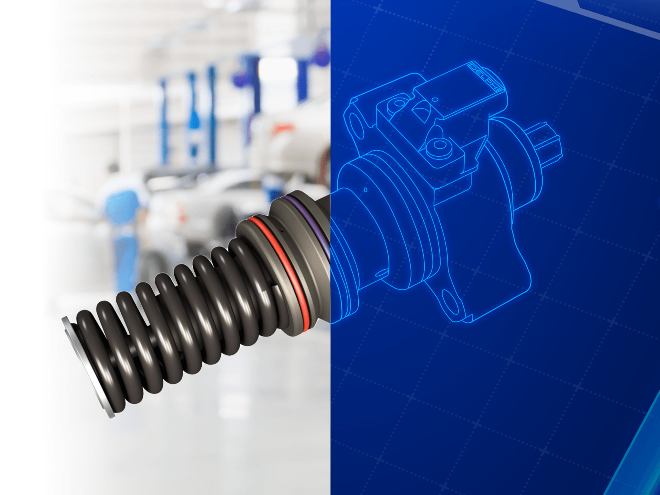
Rich OE legacy
Our heritage dates back to the legendary CAV brand, and the introduction of in-line and the iconic DPA pump – the best-selling rotary pump worldwide. Both were revolutionary for their time, setting new standards for reliability and power, and we’ve continued to push the boundaries ever since.
Three choices for fleets
By providing three choices – new, reman and repair – we can provide fleet managers with convenient service and maintenance at a very competitive cost.
Latest generation OE technology
Our latest generation F3 system takes engines beyond the 2021 global emissions and fuel economy regulations and through the next decade. Based on our proven Euro VI Common Rail technology and capable of 3,000 bar injection pressure, it delivers a substantial improvement in emissions, fuel economy and refinement for the lifetime of the engine.
OE-approved repair
In addition to new and remanufactured units, we also offer authorised repair through our global network of Delphi Diesel Centres. Replacing all wearable and performance critical parts, with like-for-like OE, and using OE-approved test plans and equipment, it offers a quality but economical solution.
Find your local diesel specialist here.
Reman
For an equally fast, yet more cost-effective turnaround we offer a range of remanufactured parts. Available off-the-shelf, typically within one to two years of vehicle launch, they are built using OE parts, equipment and processes, and are calibrated to exacting OE specifications.

OE expertise in the aftermarket
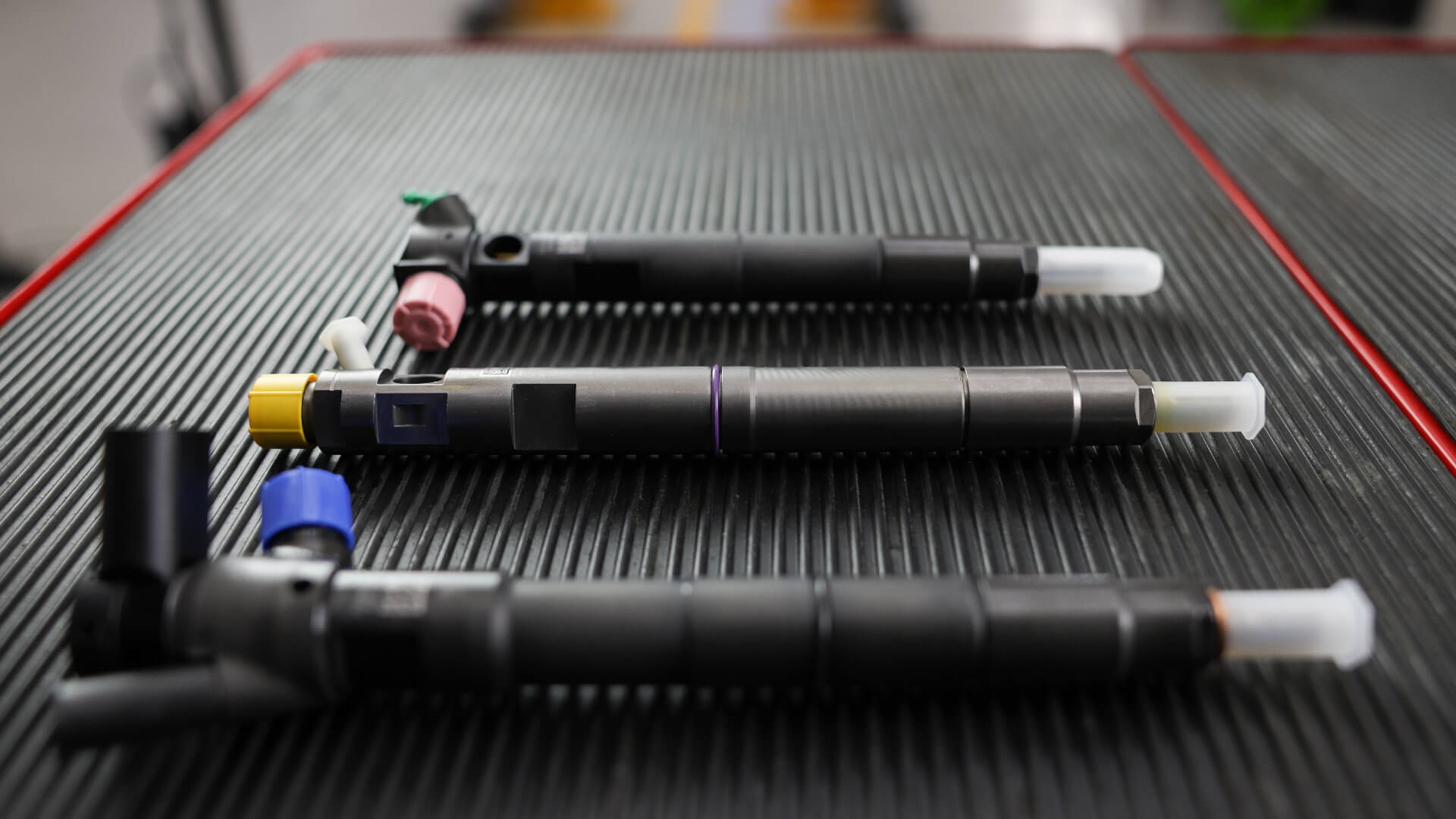
Of course, we’re committed to supporting these technologies in the aftermarket. We offer a range of new OE components, identical to those originally fitted, including our pioneering Electronic Unit Injector, Electronic Unit Pump, Smart injector and Multec® Common Rail.
Commercial vehicle diagnostics and test
Our dedicated diagnostic solution for trucks, buses and trailers, supports the key commercial vehicle manufacturers and systems, including the ability to carry out dosing tests, Adblue freeze monitoring calibration, system drain down and regeneration of the SCR system. We also offer a range of OE-approved test equipment for quick and accurate test and repair of the latest heavy duty applications.
Training from the OE experts
Designed to help you prepare for the very latest heavy duty diesel fuel injection technologies, our extensive training programme covers the repair of key systems, including Electronic Unit Injector and Pump and Smart injectors. Learn more about our training.
.jpg?sfvrsn=950636e0_12 "fis_diesel_087_injectors_group_rgb_300.png (1)")
The Delphi Difference
-
100 years of OE experience, supplier to the world’s top automakers
-
OE heritage and knowledge built into every aftermarket part
-
Comprehensive portfolio for a wide range of vehicles and model years
-
Streamlined SKUs for easy inventory management
-
Support through tools, tips and training

Related product resources and downloads
Resource Highlights
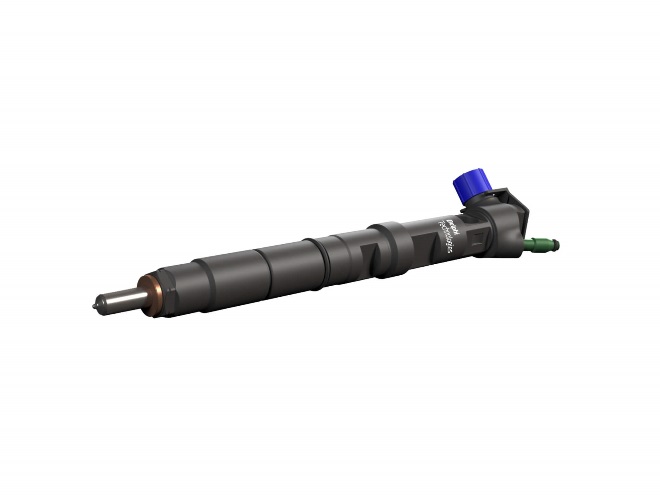
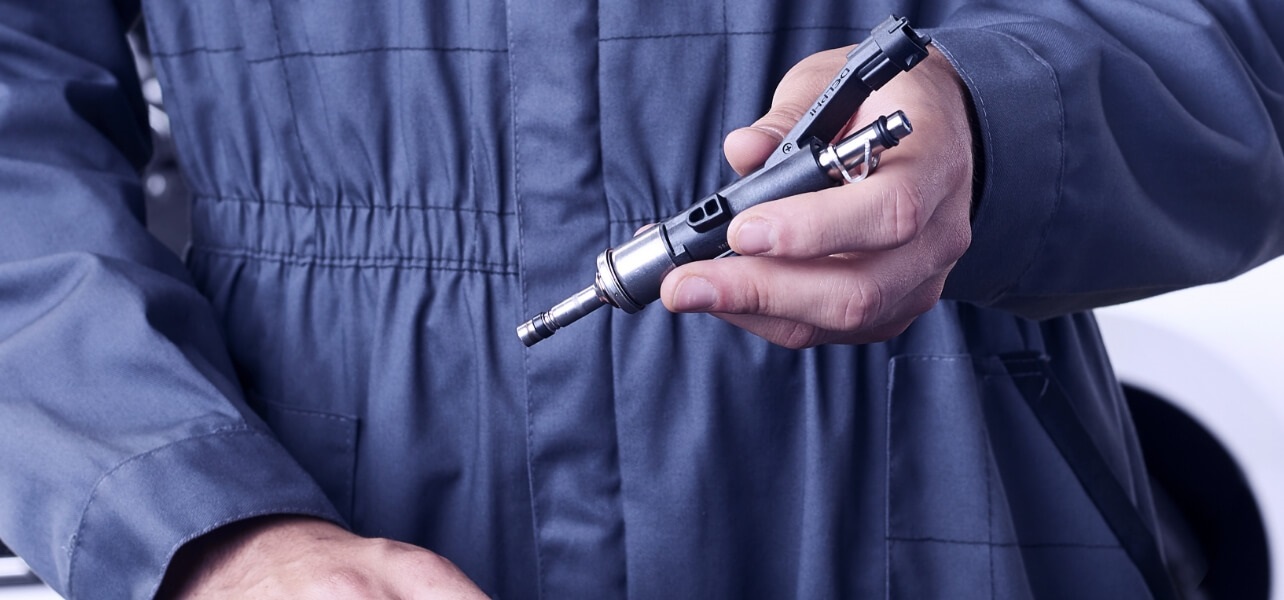
Common rail injection is a fuel delivery system that is used across nearly all modern diesel engines. The injectors spray the exact amount of fuel needed at exactly the right time. They’re an essential component, so when being installed, it needs to be done correctly. This guide will show you how.
Understanding common rail injectors
The injectors themselves are a high performance, high precision piece of kit working at very exact parameters. When being fitted or replaced, it’s very important that they’re programmed to work with the vehicle they’re being installed into, otherwise the whole system will not perform as intended.
What is a common rail injector and how does it work
After fuel is pressurised in the fuel pump, it’s stored in the common rail system which acts as a reservoir feeding each of the injectors. These then spray the fuel into the combustion chambers with incredible accuracy, spraying at around 30,000 psi through clearances as small as 1 micron.
Tools and equipment you’ll need
As well as the replacement injectors, you’ll need a selection of tools:
- Ratchet and socket set
- Screwdrivers
- Pliers
However, if the injector is seized, you may need more equipment – even hydraulic pullers in certain cases.
Step-by-step guide to replacing a common rail injector
We’ll give you a detailed breakdown of the process in the following steps, but if you’d like a visual demonstration, you can easily follow along with our Masters of Motion video how-to guide. Watch it now, here.
Step 1: Remove the old injector
Take off the engine cover to reveal the common rail system. Take out the injector pipe, making sure any exposed parts are capped to prevent contamination. Next, remove the back leakage pipe, followed by the electrical connection. Once that’s done, unfasten the clamp holding injector, then remove it from the seat. Throughout the process, remove and replace any sealing washers as required.
Step 2: Install the new injector
Before fitting, make sure the injector has the correct part number and make a note of the correction code.
Remove the protective cap from the nozzle and then slide the injector into place carefully. Now, you can refasten the clamp. Then it’s time to refit the rest: the electrical connector and back leakage pipe. Once that’s done, you lastly have to re-fit the high-pressure fuel pipe. Ideally, use a new pipe to avoid swarf.
Step 3: Program the injector
This is a very important step, as the replacement is not complete until the common rail injector has been programmed to work with the vehicle. Connect your diagnostics unit to the vehicle, and navigate to injector programming. Choose the cylinder injector that’s been replaced, then input the new injector code into the system.
Step 4: Final checks
The process is now complete. The last thing to do is test whether the replacement was successful and the vehicle is running as it should. Start the engine, check for error codes with the diagnostic tool and ensure it drives smoothly.
FAQs
Are common rail injectors all the same?
Even if they’re the same type and make, every common rail injector should be considered one of a kind. They’re extremely precise instruments, so the tiniest variations will affect their performance.
Why do I need to code an injector into the vehicle’s engine management system?
Each common rail injector is unique with individual manufacturing variations. Programming an injector into the vehicle’s ECU effectively tells the vehicle what these variations are so it can adjust for any differences. This is why coding injectors into the vehicle after fitting them is an essential step in the process.
What are the codes found on common rail injectors?
These are codes that relate to the individual characteristics of each injector.
What are the codes called?
The codes have many names: Trim code, Compensation code, C2I, IMA, IQA and C3I.
Get in touch
Find out where to buy Delphi parts