- Product Information
- Product Resources
- Enquire
- Related Products
Designed to provide safety and comfort while driving, Advanced Driver Assistance Systems (ADAS) are becoming increasingly common in latest generation vehicles. Visit our quick guide to learn more about the main systems available on the market today.
These vehicles can be equipped with over 10 different types of environment monitoring functions, utilizing different detection methods & sensors. These essential functions for both safety & comfort can need calibrating as a result of diagnostics, service, replacements, and repairs.
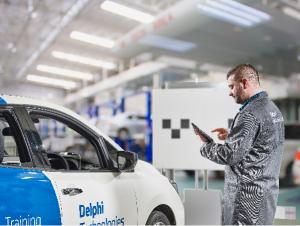
Empower safety with Delphi’ CRC-150 ADAS equipment
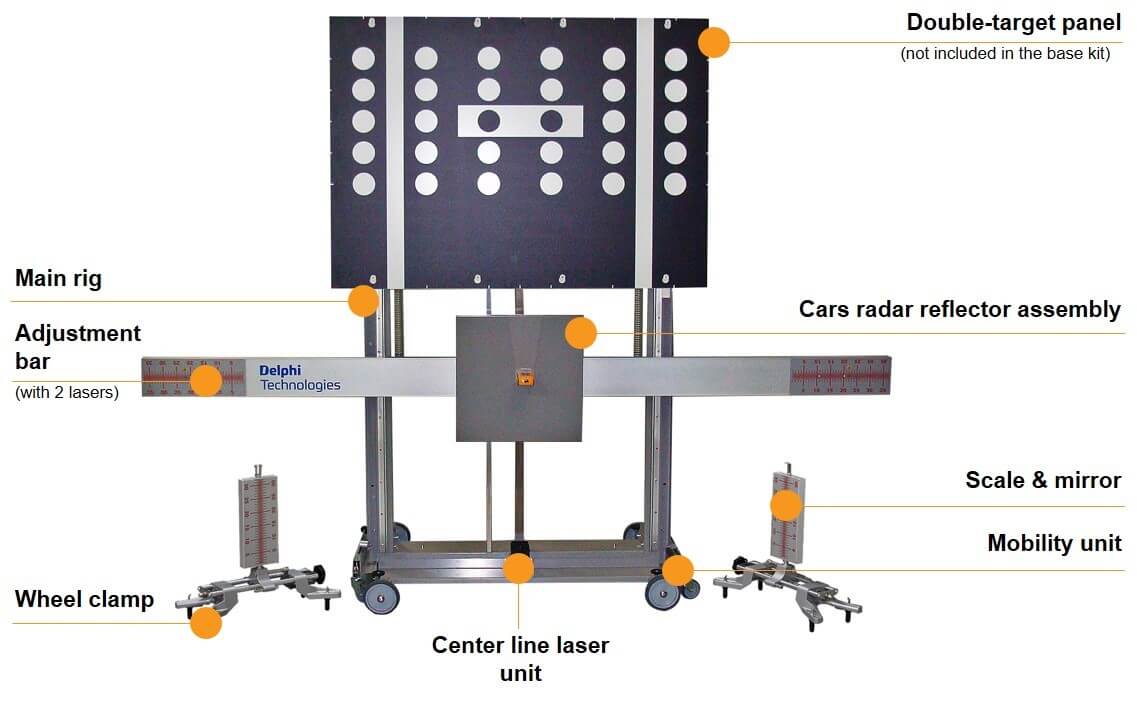
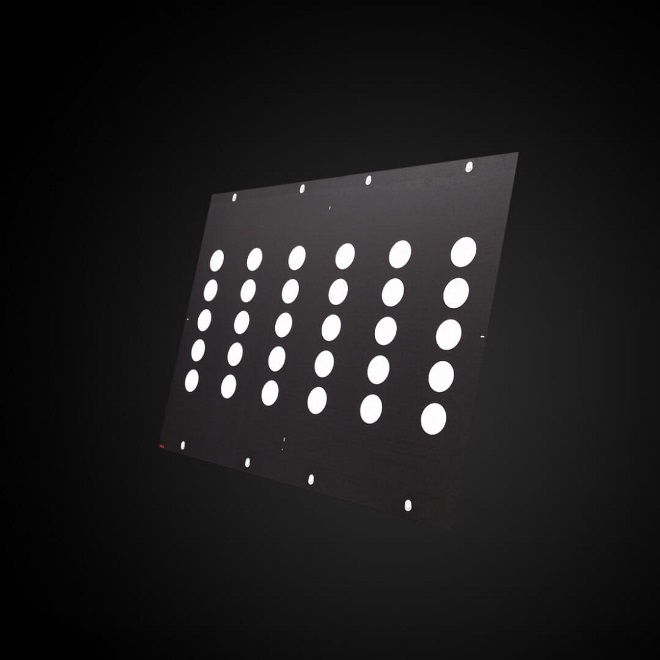
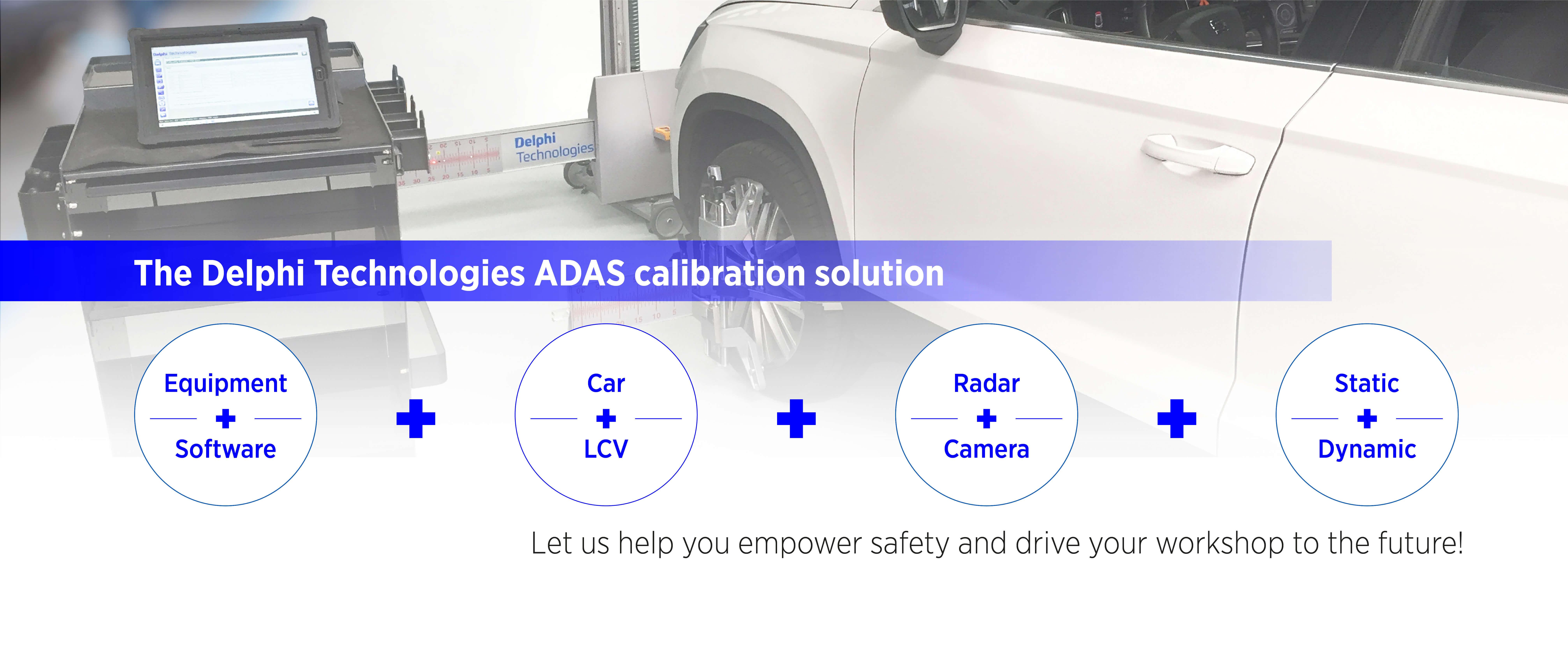
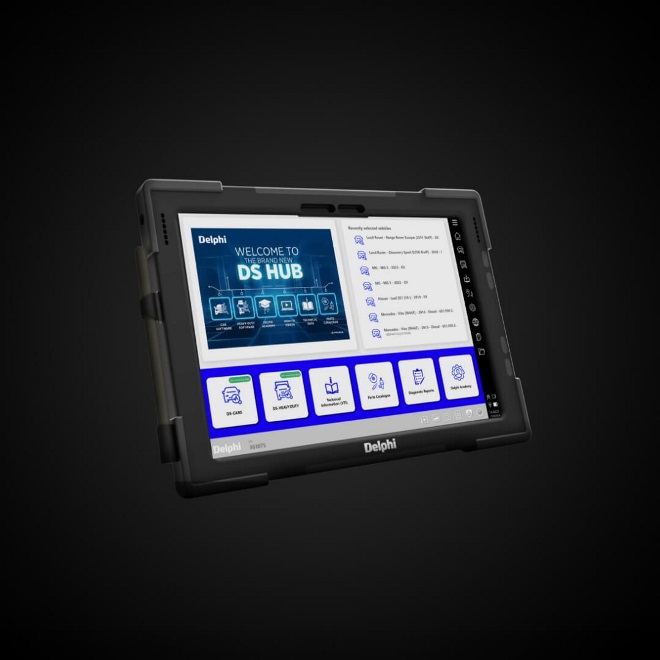
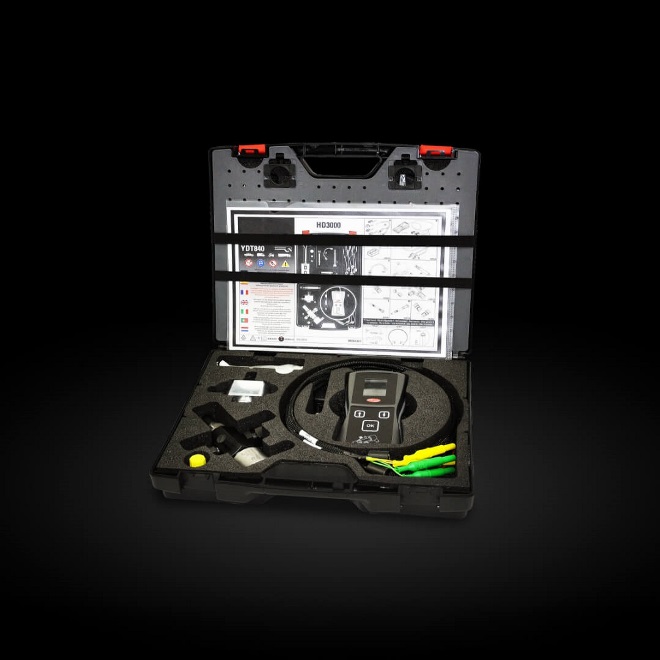
The universal modular equipment developed for the calibration of front sensor Advanced Driver Assistance Systems on multi-brand cars and commercial vehicles, designed to be used with the Delphi DS vehicle diagnostic tool.
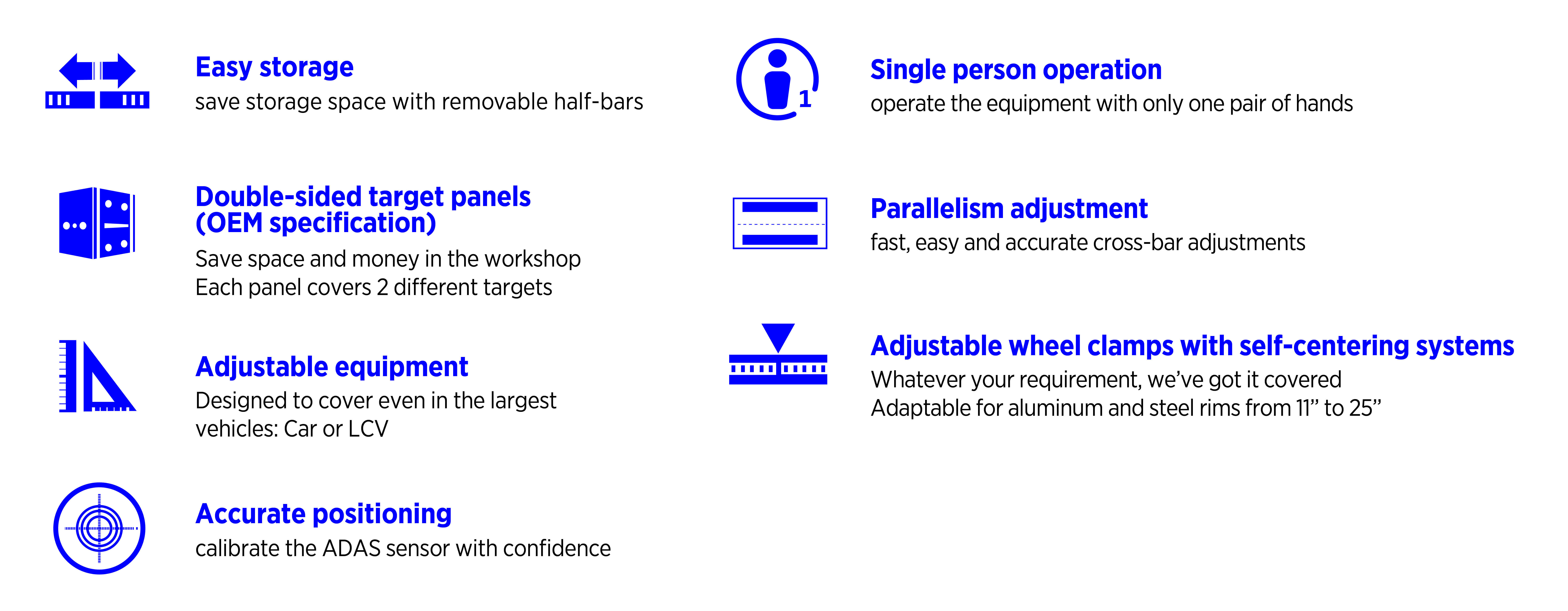
Key features of the Delphi ADAS solution
Delphi’ multi-brand, modular ADAS equipment and DS diagnostic software with integrated OEM procedures delivers garages a cost effective, flexible and accurate route into ADAS servicing. Read on to learn more about the key features of the Delphi ADAS calibration equipment (CRC-150).
Coverage for the Delphi ADAS solution
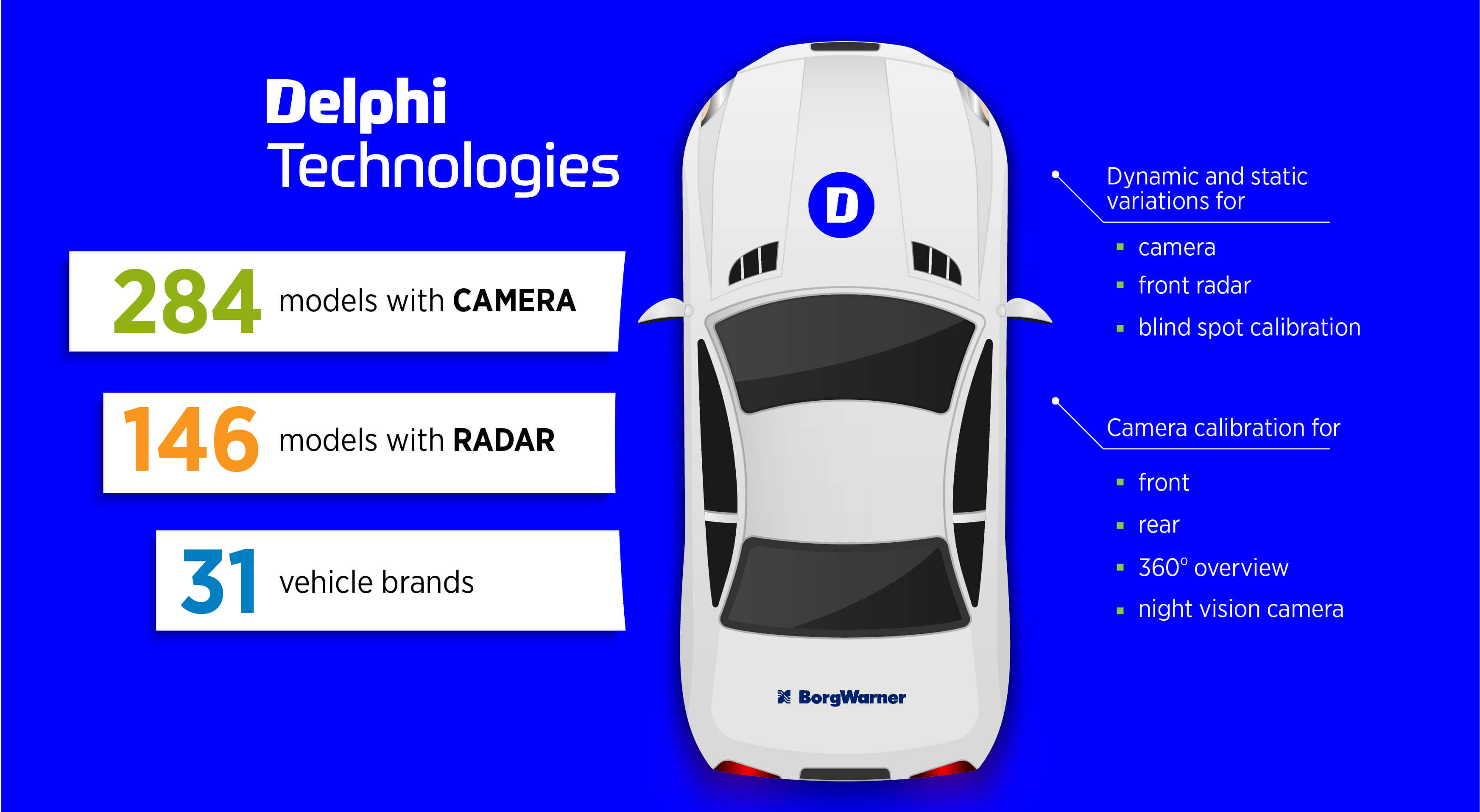
Delphi’ ADAS solution includes dynamic and static variations for front radar and blind spot calibration, as well as camera calibration for front, rear, 360o overview, and night vision camera. Covering 31 vehicle brands, 146+ models with radar, and 284+ models with camera, our continuous improvement program means our coverage will expand with subsequent software developments.
The comprehensive ADAS calibration solution from Delphi
Learn more about ADAS calibration in our brand new how-to video series
ADAS camera calibration
ADAS Type 1
ADAS Type 3
The Delphi Difference
-
100 years of OE experience, supplier to the world’s top automakers
-
OE heritage and knowledge built into every aftermarket part
-
Comprehensive portfolio for a wide range of vehicles and model years
-
Streamlined SKUs for easy inventory management
-
Support through tools, tips and training

Related product resources and downloads
Resource Highlights
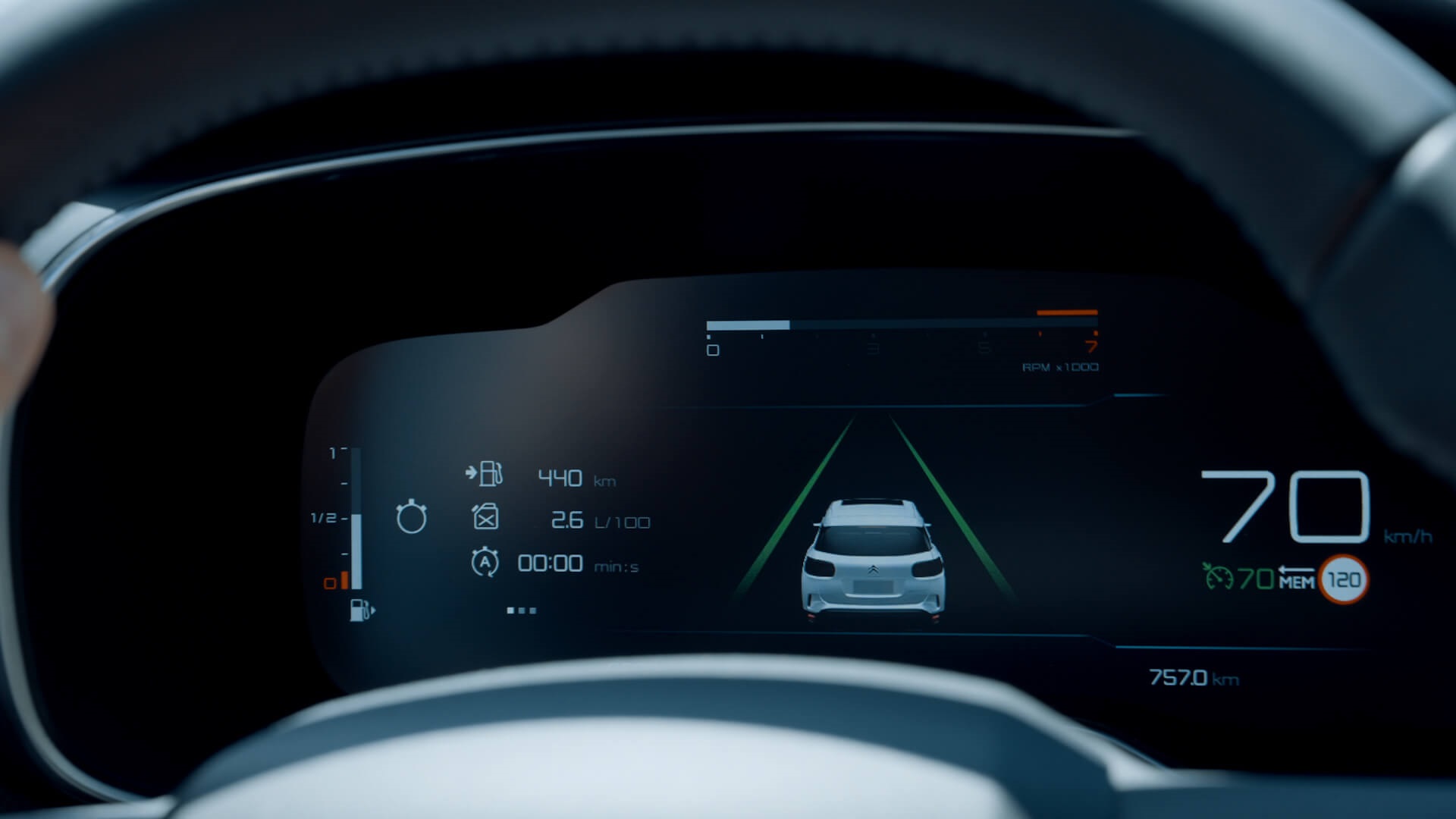
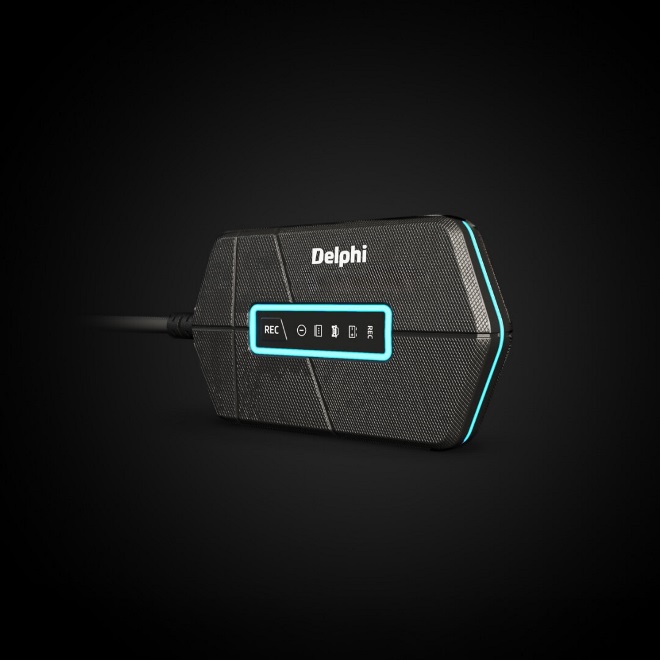
The calibration of a vehicle’s Advanced Driver Assistance Systems (ADAS) can require specialist equipment and will need an expert eye to ensure the process is carried out properly. There are 3 different ways of calibrating, static, dynamic or a combination of both methods. This is dependent on the manufacturer. When performing a dynamic calibration, ADAS sensors collect data whilst the vehicle is moving.
Accurate ADAS Calibrations are essential for vehicle and road safety. Join our Delphi expert to see the process and to pick up some tips along the way:
- What speed is needed for accurate calibration?
- How to correctly calibrate the cameras & radars
- What info is included on the calibration report
What is dynamic calibration?
During dynamic calibration sensors collect data as the vehicle moves, which is used to adjust automated systems like lane departure warning and blind-spot detection, to ensure they are working properly.
What is the difference between dynamic calibration and static calibration?
During dynamic calibration, the vehicle is on the move so that the relevant data from cameras and sensors can be collected under on-road conditions. In static calibration, however, the vehicle is at a standstill.
What speed does the vehicle need to travel for dynamic calibration?
As mentioned in the video, the vehicle should reach 70 km/h (43.5 mph) to carry out most checks. However, calibration at various speeds above and below might be carried out to ensure the ADAS systems are calibrated as well as possible.\
What are the ADAS systems?

Visit our Technician Library for access to Documents and Downloads
Get in touch

Find out where to buy Delphi parts