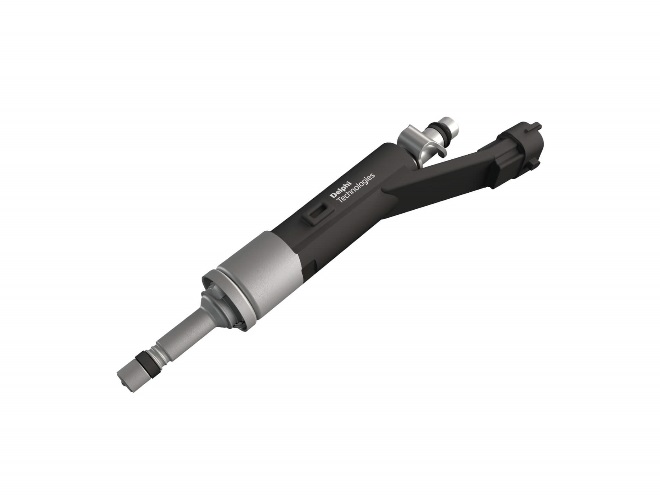
- Product Information
- Product Resources
- Enquire
- Related Products
Raising the bar with OE technology
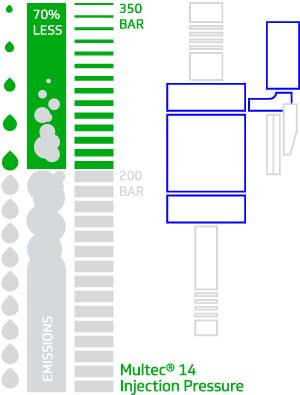
Our industry-first Multec® 14 (M14) 350-bar pressure injection system raises the bar, taking injection pressure from 200 to 350 bar. By injecting smaller droplets into the combustion chamber faster, the latest generation system delivers fewer hydrocarbons and particulate emissions – up to 70 percent - and increased fuel savings. And if that’s not enough, we’re already working on a 500 bar solution.
OE expertise in the aftermarket
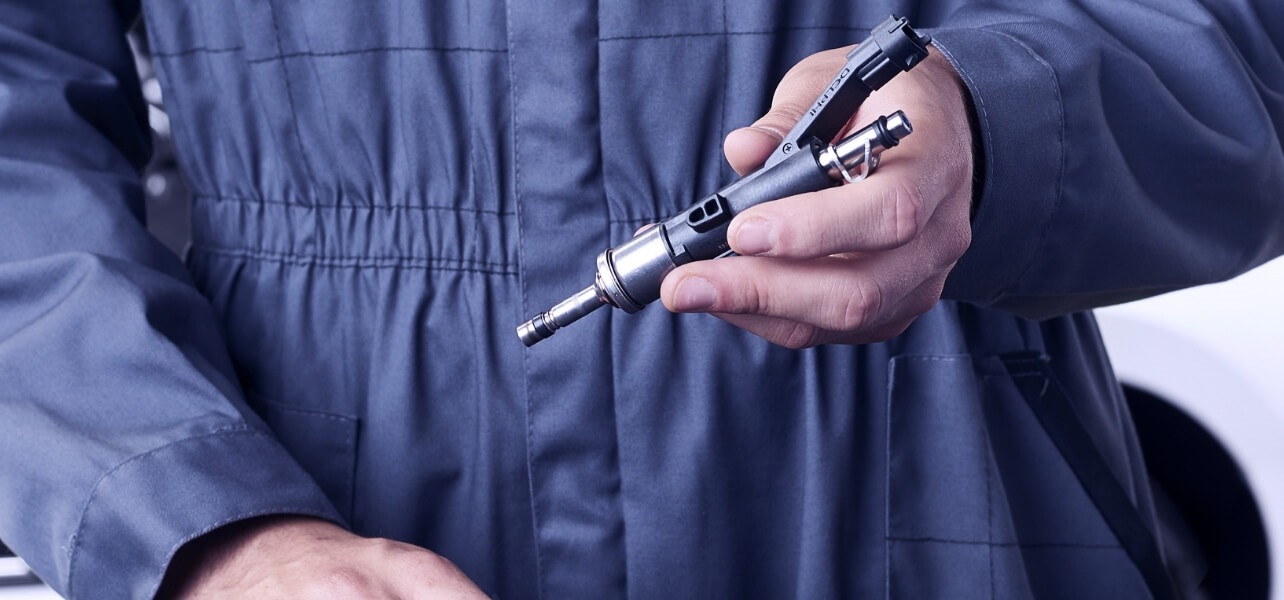
We bring our OE expertise to the aftermarket too. Our GDi service programme features our award winning Multec® GDi multi-hole fuel injectors for optimised fuel delivery and combustion, low noise GDi high pressure fuel pumps and service kits, giving you access to OE parts for a high-quality, competitive service. Understand more about the common service issues with GDi.
More than parts
We also offer a comprehensive electronic and hydraulic diagnostic solution including our proven on-board DS diagnostic tool, a high-pressure diagnostic kit, HD3000, allowing technicians to safely set and electronically control any pressure test point up to 3000 bar and a wide-ranging low-pressure tester, LP35.
Training from the OE experts
Want to learn more about GDi servicing? Our range of one day specialist training courses combines theory with practical, on-vehicle exercises and cover key topics such as component operation, common systems and faults, using high pressure gasoline and more. Giving you the skills and know-how to service the latest GDi equipped vehicles.
The Delphi Difference
-
100 years of OE experience, supplier to the world’s top automakers
-
OE heritage and knowledge built into every aftermarket part
-
Comprehensive portfolio for a wide range of vehicles and model years
-
Streamlined SKUs for easy inventory management
-
Support through tools, tips and training

Related product resources and downloads
Resource Highlights
As a mechanic, it’s essential you know how to keep a vehicle engine as clean as possible, and that you stress the importance of this to your customers.
In this piece, we’ll look at how to keep engines clean, inside and out.
Engine exteriors
It’s safe to clean an engine while it’s either warm or cold, but you may find that if the engine is warm, it makes it a little easier to get rid of dirt and dust. But if you’re cleaning a warm engine, don’t use cold water, as the change in temperature can cause cracks in engine parts.
Here are six important areas of the engine exterior, and some useful pointers on how to clean them.
Cleaning the battery
A huge number of starting and charging problems are due to poor connections. It’s well worth cleaning these terminals to extend the life of battery, alternator and starter. Also, clean the battery tray, which can acquire corrosion over time. Wire-brushing is one of the best ways to do this, and rust resistant enamel can also help to preserve long-term condition.
The cable ends should be soaked in a clean tin can filled with a corrosion neutralizer. Once they have soaked, they should be brushed until completely clean.
Dielectric grease should be applied to protect the newly clean terminals from oxidation.
Cleaning the engine main body
Before cleaning the engine, cover as many of the electrics as possible, including the alternator, distributor, engine computer and relay boxes. This will stop them getting soaked with cleaning fluids.
Use compressed air to blow away loose dirt from the exterior of the engine. Your workshop vacuum cleaner will do the trick if it has a small hose extension.
Spray engine cleaner on your dirty engine, but stay away from exposed electrical components. Let the cleaner do its work for 20-30 minutes before rinsing off.
Brake cleaner can also be used to remove grease from difficult areas, but should then be dried thoroughly so as not to leave any residue.
Once everything’s done, it may help to repeat the cleaning in some areas with soapy water, followed by a rinse with clean water. But make sure this is completely dry before restarting the engine.
Cleaning aluminium parts
Use a small wire brush and calcium, lime and rust (CLR) cleaner to clean exposed raw aluminium parts.
Cleaning plastic parts
Plastic can be scrubbed with a stiff plastic bristle brush, and then apply a sponge with soapy water. They should be rinsed with clean water and dried with paper towels or compressed air.
Check for oil leaks
Once the engine has been cleaned, you may choose to check for oil leaks using UV dye specifically for oil leaks. This can be added directly to your fresh oil, and you’ll be able to see with a blue or UV light after starting the engine where, if at all, leaks are occurring.
Check for coolant leaks
A similar dye is available for coolant leaks. This should be added to the radiator, and again using blue or UV light, check for leaks.
Cleaner emissions
Fuels now come with additives to keep engines clean, but fuel bought on the forecourt cannot be relied on alone to keep engines clean.
In diesel cars, most now have a diesel particulate filter (DPF) fitted, which captures soot particles.
Most diesel cars now have a diesel particulate filter (DPF) fitted which captures particulate matter from the exhaust. It will help to talk to your customer about their driving profile to regularly burn off soot and maintain the health of the DPF. Some diesel vehicles might also use a fuel additive like Ad Blue, (but not in all cases) which you’ll need to check with the manufacturer. Whichever combination of features on the diesel vehicle, a DPF helps to maintain a clean fuel and engine system and meet emissions standards.
Fuel injector performance on petrol engines can also cause a problem if it’s not operating at its peak. Lowered performance here can reduce oil life and promote contamination within the crankcase and air inlet tracts.
Using a good oil flush before you drain the engine of oil is a good way to maintain cleanliness. Principally, this works because the oil flush products suspends a great deal of the engine’s internal contamination within the old oil just before it is drained. A good oil flush will not damage the chemistry within the engine oil, meaning that the new oil will not be affected by it.

Visit our Technician Library for access to Documents and Downloads
Get in touch
Find out where to buy Delphi parts