- Product Information
- Product Resources
- Enquire
- Related Products
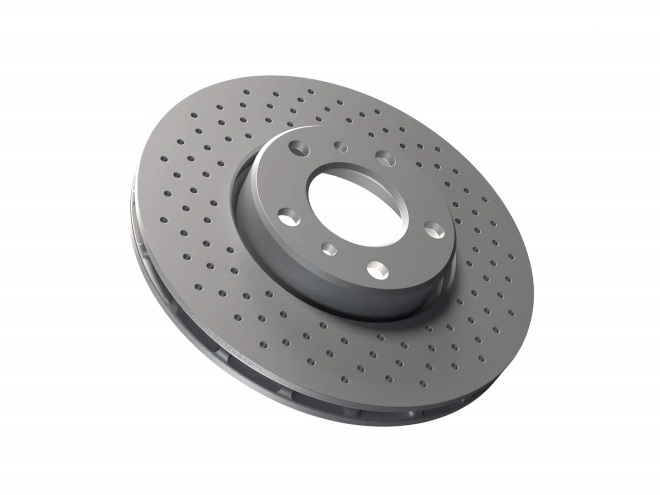
ECE R90 certified brake discs
It should come as no surprise that our brake discs for new vehicles launched post 1 st November 2016 are R90 certified, alongside a range for popular older applications. After all, we’ve been meeting these quality standards for many years. The only difference today: our discs now undergo official ECE R90 testing schedules including performance, dynamic friction comparison, high load integrity and thermal fatigue analysis to certify that they perform to a prescribed tolerance of the OE part.
Learn more about Delphi’s R90 certified brake discs and why it matters.

Fully coated brake discs
Thanks to a special zinc-flake, silver Geomet coating, our coated brake discs offer greater and longer-lasting corrosion protection compared with many oil-dipped or partially painted and coated equivalents, whilst also being more cosmetically appealing. And because they have no oil to clean off, they save valuable labour and service time. All this makes for a better protected disc that’s easier to install, easier to dismount as well as being easy on the eye too.

High-carbon brake discs
The added carbon content in our high-carbon discs helps to both reduce the risk of thermal cracking under high-temperature loads, and allows the discs to operate at a cooler temperature, for a more consistent braking performance. It also increases their resistance to distortion or warping for added durability, while delivering noise and judder free braking.
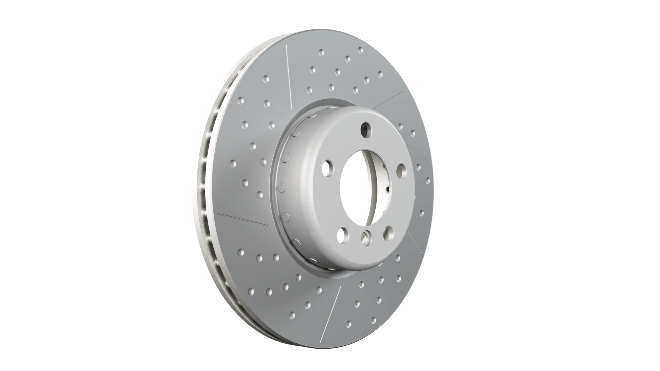
Cross-drilled brake discs
As well as looking cool from behind your wheels, our cross-drilled discs will keep your brakes feeling the same way – cool. The cross-drilled holes dissipate heat, brake dust and gases, helping to keep the pad surface cool and clean and reducing the risk of thermal distortion and warping. These same holes also prevent a film of water forming during wet conditions for improved braked response.

Vented brake discs
Our vented discs feature special internal cooling passages to maximise airflow. By continually moving air across the disc’s surface or through the disc itself, they allow more heat to be dissipated, improving both cooling capacity and resistance to cracking from thermal shock.
Brake discs with bearings
To avoid damage to the bearing during removal, and ensure the correct pressing in into the new, we offer a range of discs with these safety critical components already pre-mounted. They also include both toothed and magnetic ABS sensor rings, as per the OE, and the relevant fixing accessories. All for quick and accurate installation.
One-piece cast iron brake discs
Our one-piece cast iron discs offer an aftermarket alternative to BMW’s patented two-piece bi-metallic composite disc. Engineered from a single piece of cast iron, they deliver the same standards of consistency, longevity and braking performance as the two-piece disc, but at a fraction of the price. And to top it off, they come with fixing screws for quicker and easier fitting.
The Delphi Difference
-
100 years of OE experience, supplier to the world’s top automakers
-
OE heritage and knowledge built into every aftermarket part
-
Comprehensive portfolio for a wide range of vehicles and model years
-
Streamlined SKUs for easy inventory management
-
Support through tools, tips and training

Related product resources and downloads
Resource Highlights
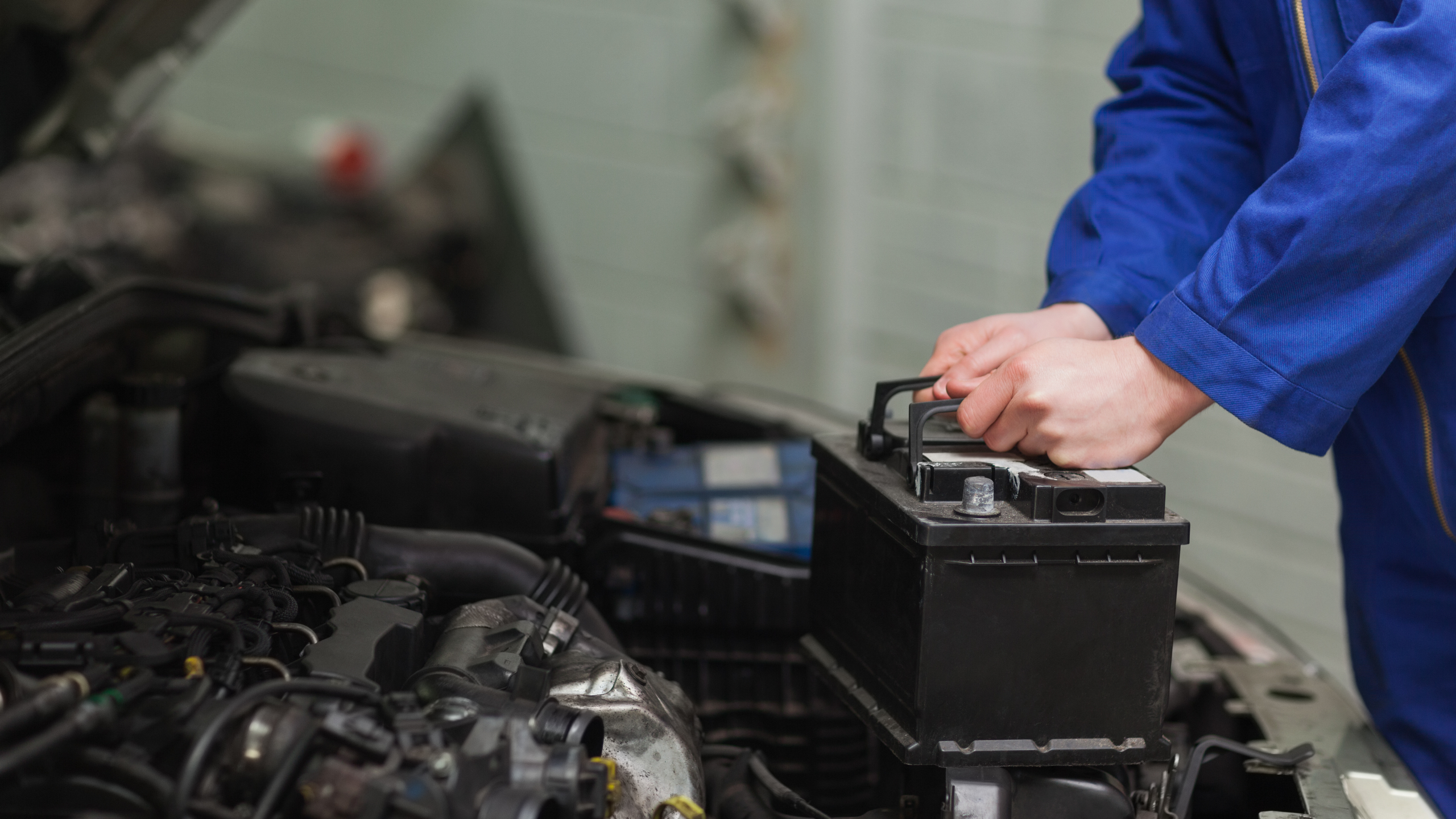
In this article you will find out about how to prevent a brake judder:
Brake judder is not necessarily the most technically challenging issue, but it can be a source of headaches for technicians, especially since fitment issues are often at the root cause of it. Knowing how to diagnose, solve, and best of all prevent brake judder, is therefore critical when it comes to effective brake servicing and avoiding future customer comebacks.
What is brake judder?
Brake judder is typically felt as either a sideways shake in the steering wheel, a pulsation in the pedals or even a vibration through the floor, when braking. It can vary from a hardly noticeable vibration to a full on judder – either way it will gradually worsen over time, potentially causing irreparable damage to the brake discs.
What causes brake judder?
The main culprit is disc thickness variation (DTV). For effective braking, the disc should be the same thickness throughout – in other words it’s two friction surfaces, the outside and inside faces, should be parallel with one another. DTV is the term used to denote a variation in thickness, meaning that these faces are no longer parallel.
When applying the brakes on a vehicle with DTV, the pads will be forced into the thinner areas of the disc, only to be kicked back when reaching the thicker areas. This causes the pad to effectively bounce, creating pulses that are transmitted through the caliper pistons, via the brake fluid to the brake pedal. Or to the steering wheel. This is what’s known as judder.
What causes disc thickness variation (DTV)?
DTV can be caused by a number of factors including improper disc installation, driver behaviour and poor manufacturing processes:
Dirt and corrosion: One of the major causes of DTV is the build-up of debris between the hub and disc mounting surface. The axiel runout caused by even the smallest particle of dirt or rust, is magnified as you move towards the outside of the disc. To put this into context:- a single spec of rust measuring only 0.05mm in diameter, the size of a human hair, can cause axial runout of over 0.1mm when measured at the centre of the braking surface. With excessive runout the disc wobbles as it rotates, causing uneven disc wear, and in turn thickness variation.
Improper bedding-in:
Anytime you install new brake pads, it’s critical to bed or break them in by avoiding hard and excessive braking during the first 100 miles or so. This will help to transfer an even layer of friction material from the pad to the disc. Conversely not doing this can cause uneven pads deposits on the discs face, leading to uneven heat build-up. The high-spots can become very hot compared to the rest of the disc. If the temperature at these high spots exceeds 650°C, the cast iron changes structurally and transforms into a hard material called cementite, altering the discs make-up and causing the disc to wear unevenly.
Overheating of brake discs:
A brake disc typically undergoes about 100,000 heating and cooling cycles during its lifetime. This in itself is not an issue – discs are designed to cool rapidly between applications. However when brakes are used repeatedly, and/or in quick succession, for example on long downhill descents, the discs don’t get enough time to dissipate the heat and can overheat. Aside from initiating possible brake fade, disc temperatures may exceed 650°C and change the structure of the disc, resulting in DTV.
Seized calipers:
Whilst less common, a seized caliper can also cause DTV. Rusty or damaged pistons or slide pins will prevent the caliper housing from moving, holding the pads against the disc even when the brakes aren’t applied. This leads to an uneven build-up of pad material and hot spots on the disc.
Other factors causing brake judder
If there’s no evidence of thickness variation, it’s important to investigate other areas. The wheel bearings for example could be badly worn and have excessive play, resulting in erratic disc wobble. Another potential cause, especially with thin-hat discs, is poor wheel installation. Excessive torque on the wheel fasteners could lead to a warped disc hat. The same goes for tightening torque on the discs positioning screws. This could distort the hub contact surface. All of these issues could result in judder.
Best practice advice to prevent brake judder
By following a few simple guidelines, brake judder can be virtually eliminated:
- Before refitting a disc, first check the discs thickness. Using a brake disc micrometre measure the discs thickness, 2.5mm from the outer edge, at eight equidistant points around its perimeter never base the measurements on any one single spot. Compare the results with the specification. If it’s outside the manufacturer’s tolerances then it cannot be serviced and must be replaced. In general, the maximum allowable thickness variation is around 0.015mm.
- Ensure that both the hub and disc mounting faces are scrupulously clean and free from rust or any other form of dirt or grease. Use a cloth and appropriate solvent to clean the disc, and a wire brush for the hub.
- Once fitted, use a dial indicator to check the discs lateral runout. The dial test indicator must be securely mounted to a stationary, yet adjustable fixture, for example, a control arm. Position the dial indicator’s plunge tip about 2.5mm inside the rotor edge, set to zero and rotate manually through 360°, recording maximum and minimum runout. Whilst tolerances will vary from make to model, less than 0.05 to 0.10mm is a good target for maximum runout limit.
- If runout is out of tolerance recheck the disc fitment onto the hub, if this is correct remove the disc and carry out a run out check with the DTI on the wheel bearing/hub unit.
- Ensure that the caliper carrier is clean and that the slider pins are lubricated, free of rust and moving freely.
- Torque all wheel fasteners in the correct pattern and at the correct torque settings.
- Always bed in new brakes according to the manufacturer’s instructions.
- Prevent overheating the discs by inappropriate use of the brakes. Avoid both continuous, consecutive heavy braking from high speed and holding the car back with the brakes on long steep descents - use a lower gear to make use of engine braking instead.

Visit our Technician Library for access to Documents and Downloads
Get in touch
Find out where to buy Delphi parts