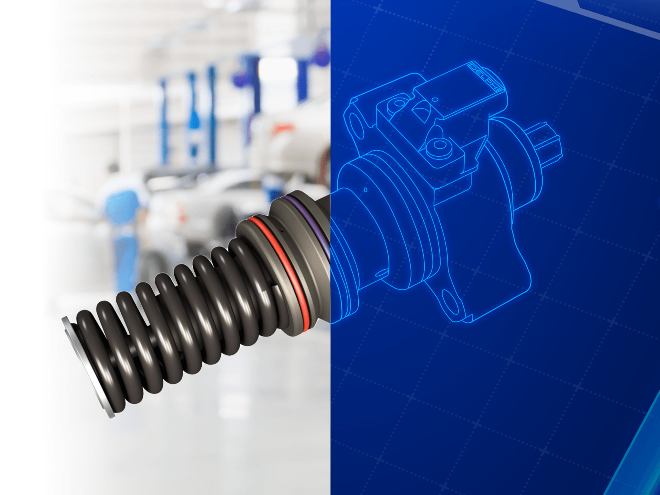
- Product Information
- Product Resources
- Enquire
- Related Products
Rich OE legacy
Our heritage dates back to the legendary CAV brand, and the introduction of in-line and the iconic DPA pump – the best-selling rotary pump worldwide. Both were revolutionary for their time, setting new standards for reliability and power, and we’ve continued to push the boundaries ever since.
Three choices for fleets
By providing three choices – new, reman and repair – we can provide fleet managers with convenient service and maintenance at a very competitive cost.
Latest generation OE technology
Our latest generation F3 system takes engines beyond the 2021 global emissions and fuel economy regulations and through the next decade. Based on our proven Euro VI Common Rail technology and capable of 3,000 bar injection pressure, it delivers a substantial improvement in emissions, fuel economy and refinement for the lifetime of the engine.
OE-approved repair
In addition to new and remanufactured units, we also offer authorised repair through our global network of Delphi Diesel Centres. Replacing all wearable and performance critical parts, with like-for-like OE, and using OE-approved test plans and equipment, it offers a quality but economical solution.
Find your local diesel specialist here.
Reman
For an equally fast, yet more cost-effective turnaround we offer a range of remanufactured parts. Available off-the-shelf, typically within one to two years of vehicle launch, they are built using OE parts, equipment and processes, and are calibrated to exacting OE specifications.
OE expertise in the aftermarket
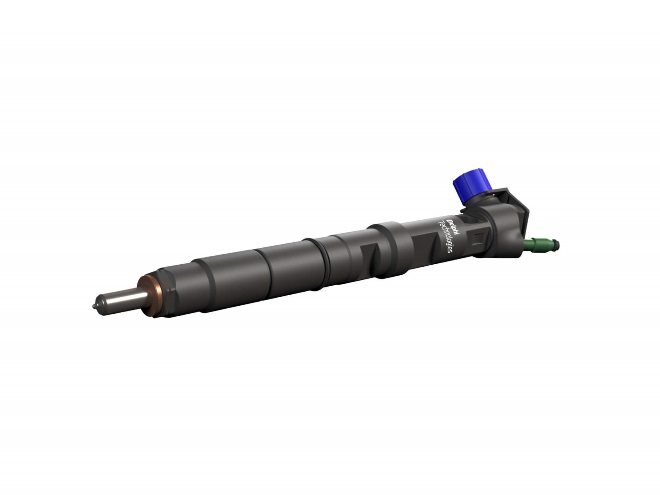
Of course, we’re committed to supporting these technologies in the aftermarket. We offer a range of new OE components, identical to those originally fitted, including our pioneering Electronic Unit Injector, Electronic Unit Pump, Smart injector and Multec® Common Rail.
Commercial vehicle diagnostics and test
Our dedicated diagnostic solution for trucks, buses and trailers, supports the key commercial vehicle manufacturers and systems, including the ability to carry out dosing tests, Adblue freeze monitoring calibration, system drain down and regeneration of the SCR system. We also offer a range of OE-approved test equipment for quick and accurate test and repair of the latest heavy duty applications.
Training from the OE experts
Designed to help you prepare for the very latest heavy duty diesel fuel injection technologies, our extensive training programme covers the repair of key systems, including Electronic Unit Injector and Pump and Smart injectors. Learn more about our training.
.jpg?sfvrsn=950636e0_12 "fis_diesel_087_injectors_group_rgb_300.png (1)")
The Delphi Difference
-
100 years of OE experience, supplier to the world’s top automakers
-
OE heritage and knowledge built into every aftermarket part
-
Comprehensive portfolio for a wide range of vehicles and model years
-
Streamlined SKUs for easy inventory management
-
Support through tools, tips and training

Related product resources and downloads
Resource Highlights
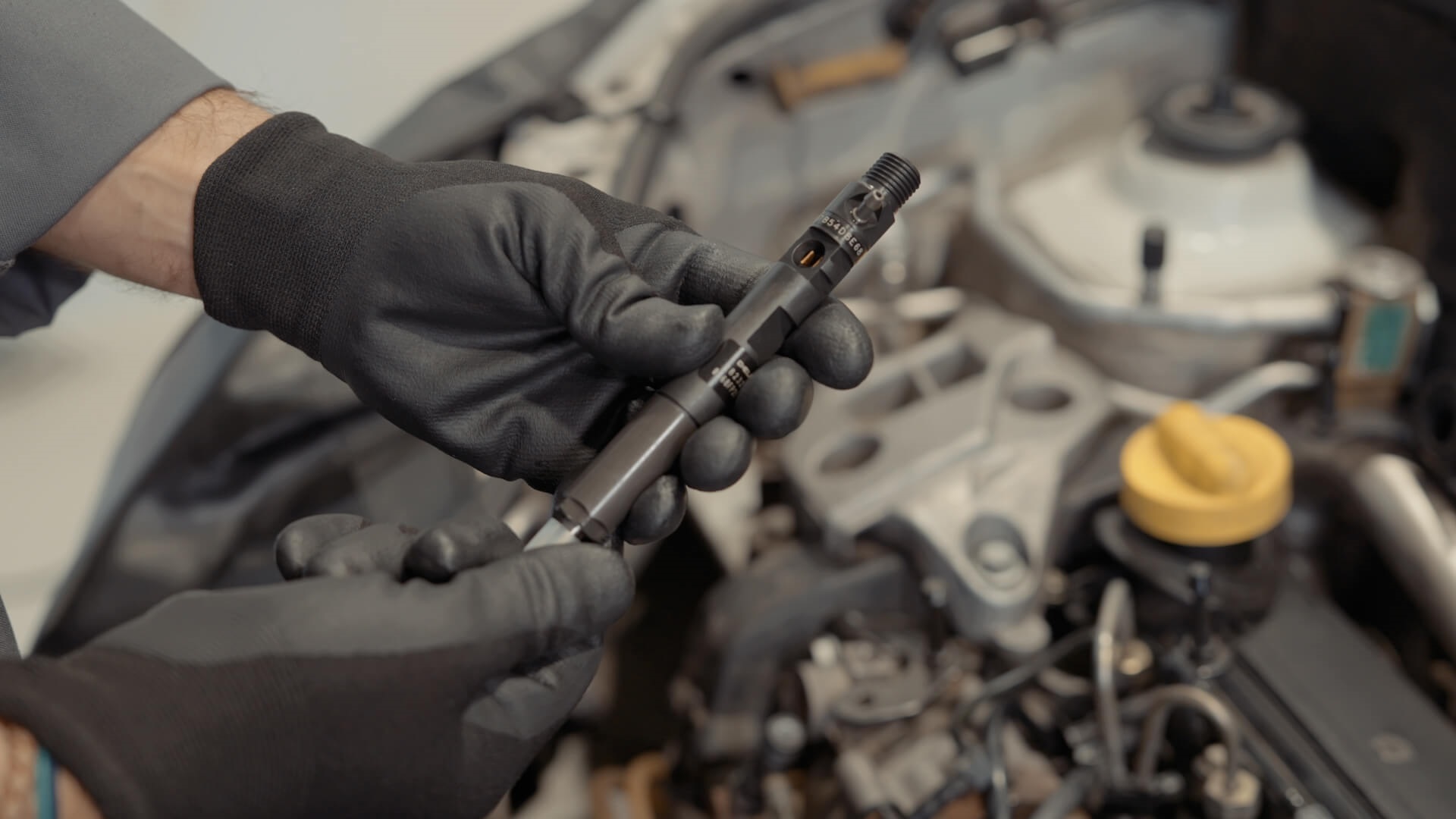
A modern fuel injection system is extremely accurate, efficient and controllable – but because it’s a precision piece of kit, it can go wrong from time to time. Find out how you can test for potential faults with these tips.
What is the fuel injection system?
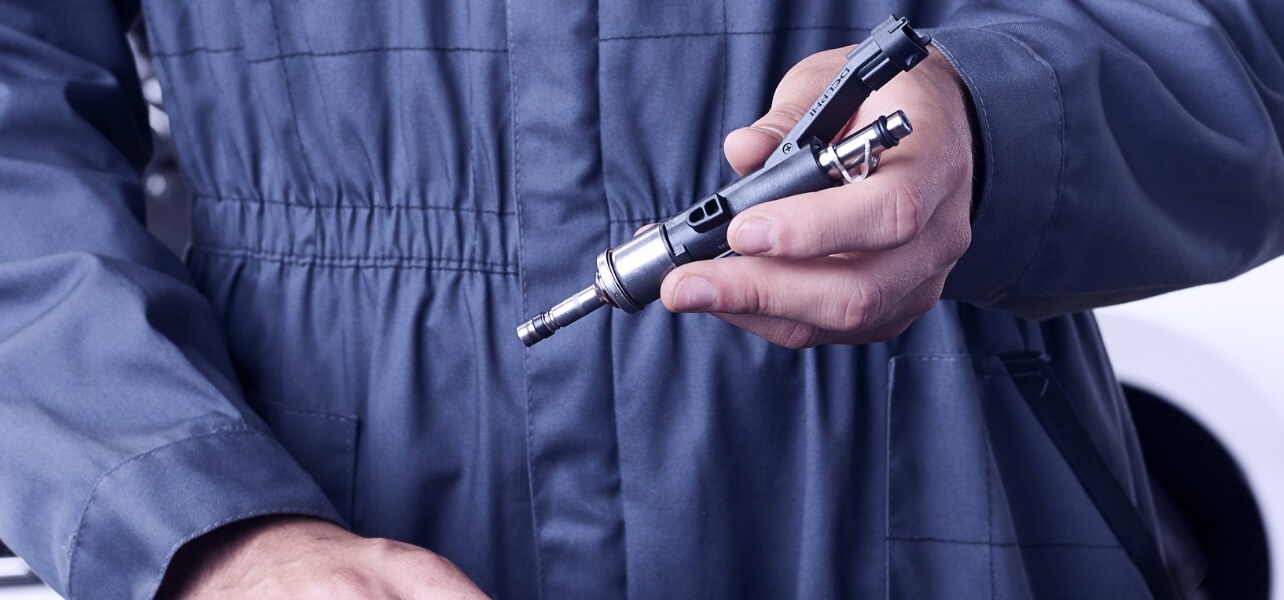
A vehicle’s fuel injection system supplies – or more accurately, sprays – highly pressurised fuel into the vehicle’s combustion chambers. For optimum performance and to run correctly, the engine needs the right ratio of fuel to air mix, which can vary depending on its current demands. If this mix is not correct, or not being supplied properly, the engine simply won’t work how it should, if at all.
Types of fuel injection systems
Fuel injection systems are generally classified into two categories:
- Indirect injection – This is where all cylinders have their own fuel injectors, and the fuel is injected into the inlet manifold. Sequential injection offers an improvement in fuel efficiency and is a much more emission-friendly system. This is where each injector is controlled separately, so each only sprays fuel when the intake valve opens.
- Direct Injection – Originating in diesel engines, but now the main method of delivering petrol. The fuel is delivered directly to the cylinders, meaning greater control and precision - reducing both consumption and emissions.
Steps for testing the fuel injection system
There are a number of steps you can take to test a fuel injector that you suspect might have acquired a fault or as part of general maintenance.
Initial inspection
Start with the basics and conduct a visual inspection of the engine. What you’re looking for is any obvious signs that something isn’t right – is there a fuel spillage that would indicate a leak? Is something disconnected? Is there substantial wear and tear?
It’s a good idea to check components too for any bent or kinked hoses and pipes, damaged electrical connectors, or a dented fuel tank which may be preventing the fuel pump module from operating properly.
Fuel pressure test
To check that the correct amount of fuel is being delivered, run a fuel pressure test. This is a fairly straightforward procedure. Install a fuel pressure gauge, run the pump and note the pressure reading. Then, compare it to the manufacturer specification. Alternatively, you can use Delphi’s Sealed Rail Diagnostic Kit that allows you to check the pressure being generated by a high pressure pump and identify individual injectors that fail, meaning only faulty components will be replaced.
Electrical tests
Sometimes an electrical fault can cause no-starts or misfires. One way to test is with a multimeter tool while the vehicle is off. Take a resistance reading of the electrical connector and compare that with the vehicle’s technical data. If the readings aren’t in the approved range, there is an electrical fault with the injector and it would need to be replaced.
However, the easiest and quickest way to carry out electrical tests is with Delphi’s Electronic Injector Test Kit. With just one tool you can measure and compare injector values and identify if any are not within a comparable performance range, or display electronic failures. Take a look at our product page to find out more.
For a comprehensive result, injectors can be evaluated on an Excalibur GDi Master test bench, providing the following features:
- All-Makes Coil & Piezo injector testing capability
- Comprehensive test plan with simple pass/fail criteria
- Innovative spray pattern evaluation
- OE level high pressure and high flow rate test capability
- Ideal for injector diagnostics & refurbishment
- Integrated back-flush function
Advanced fuel injection diagnostics
Delphi’s DS180 is an accurate and powerful tool for diagnosing issues. A vehicle’s on-board diagnostic (OBD) systems will store information in the Engine Control Unit (ECU) about the status of components, including fuel injectors. Once connected, the ECU can communicate with the DS180 diagnostic tool so that it can access fault codes, data feeds and diagnostic tests.
If there are any issues, the scanner should be reading fault codes such as:
- P0200 – a fault with multiple injectors
- Codes within the P0201 to P0208 range would indicate a problem with specific injectors
- Codes within the P0300 to P0308 range are generally related to fuel faults
Tips on troubleshooting and identifying common issues
- There are some clear indications that a vehicle has a fault with its fuel injection system. These include:
- Engine misfires
- Low power/poor acceleration
- Reduced fuel efficiency
- Trouble starting
- Unusual engine noises
- ECU warning light
Symptoms such as these may be caused by a variety of issues, so its best practice to check all the usual suspects when diagnosing the problem. These can include:
Dirty fuel injectors – Because deposits of fuel can collect over time, injectors can eventually get clogged and restrict fuel supply. If you’d like to know how to remedy a clog, check out our guide here.
Leaks – Wear and tear can lead to damage, causing a fuel injector to leak.
Fuel injector failure – This could be caused by electrical issues or physical damage. In this case, the injector would need replacing.
Incorrect fuel injector timing – An engine stalling or not starting could point to this. The fault could be with the fuel injector, but it also could be elsewhere on the vehicle.
Get in touch
Find out where to buy Delphi parts